Before martial arts fame, Bruce Lee was the 1958 Hong Kong cha-cha champion
Before he was breaking boards and international box office records, Bruce Lee was breaking into a very different scene: the polished world of ballroom dance. Yes, that Bruce Lee. The same man who turned martial arts into kinetic poetry and embodied raw kinetic fury on film was also—surprisingly, or maybe not—a graceful, sharp-dressed cha-cha king in 1950s Hong Kong.
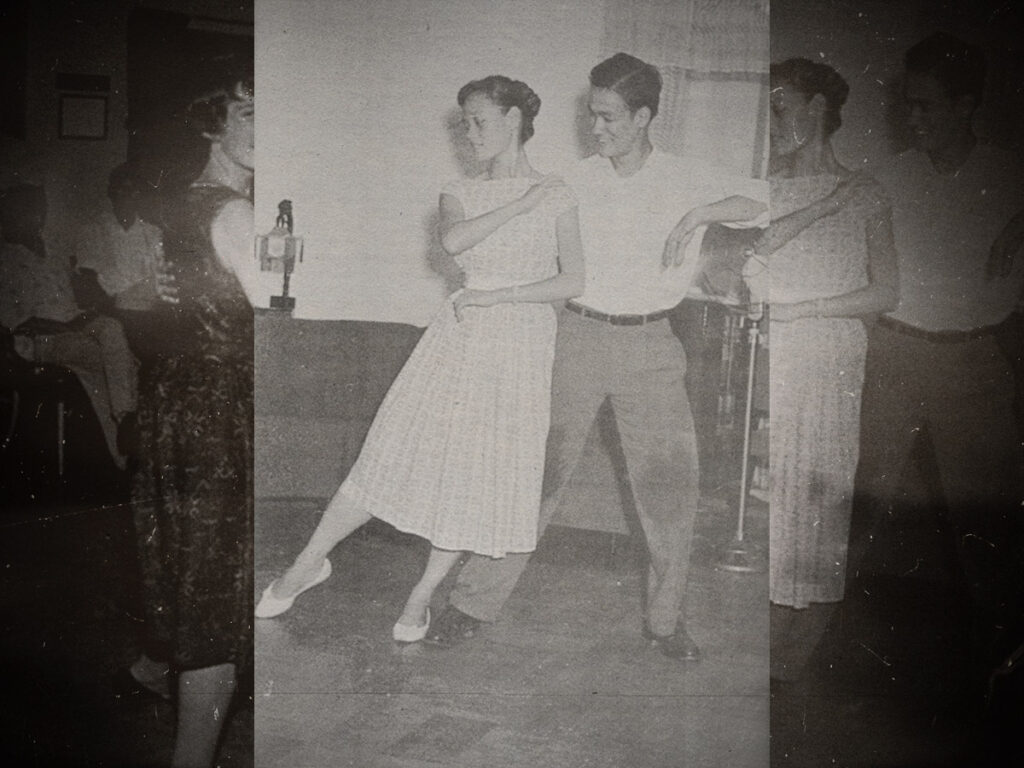
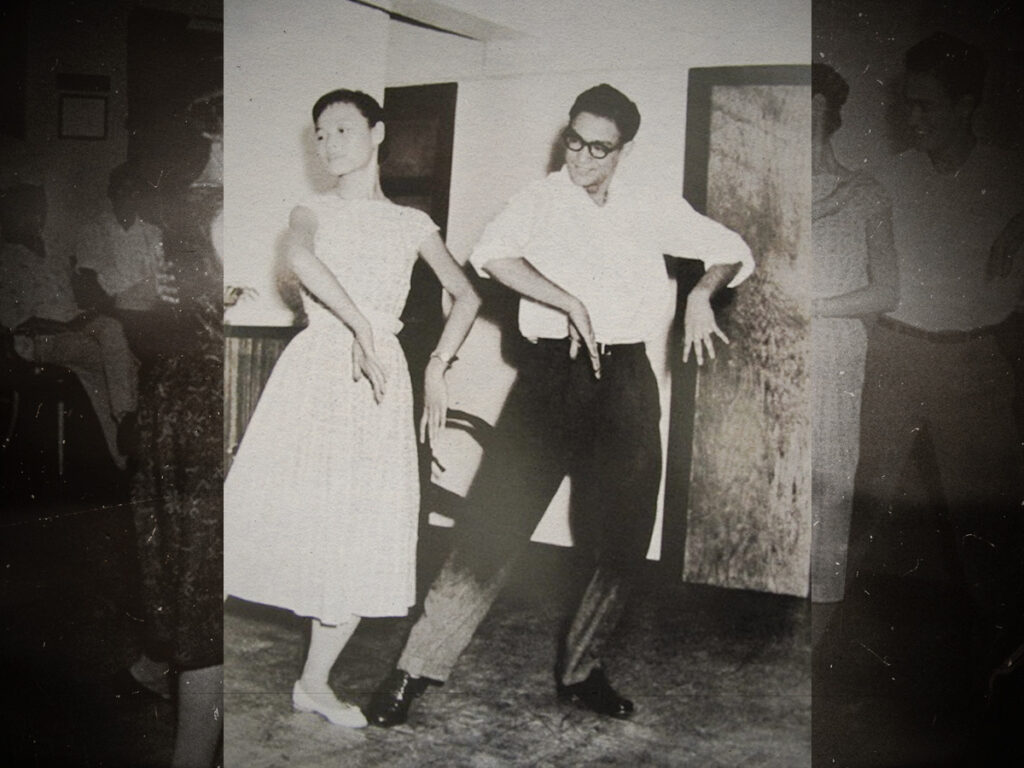
In 1958, a teenage Lee entered and won the Hong Kong Crown Colony Cha-Cha Championship. It wasn’t a fluke win. Lee had reportedly memorised over 100 different dance steps, practising them compulsively. That same obsessive energy that would later hone his fighting style into the blistering philosophy of Jeet Kune Do was already at work in his feet and hips. You can see it in the images attached to this article: Lee gliding across the floor, totally focused, completely alive. In one frame, he’s adjusting his posture mid-step, intense but loose, with a hint of mischief in his glasses. In another, he’s caught mid-twirl with a partner, elegance dialled to 11.
Lee’s cha-cha years weren’t just a youthful phase. Dancing gave him rhythm, flow, and balance—key elements in his martial arts later on. Think of his footwork in Enter the Dragon or the way he could shift tempo and direction mid-fight. There’s a dancer’s core underneath all that fury. You can draw a line from cha-cha to flying kick, and it makes more sense than it should.
“He could pick up dance steps after being shown them only once, so he had an instant understanding of any martial art he encountered — whether Chinese, Japanese, Korean, or Filipino — or Western techniques of fencing or boxing”.
Bruce Thomas, Bruce Lee: Beyond the Limits.
Hong Kong in the 1950s was a city in flux: post-war, colonial, East and West colliding in fashion, music, cinema, and yes, dance. The cha-cha was imported from Cuba, filtered through Hollywood, and turned into a local craze. Teenagers in pressed trousers and white socks showed up at civic centres and social halls to impress each other under the dim glow of tube lighting. That’s the world Lee moved in, and dominated. He wasn’t yet the Dragon, but he was already training – subconsciously, maybe – for something bigger.
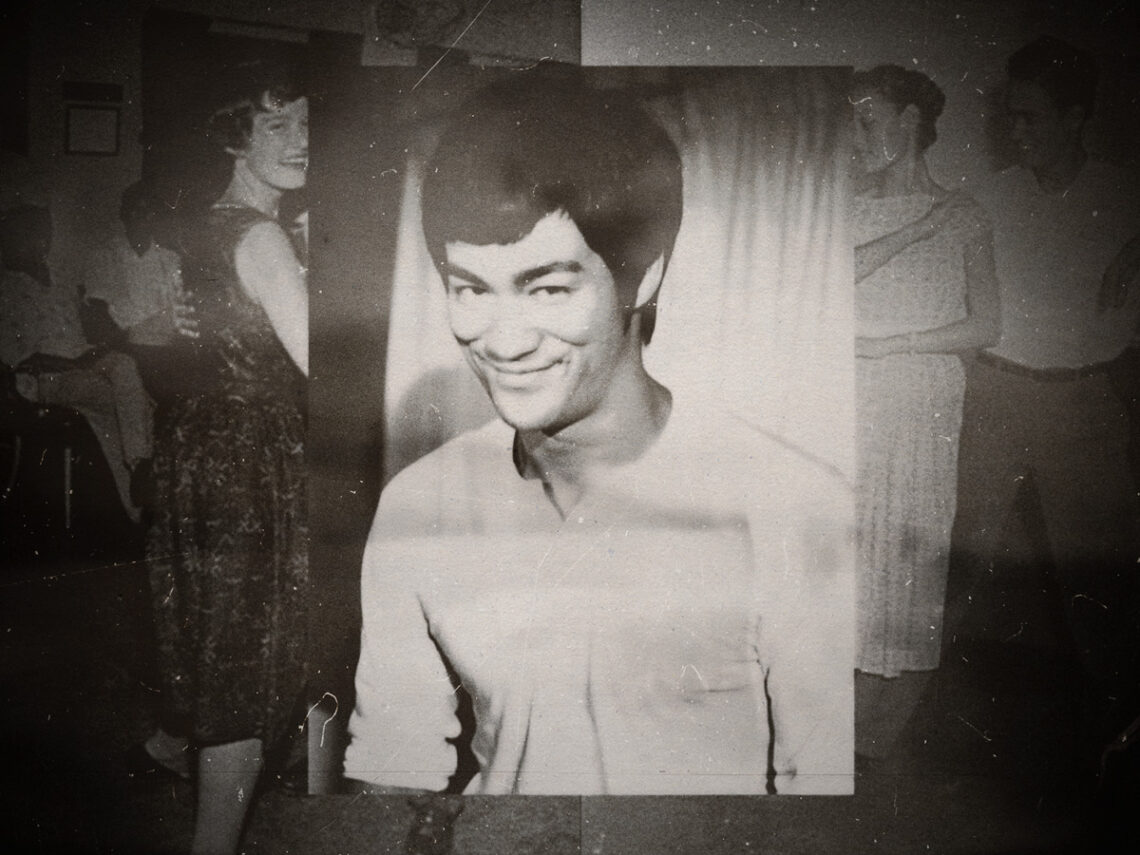
One particularly charming image from this archive shows Bruce paired with a woman in a full-skirted dress, both mid-pose, hands held just so, the sort of composition you’d expect from an MGM musical if it were dropped into Kowloon. There’s also a shot of Bruce smiling widely with another partner as onlookers sit in plastic chairs behind them, bemused or envious or both. It’s an uncanny time capsule, equal parts innocence and intensity.
It’s easy to mythologise Bruce Lee as some preternatural warrior monk who floated into pop culture fully formed, but that robs him of the very thing that makes his story interesting: he was a nerd. A cool nerd, yes, but a nerd who practised moves in the mirror and studied body mechanics like a mad scientist. He learned the cha-cha with the same obsession he later brought to nunchucks and philosophy books.
So no, Bruce Lee didn’t just punch and kick his way to icon status. He danced there first.