


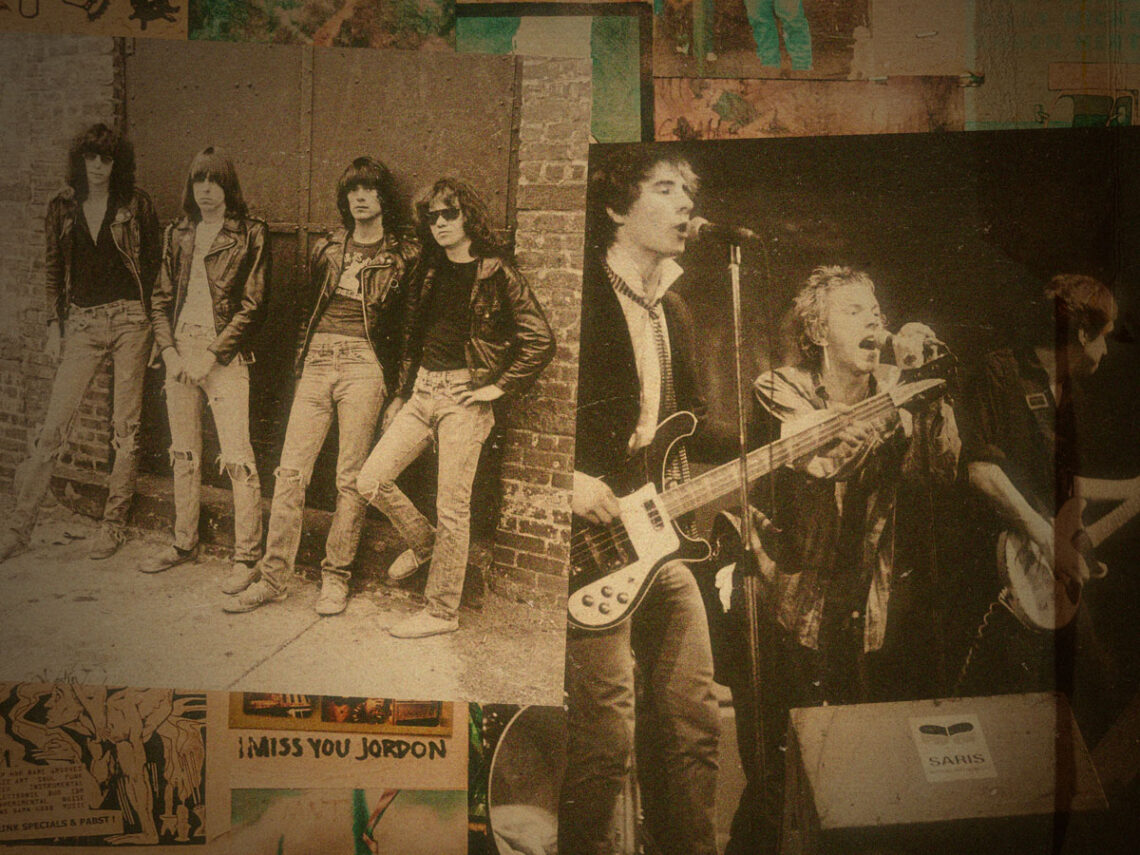
“These guys ripped us off”: How the Sex Pistols killed off what should have been the Ramones’ breakthrough album
On the very first day of recording sessions for their third album, Rocket to Russia, August 21st, 1977, to be exact, Ramones guitarist Johnny Ramone showed up at the former Episcopalian Church that housed Media Sound Studios in Midtown Manhattan, bringing with him a copy of the Sex Pistols’ new ‘God Save the Queen’ single.
He was pissed off, complaining that his band had been “robbed” by the infamous British punk group’s ferocious buzzsaw sound. An enraged Johnny told Ed Stasium, their audio engineer at Media Sound, that the new Ramones album needed to have sharper production than the Sex Pistols. A punk war was afoot.
“These guys ripped us off, and I want to sound better than this,” he said, and he was determined to outdo them. It is not without irony that the Ramones’ debut, which the Sex Pistols had ripped off – to gloss over John Lydon’s fierce denials for a moment – was recorded in a week for as little as $6,400, so production value was hardly the pinnacle of its purring prowess.
They had continued in that rip-roaring spirit thereafter. Rocket to Russia was the group’s third album in less than two years, and came hot on the heels of Leave Home, released in January. Both were produced by Tommy Ramone and Tony Bongiovi, the cousin of Jon Bon Jovi, a very different American institution.
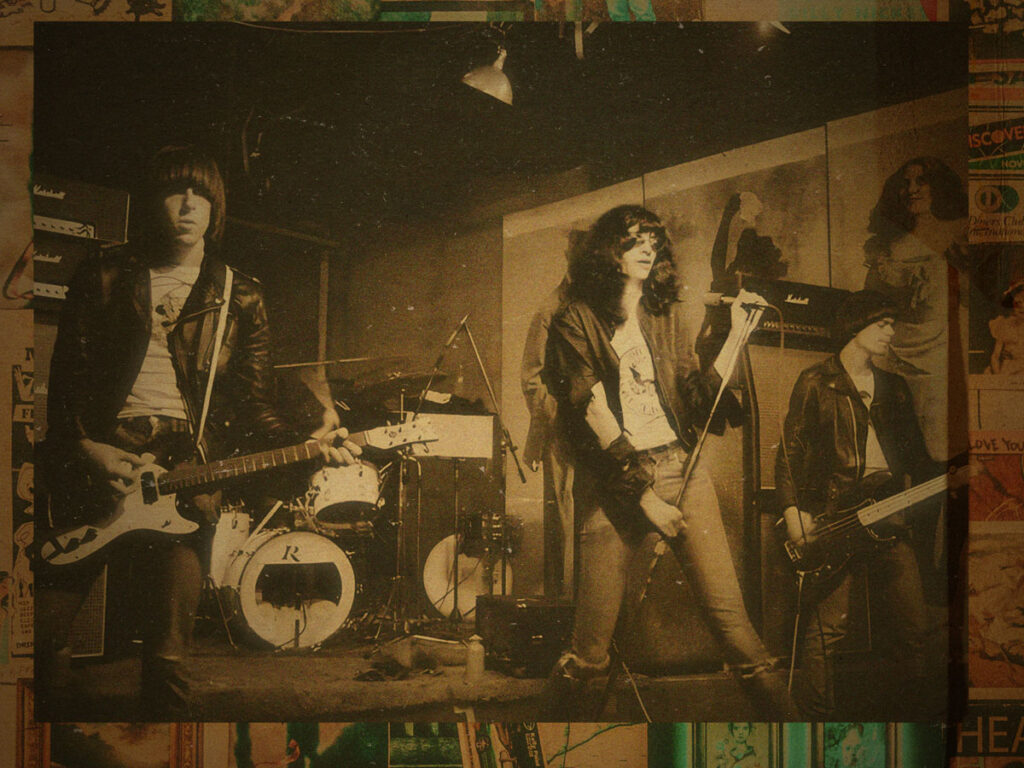
Although Rocket to Russia was the band’s highest-charting album to date, reaching number 49 on the Billboard 200, its sales were still considered a disappointment as the album had been heavily hyped. There was growing interest in this new thing called ‘punk rock’, and the reviews were nearly unanimously positive for its hook-laden tunes. Things boded well for a commercial breakthrough.
That didn’t happen. Although the group was an incredibly popular touring act – their appearances almost single-handedly starting new punk scenes overnight in cities across America – one of their best songs, ‘Sheena is a Punk Rocker’, was only able to reach 81st in the Billboard singles chart. Now, Johnny was rightfully raging that another group was having a hit for them.
The summer of 1977, when ‘Sheena’ was released as a single, was the moment the mainstream American media first started taking major notice of punk. Downtown New York bands were getting signed left and right by major record labels, and Max’s Kansas City and CBGB were packed to the gills most nights.
However, the punk stories that got the most airplay were obviously the most notorious, involving violence at shows, gobbing, rioting, hard drugs and the roughshod antidote to prog virtuosity. This is where British bands excelled. Perhaps having the advantage of taking inspiration from punk in the States and furthering its most extreme characteristics, the Sex Pistols and their peers were brilliant at navigating their way towards a headline.
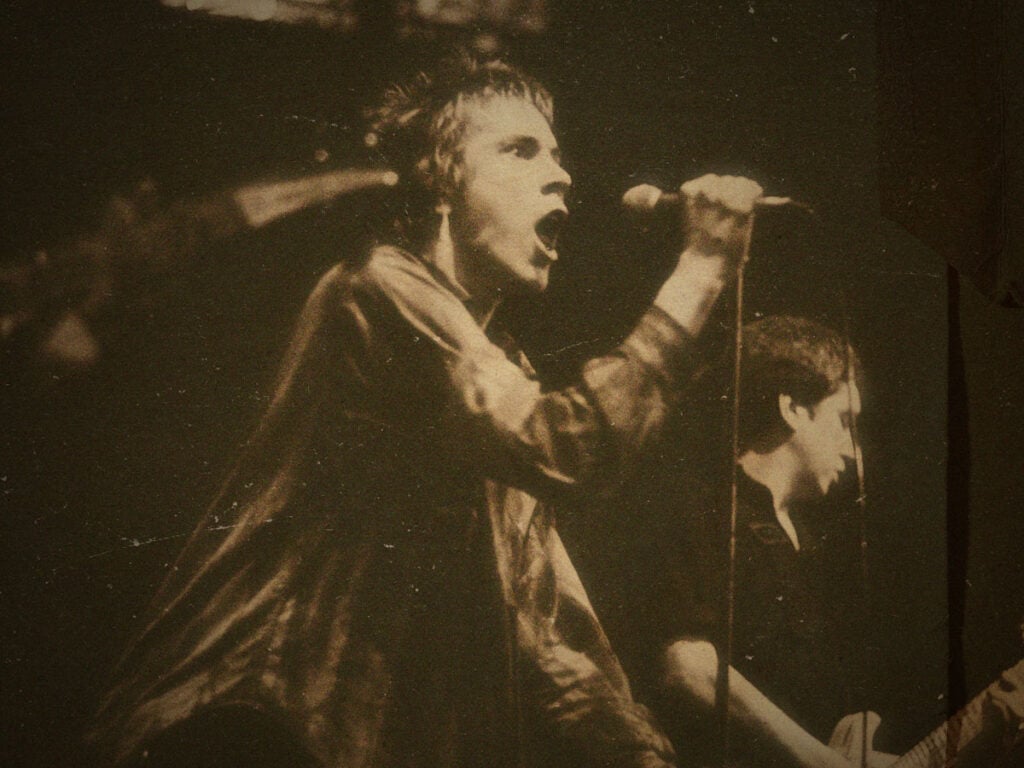
With this in mind, not only did the members of the Ramones see themselves as “robbed” by the Sex Pistols’ guitar sound, they even blamed the loudmouth Londoners for their own lack of record sales, believing the British group’s loutish behaviour had caused the public to see punk as an alarming development, tanking Rocket to Russia‘s potential for breaking them in America.
Sure, the Ramones knew they would still have fans in New York City and acquire more foolhardy folks in the towns they visited on tour, but it was far harder for them to kick up the storm in a teacup that the Pistols were mustering. And they didn’t even want to grab headlines in the first place. They just wanted to bring back the bite of rock ‘n’ roll music.
‘Music’ being the operative word, as Legs McNeil, who was placed firmly among the scene at the time, reported, “Safety pins, razor blades, chopped haircuts, snarling, vomiting – everything that had nothing to do with the Ramones was suddenly in vogue, and it killed any chance Rocket to Russia had of getting any airplay.”
Rocket to Russia was the final Ramones album to be recorded with all four original members, as Tommy Ramone would depart his drum stool in 1978 to work with the band behind the scenes, having grown weary of this punk ‘war’. Besides, it wasn’t like the American icons were making loads of money.
In a backstage reflection in front of PBS cameras, a little further down the line in ‘78, the Ramones discussed the punk scene in England, and dismissed the notion of punk “politics” and the reporting of violence at punk gigs as overblown. They just wanted to create a musical blitzkrieg. Ironically, they weren’t ready for the full-scale assault that they started.