


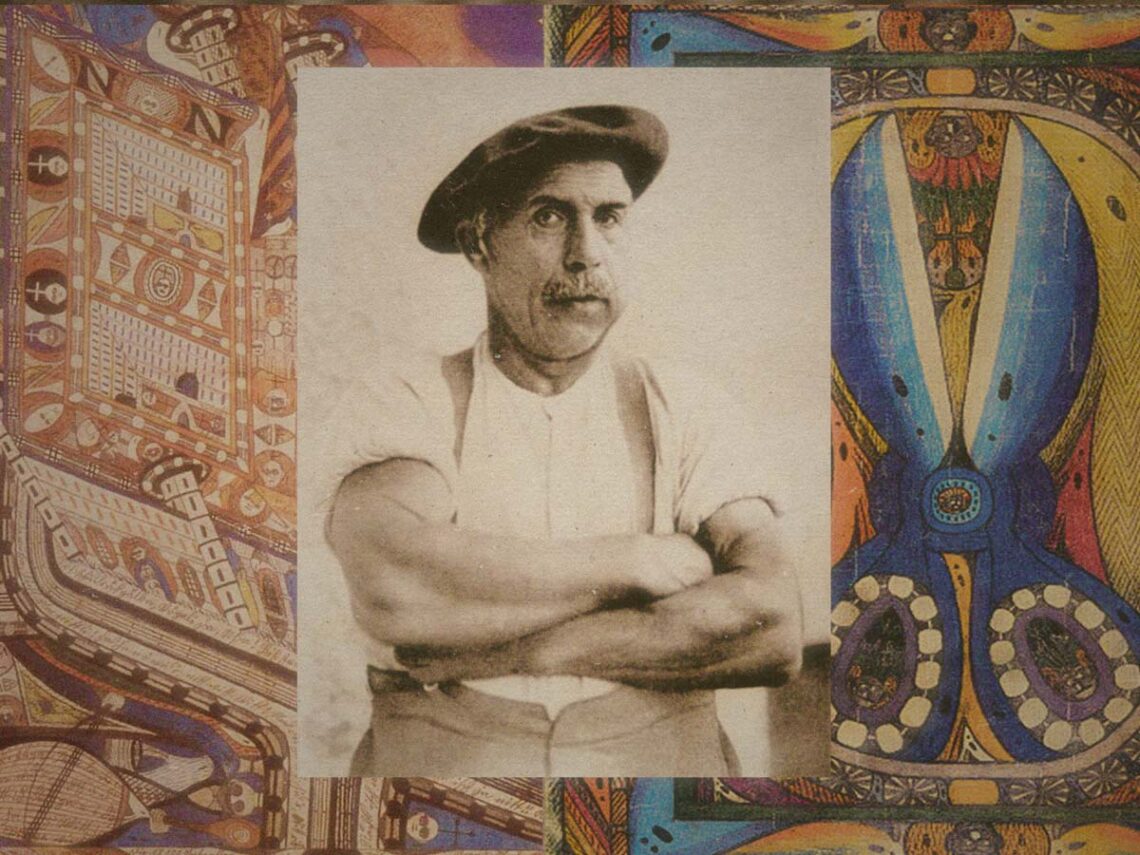
Adolf Wölfli: Does outsider art exploit or uplift the vulnerable?
Dear reader, I won’t beat around the bush here: a lot of outsider art makes me intensely uncomfortable.
It’s fascinating, to be clear. The people who make it have every right to make it, which is a completely non-negotiable human right that to me is pretty inalienable.
However, what’s also clear to me is that in most cases, the media circus surrounding these artists only serves to prey upon the real human lives of deeply troubled people. Patronising them at best and outright enabling them at worst. I think of the lives of Daniel Johnston and Johann Hauser. Even artists whose work is resolutely insider art, like Brian Wilson and Vincent Van Gogh.
When it comes to all these artists, I find myself deeply conflicted about celebrating their work. Outsider art is quite beautiful in some cases. Their view of the world is unique, and their way of expressing that view of the world through their art is doubly so. There’s huge value to that if you want to be so cut-throat as to measure the meaning of art through value. It can help us understand their interiority, which is a good thing to strive for, especially in a world that otherwise isolates, marginalises and others the mentally ill.
It can do all that. Whether it does in practice is a different question. Most of the time, looking at outsider art and the media circus around it feels less like people trying to understand people on the margins of society and more like people trying to exploit them. The story of Adolf Wölfli, an Austrian artist credited with being the first outsider artist, is one that supports this reading. I’d suggest you brace yourself, because this is not a pleasant ride.
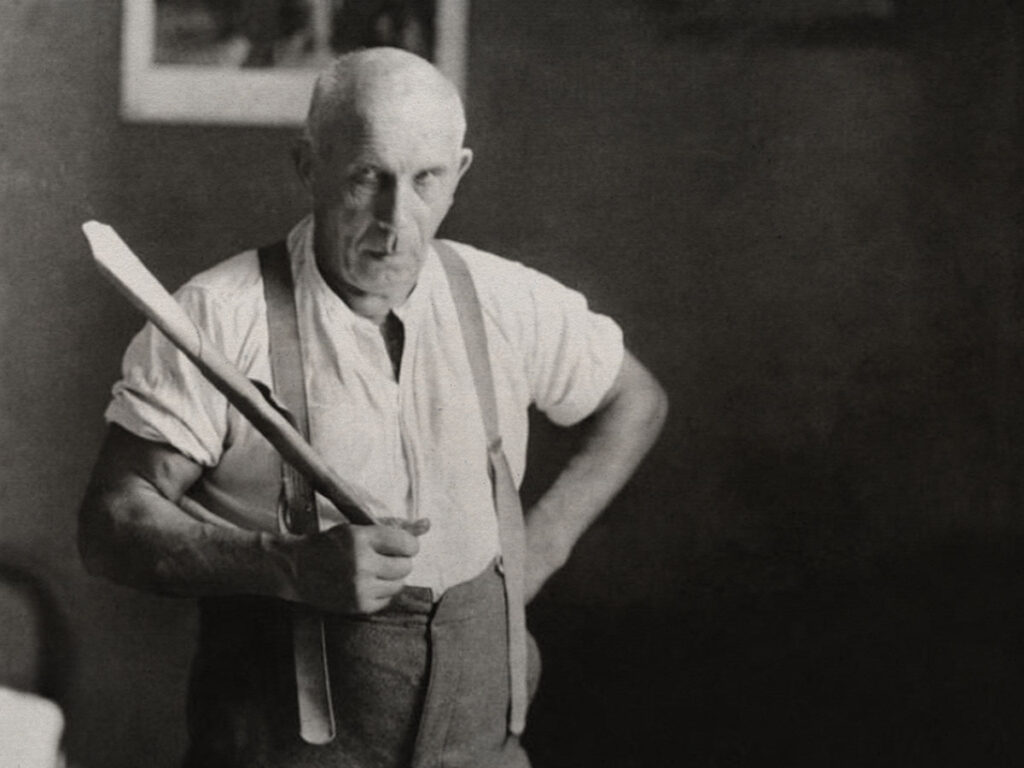
Who was Adolf Wölfli?
Born in Emmental, Switzerland, on the leap year day of 1864, Wölfli’s childhood was… Well, just giving it descriptors cheapens it. It’s a miracle he made it through at all. We actually know the specifics of what he went through due to a memoir he wrote in his young adulthood, and thus, we know the sexual and physical abuse he suffered as a child. We know how he was orphaned at ten years old and how he grew up in a series of foster homes in between jobs working as an indentured child labourer. This is when the morality of covering this man becomes incredibly questionable.
In 1895, Adolf Wölfli was sectioned for repeated attempts at sexually assaulting children. While he was a patient at Bern’s Waldau clinic, he began to draw. Over the next two decades, Wölfli became astonishingly prolific, creating paintings, drawings, songs and stories with every moment he could. One of Waldau’s psychiatrists, Dr Walter Morganthaler, was taken by his artwork and began studying it. Publishing a landmark book about Wölfli’s work called A Mental Patient as Artist.
The fascination we have with mentally ill artists arguably began here. The work of Dr Morganthaler examined what we could learn of Wölfli’s condition via his art and, in doing so, exposed his oeuvre to not just a wider audience but any kind of audience. Something that Wölfli would never have been given previously. Should he have? I have absolutely no idea. If his work has deepened our understanding of mental illness, then perhaps. If his work has lead to the exploitation of vulnerable people who are a danger to themselves and others, maybe not.
Annoyingly enough, the obvious answer to which of those effects Wölfli’s work has had on the world is both. Thus, the question of whether it’s all been worth it remains up to you, dear reader.