


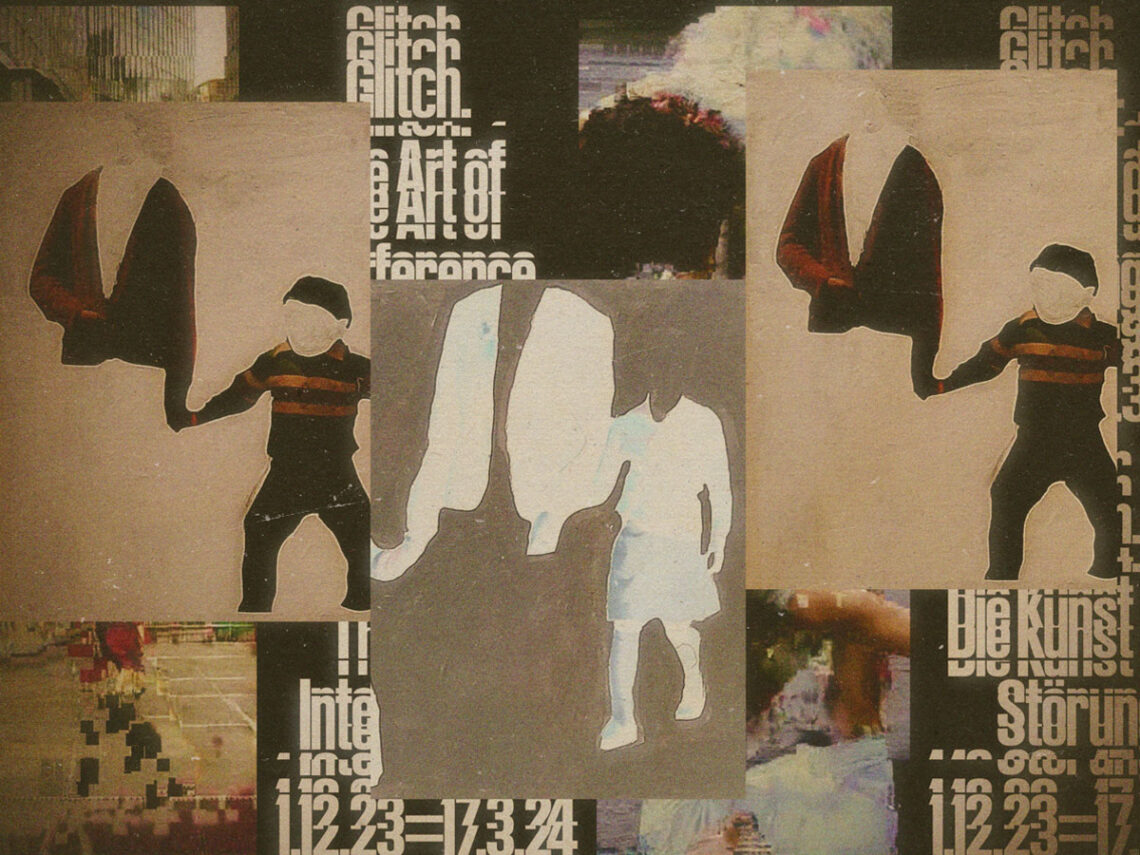
The German computer technician who made a mockery of the art world
The world of mainstream art seeks to have its cake and eat it, all the time.
On one hand, it may be well within its rights to do so. After all, any mainstream form of art or media or whatever was at one point the counter-culture. Movies were once carnival sideshows where people gathered to watch a moving picture of a horse running. Pop music as a concept stemmed from several underground forms of music going well overground at the same time. Art is no different. An average modern gallery is made up of things that would have been considered radical, if not dangerous a decade ago.
On the other hand, when something becomes mainstream, it, by definition, must forfeit any idea of being the counter culture. If an independent film wins an Academy Award, the way that Anora did in 2025, it can talk about being an independent work that took its place among the establishment all it wants. If it talks about still being anti-establishment, then, that’s a much harder argument to make. This is no different from the world of art.
Take Banksy, for example. His exhibition in Soho is built around someone who made their name in graffiti, but that doesn’t make the exhibition any less establishment. Especially if one gets the feeling that if someone put their own tag up next to the lovingly reproduced screen prints of Banksy’s most infamous work, the entire place would be shut down to remove it. After all, their duty is to make room for the radical graffiti done by the guy whose name’s on the marquee, right?
If you think that’s an extreme example, we know for a fact that sort of thing happens thanks to an exhibition at the Pinakothek der Moderne in Munich.
What was the stunt that the art museum pulled?
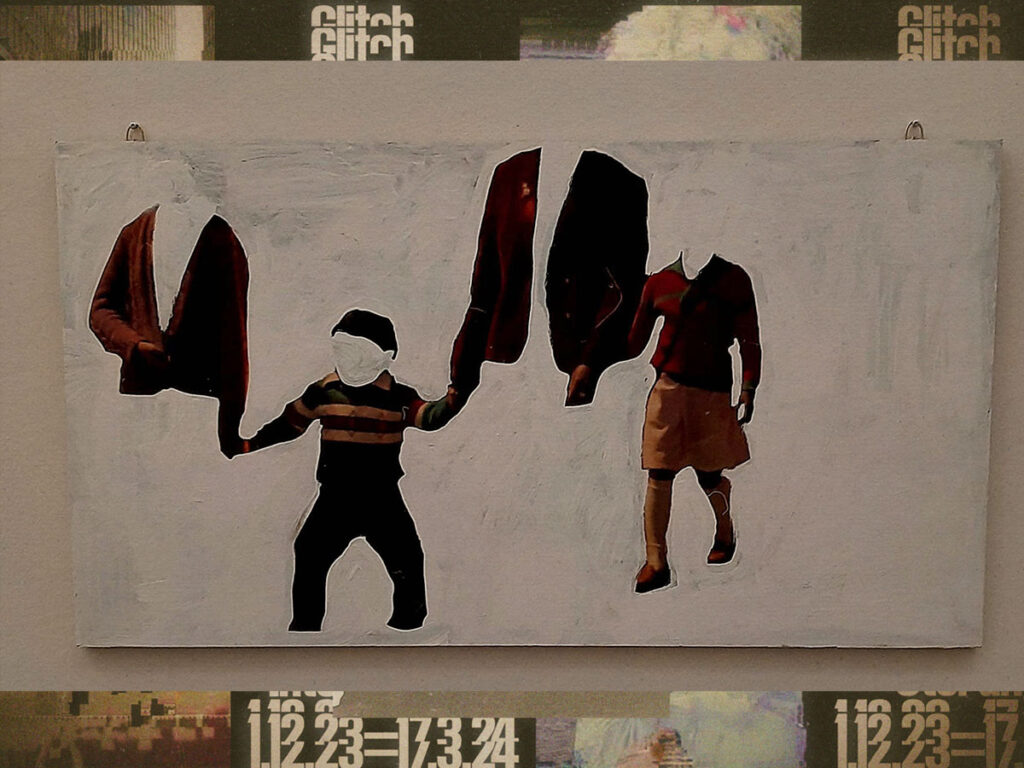
In 2024, the German museum hosted an exhibition called Glitch: On the Art of Interference. The idea behind this exhibition was an examination of whether, in an age where the vast majority of art is displayed by technology, any malfunctions that come from those technologies count as art itself. The majority of the artworks displayed at the exhibition were photos or video installation pieces, with the occasional sculpture or painting thrown in for good measure.
The first artwork exhibit was easy to miss. A photo measuring 60cm by 120cm, depicting a family of four with all but their clothes covered in white paint. This was a work by a 51-year-old German artist, but not one that had actually been picked by any of the exhibition’s curators. No, this was a work by one of the museum’s technical support workers, who’d snuck the painting in the morning it opened. The ruse was discovered, then removed after the exhibition closed, and the worker was fired.
Which, ironically, showed the point that the anonymous worker was trying to make better than the stunt ever could. It proved that the technical support that modern art (both capitalised and not) lives by today is taken for granted by the people who call the shots, even when they’re making work that “responds” to the presence of technology in art. The culture was shown its own hypocrisy, and instead of actually correcting it, it doubled down.
Tastemakers are not like us, and they never have been.