


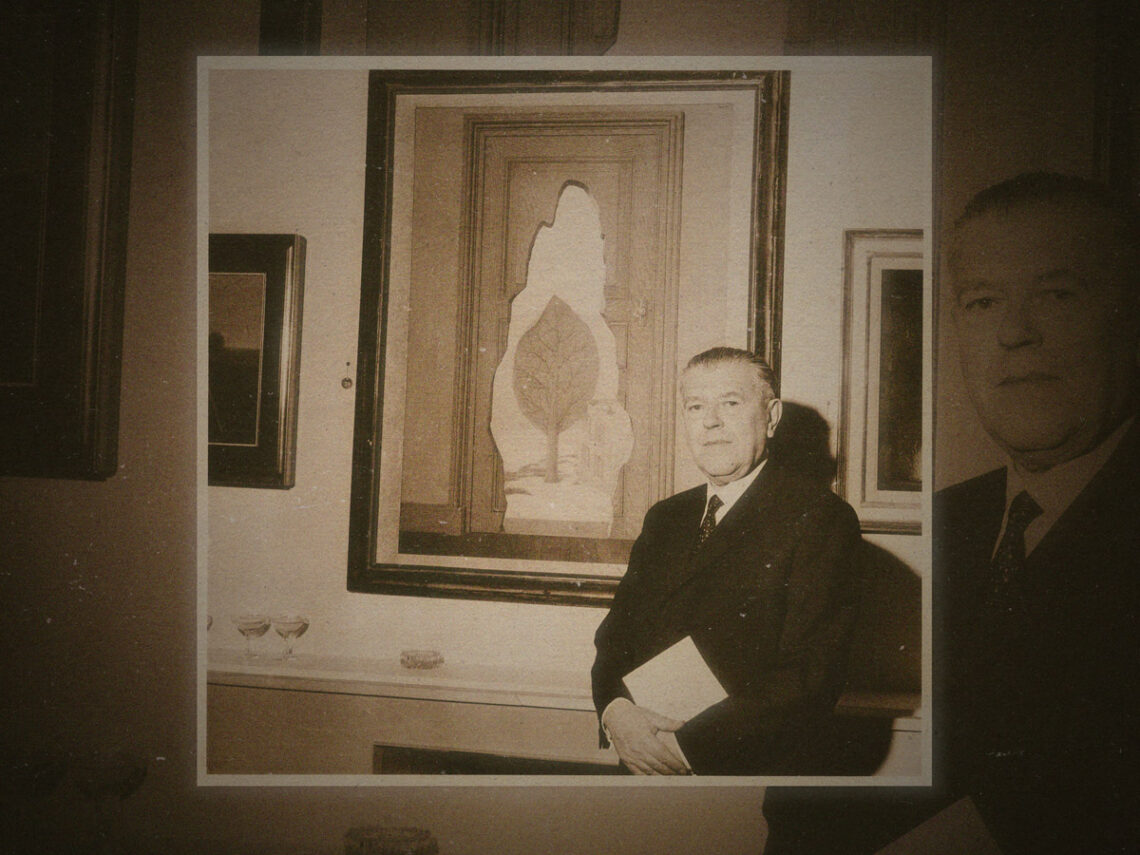
Is the art of René Magritte haunted by his dead mother?
If art is an expression of what we feel at our most primal, then all art must be at least partially an expression of grief, from Magritte to Tyler, the Creator and everywhere in between.
It’s an emotion that never truly leaves us. When it enters our lives, we simply have to learn to live with its burden, much like we simply have to learn to live without the people whose departure inspires it. Grief demands to be felt, especially if we try to suppress it. Thus, anyone who creates art while in the throes of it has to be creating an expression of it, whether they realise it or not. After all, people do a lot of things before realising that what they were doing at its heart was mourning.
René Magritte had more reason to mourn than most. No artist’s life is a simple one, but Magritte had a rough go of it from the very beginning. To the point where it’s been wrapped up in the mythology of his art so much that we may actually be ignoring a large portion of what inspired his work in favour of focusing on the worst part of his life. One that came tragically soon into it, when Magritte himself was a mere 13 years old.
Little is known about the early life of Magritte and his family, but we do know that his mother, Régina, was a troubled soul. She was fighting a constant battle against depression when her son was at an early age, trying to end her life on a couple of occasions before disappearing on February 24th, 1912. After a search that lasted 16 days, she was found drowned in the River Sambre at Châtelet, near where he grew up in Belgium.
So the legend goes, it gets even worse from there.
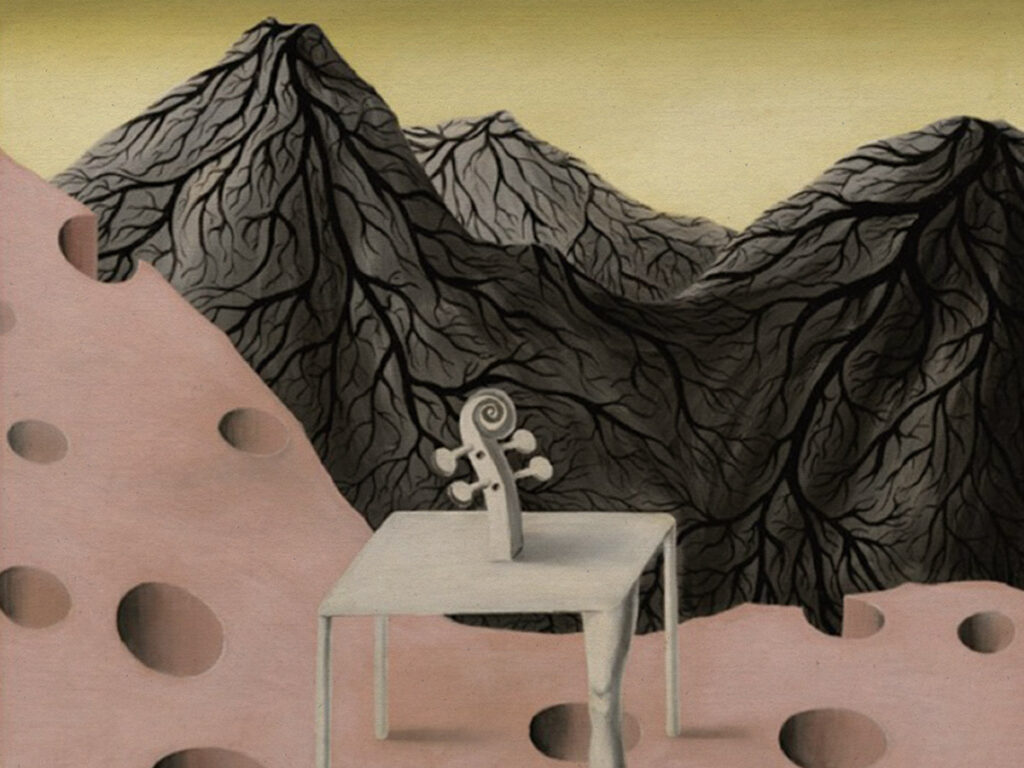
How does his mother haunt the work of Magritte?
There’s reason to believe that this was a falsehood concocted by one of the well-to-do Magritte family’s live-in nurses, but there’s a good reason this version of the story stuck around for as long as it did.
Legend has it that the young Magritte was there when her mother was pulled from the River Sambre. When she was pulled to the surface, her dress was covering her face, and those who are familiar with the surrealist legend’s work will know exactly why this story has lasted so long in discussions of his work.
As he came of age, Magritte began as an impressionistic painter, but as the 20th century went on and the world of art moved on from the Victorian art movement, he fell in with the surrealist movement. This was where he truly made his name, becoming a respected painter in the 1950s and a household name by the time of his death in 1967. His work was best known for his mastery of colour and the artful way he juxtaposed familiar objects in unexpected contexts.
One of the most famous ways he deployed that eye for a surreal subversion was in his portraiture. In many examples of his work from his late 1920s period, he depicted people whose faces were obscured by material, including in one of his most famous works, ‘Les Amants’.
Losing your mother at such a tender age is something you will spend your life working through, and it’s easy to believe that’s exactly what Magritte was trying to do with his work.