


Retreating from the world: What made Thomas Pynchon a recluse?
Thomas Pynchon is an enigma of literature.
At this point, I think it’s fair to say that the man is just as known for his reclusive personality as his novels. Considering his oeuvre contains masterpieces like Gravity’s Rainbow, Inherent Vice and Vineland, recently adapted into fellow Paul Thomas Anderson masterpiece One Battle After Another, this is saying a hell of a lot. Those novels are each labyrinthine excursions of American mythology, and Pynchon himself could appear as a character in pretty much any of them.
This is, after all, a man with vanishingly few photos taken of him. A man whose location is only ever discoverable via “his last known whereabouts”. A man whose mystery has only deepened as the internet age makes everyone accessible with a few half-thought-out keystrokes. Even his few media appearances highlight his anonymity, while still pointing towards a bitingly intelligent, very funny and thoroughly human man beneath all the mystery.
After all, the most high-profile media appearances that Thomas Pynchon has made are his multiple cameos in The Simpsons. According to Matt Groening, Pynchon personally edited his lines for his second appearance and refused to insult Homer’s weight in them, citing the Simpson patriarch as “my role model.”
Perhaps Groening is playing fast and loose with the truth here, but so little is known about Pynchon that, really, anything could happen. Oh, and he appears in the show with a paper bag over his head, natch.
Why is Thomas Pynchon such a recluse?
Now, the obvious answer to the above question is “we don’t know, he’s a recluse, duh,” but hear me out here. For most people with a contentious relationship to the public eye, there’s a reason for it. John Deacon of Queen retreated from the band and from the public eye at large because of how abhorrent he found the press’s coverage of his friend Freddie Mercury for the last decade of his life. Bob Dylan avoids the spotlight as much as a working musician of his fame can due to the experience of his first flush of fame in the mid-1960s.
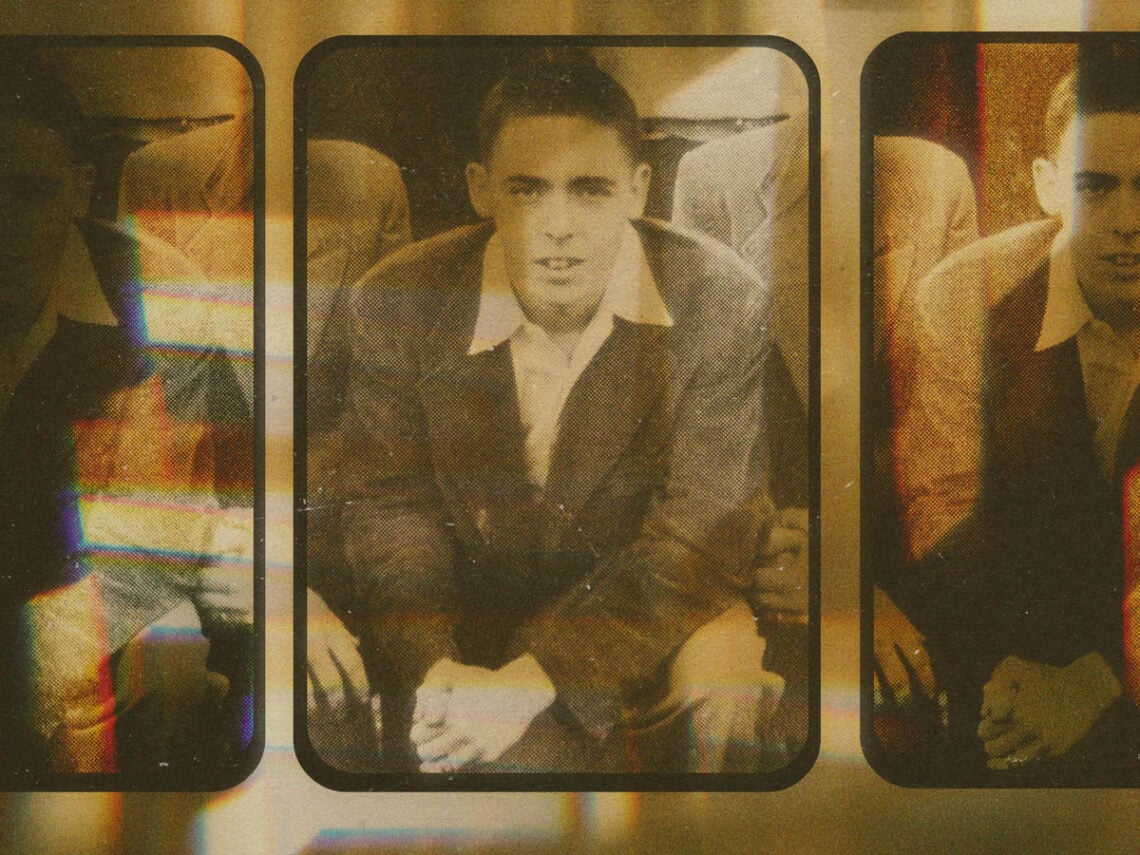
So, did Pynchon have a similar experience? Honestly? Not really. Even after his first novel, V in 1963, a full decade before Gravity’s Rainbow made him one of the most respected American novelists of his generation, Pynchon was a mystery. One review of V. in The New York Times Book Review dubs Pynchon “a recluse” living in Mexico. Pynchon’s aversion to the spotlight really does seem to come to him naturally, to the point where the only photos of him as a young man come from his time in the Navy.
However, the human side of Pynchon does come through from time to time. He has written tributes to many other writers who were his friends, peers or influences, whether that’s providing forewords for re-releases of their novels, or providing quotes for their covers. He’s also not averse to adaptations of his work, as we can see from PTA’s takes on not only Vineland, but also Inherent Vice. If anything, Pynchon’s reclusive nature is something we can all take heart in.
Even today, we can hide if we want to, and engage with the world entirely on our own terms, no matter what they might be.