


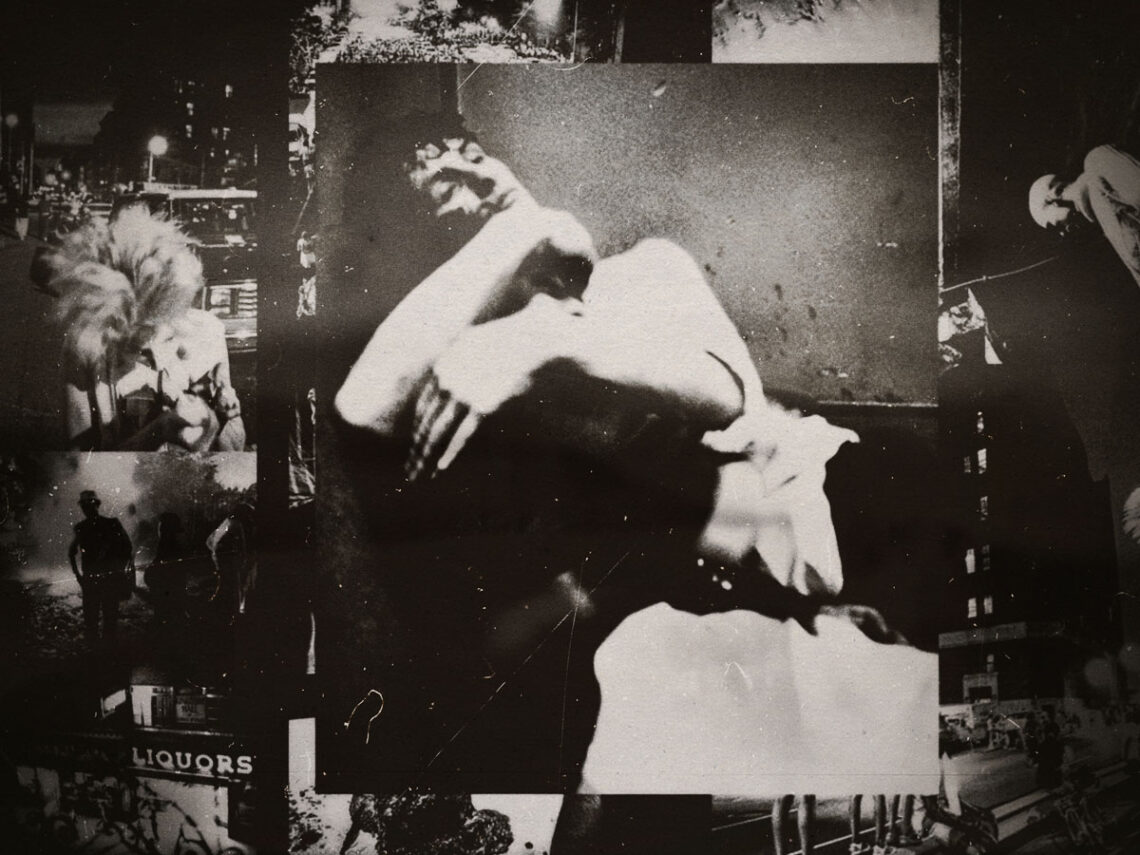
Raw, brutal, and intimate photos depict the 1980s ‘heroin epidemic’ of New York’s East Village
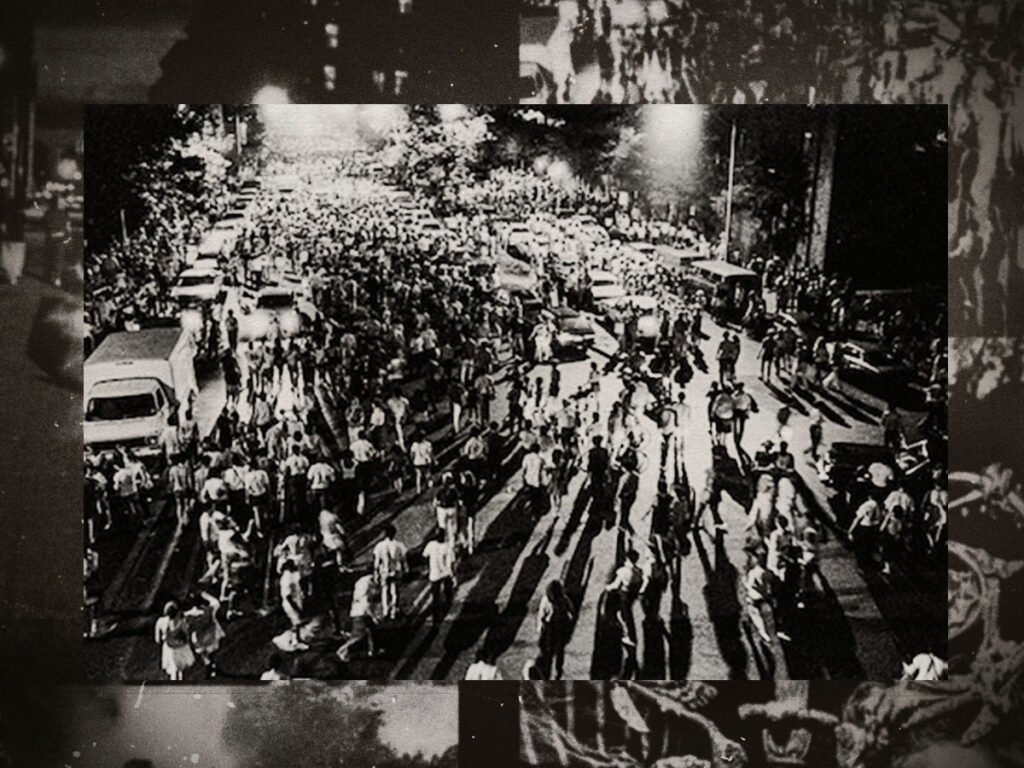
Anyone who’s hung out on Rivington Street the last few years might be surprised to learn that the East Village was one of the scariest parts of New York just a few decades ago. Not for nothing did one police officer in the 1980s label Avenue D “the world’s largest retail drug market”.
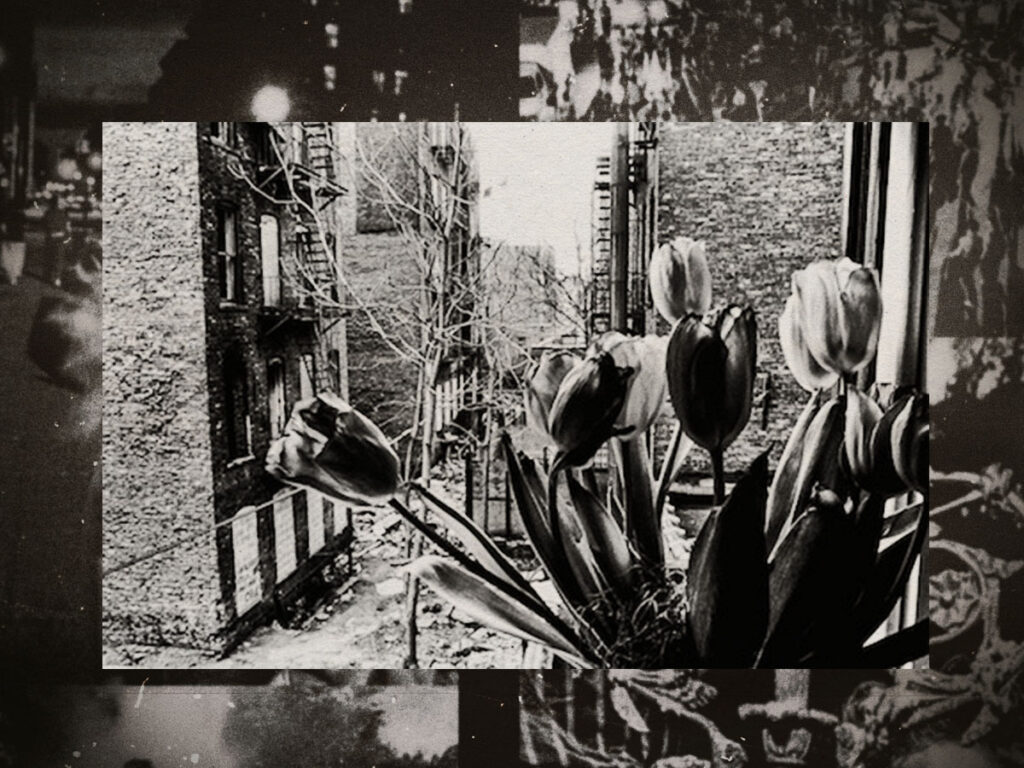
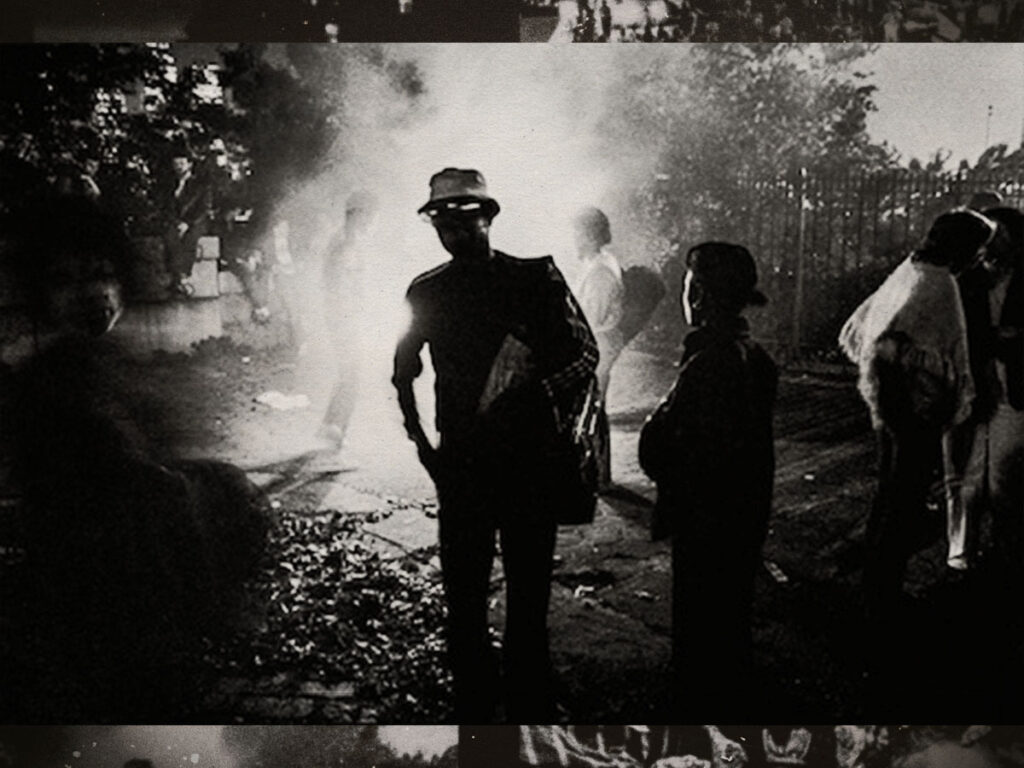
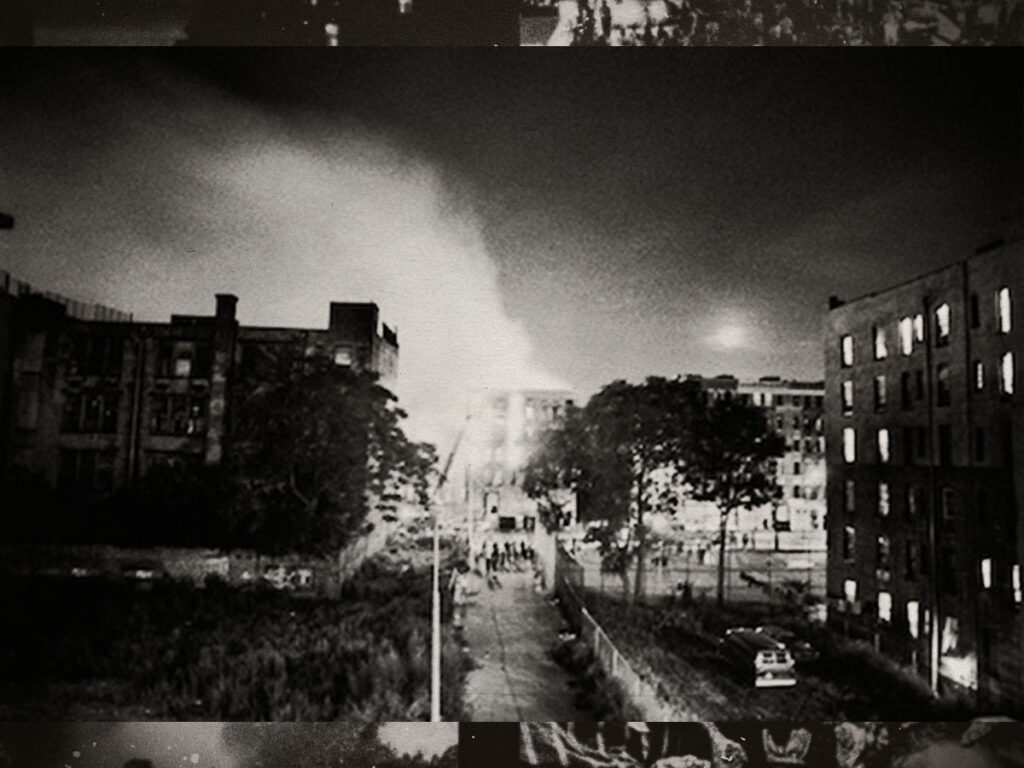
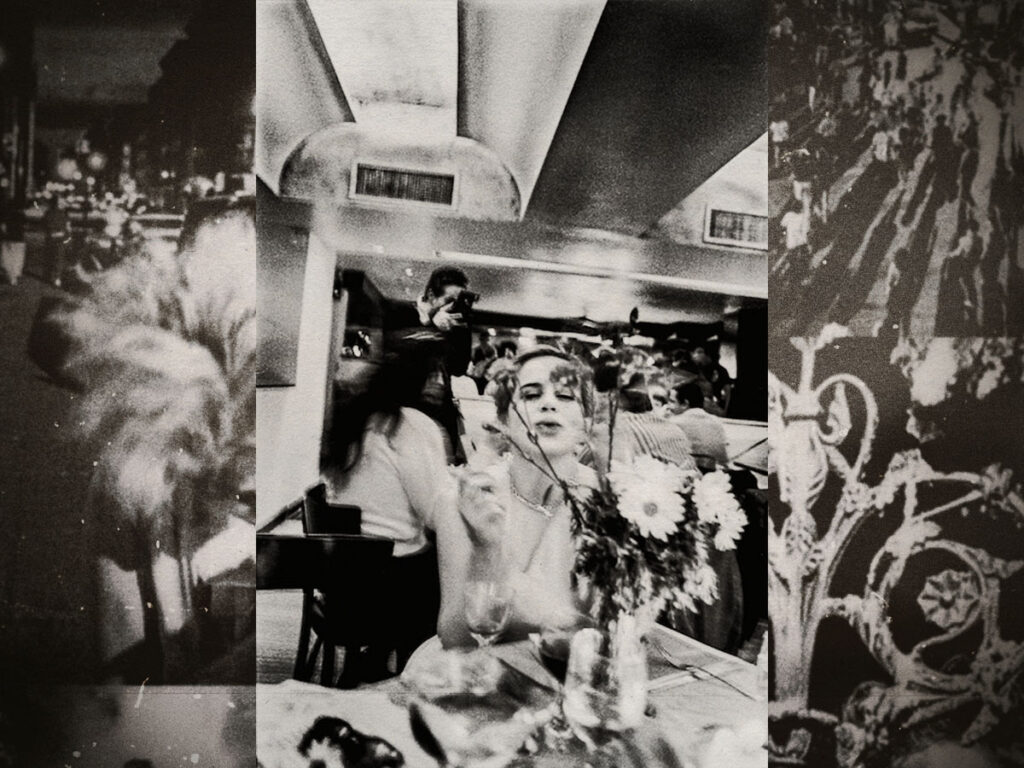
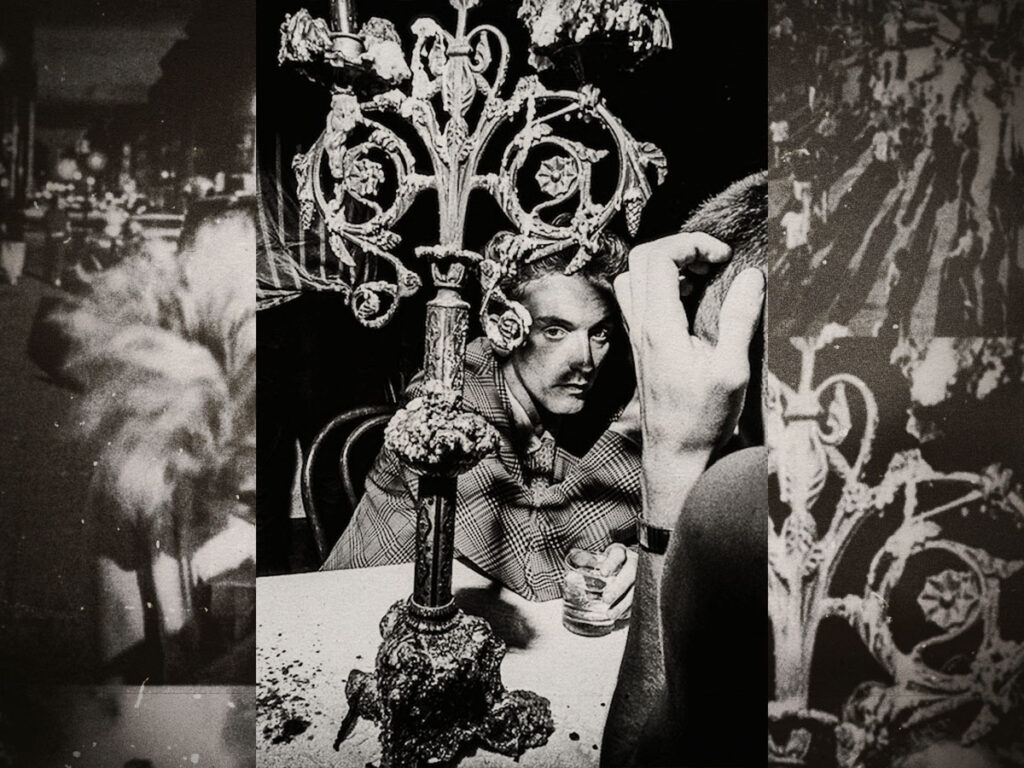
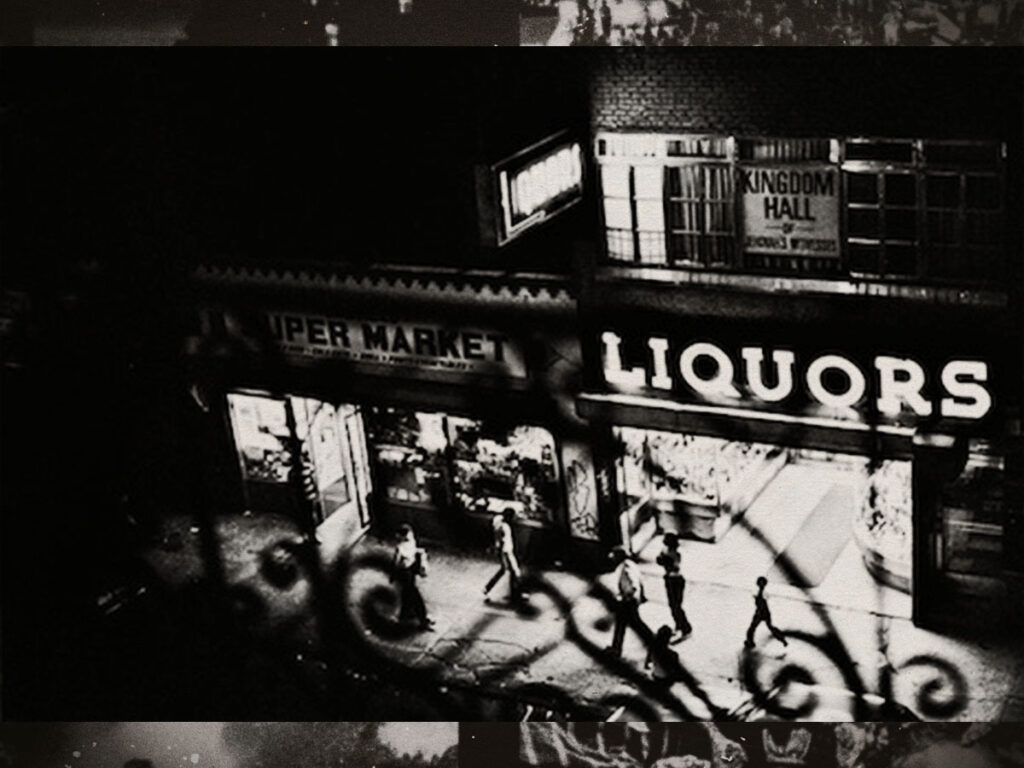
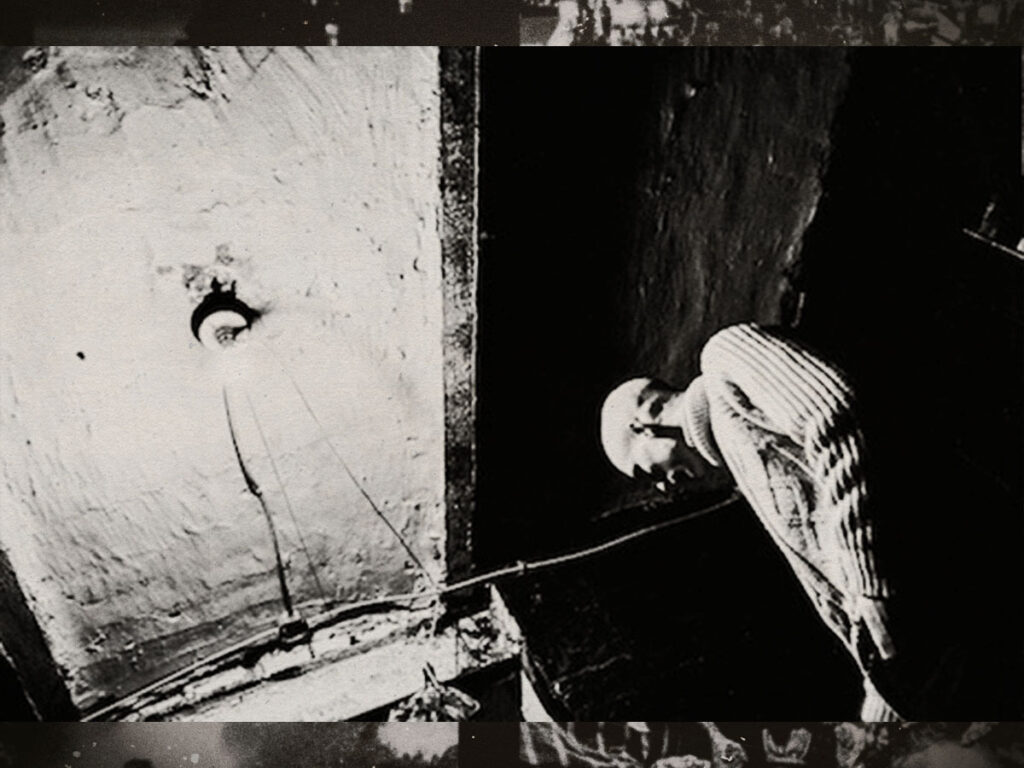
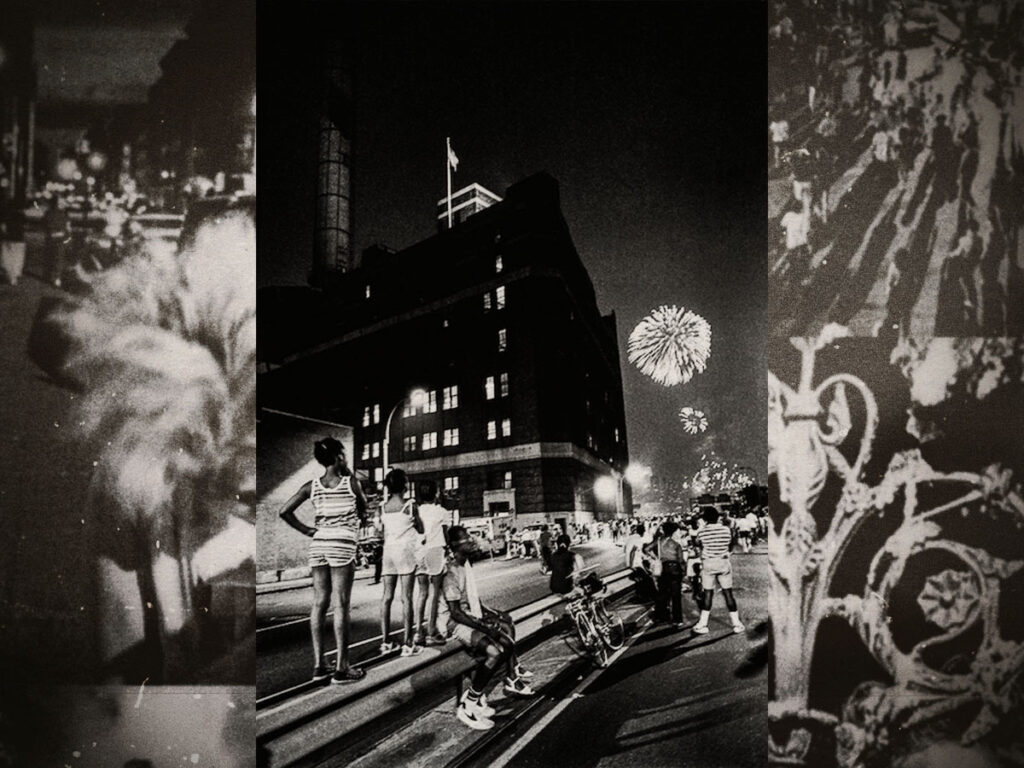
Photographer Ken Schles, who lived in the East Village in the 1980s, once said that it was “like a war zone”. Schles witnessed firsthand the heroin epidemic and the AIDS crisis happening all around him. His photographs, many taken from his bedroom window, depict the urgency and hopelessness of a neighbourhood in crisis.
Schles’ building, where he also had his darkroom, was in disrepair from the moment he moved in in 1978; just a few years later, the landlord abandoned the building, leaving tenants to their own devices. Schles led a rent strike and worked to improve the living conditions, as drug gangs moved in on the space.
“My friends were dying of AIDS, and I was living in an abandoned building,” Schles said, looking back at his time in the area.
Unlike the romanticised imagery produced by some, Schles’ frank pictures offer no illusion as to what is being depicted. Schles himslf is disgusted by such idealized portraits and offers a refreshingly honest and pragmatic take on the era, as he says, “I don’t pine for the days when I’d drive down the Bowery and have to lock the doors, or having to step over the junkies or finding the door bashed in because heroin dealers decided they wanted to set up a shooting gallery. A lot of dysfunction has been romanticised.”
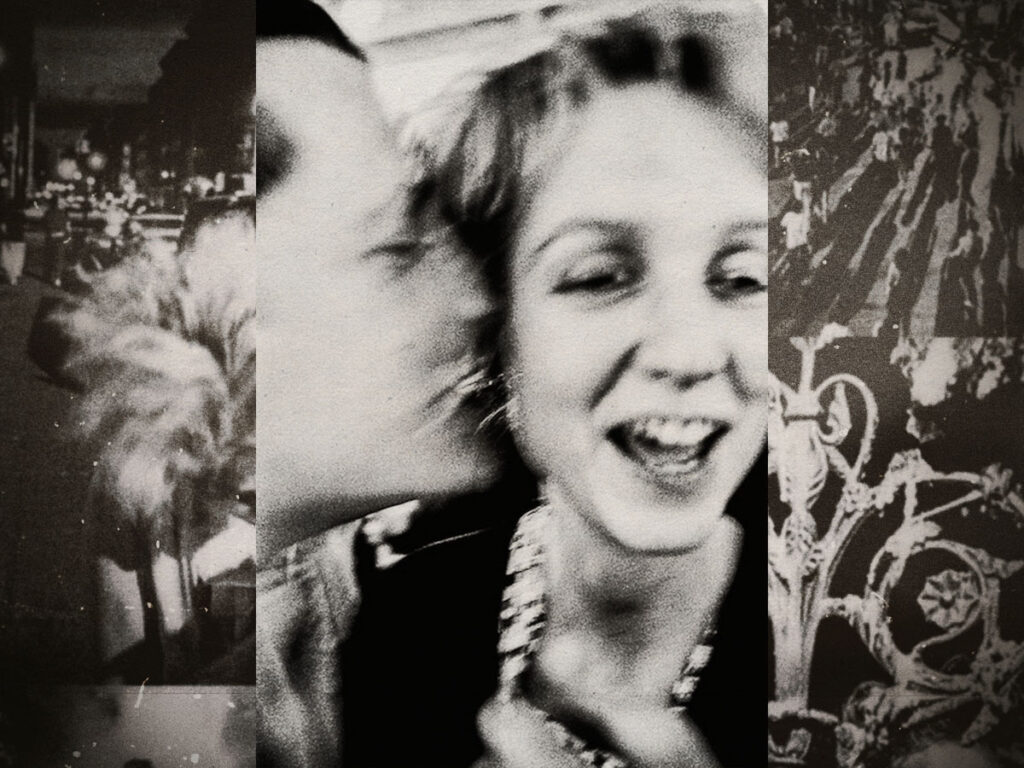
Schles’ shots, many taken from his bedroom window, provide blurred and grainy fragments, stories to which we do not know the beginning, even if we can guess at the grim ending. Eventually, Schles’ fellow artists and gallery owners banded together to rebuild the neighbourhood.
“I guess we can call it a project,” Schles said of his work. “I was responding to what I was seeing and feeling at the time—where I found myself. Invisible City was about confronting and overcoming fears: it was about being locked inside my apartment and feeling trapped, but also wanting to venture out. To go out into what seemed an overwhelming, arbitrary, inscrutable, dangerous world. I didn’t quite know how to proceed”.
He added: “I was unsure of myself. I had no money and few resources. But I recognized that what I experienced everyday when I walked the streets near my home wasn’t reflected in what I saw in mainstream media. I felt compelled to capture that mood, which for me was so tangible, so palpable”.
In 1988, Schles published Invisible City, which was reissued a couple of years back. Later, he released a follow-up, Night Walk. Together, they make an intimate study of a neighbourhood that is no longer recognisable.

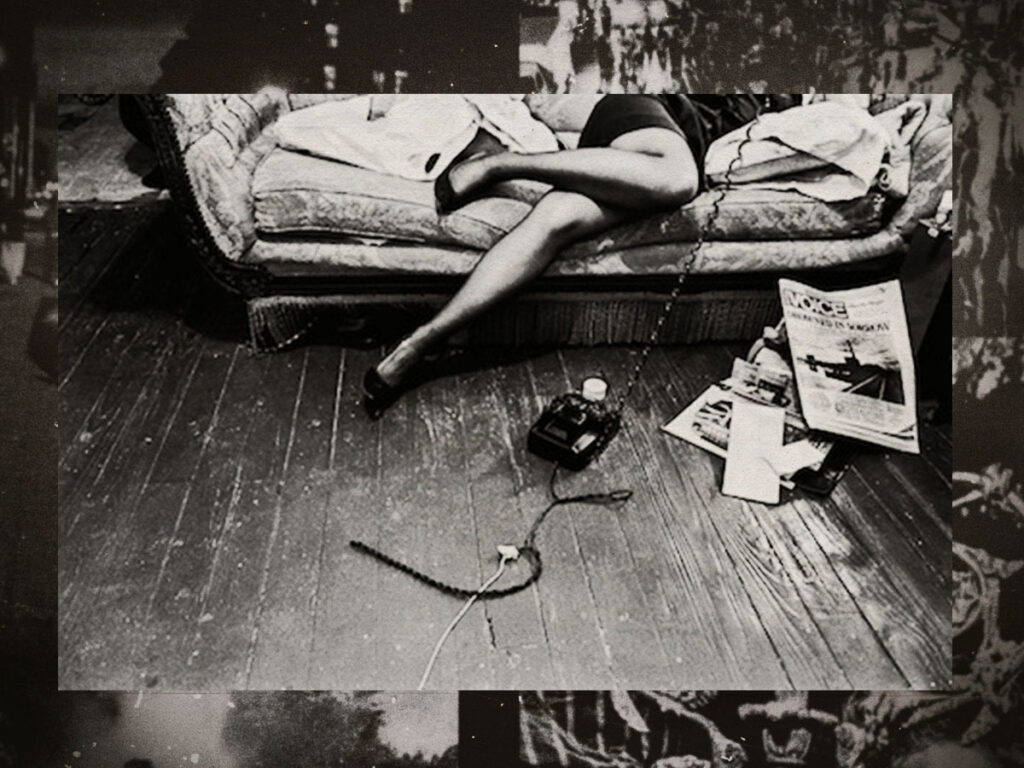
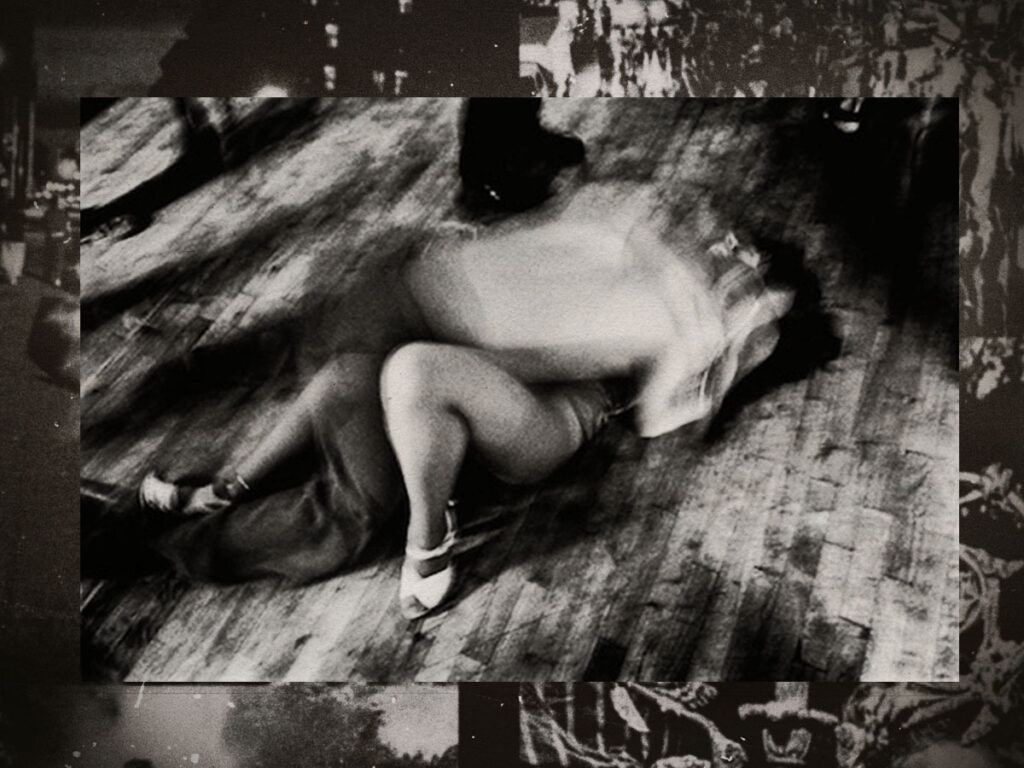
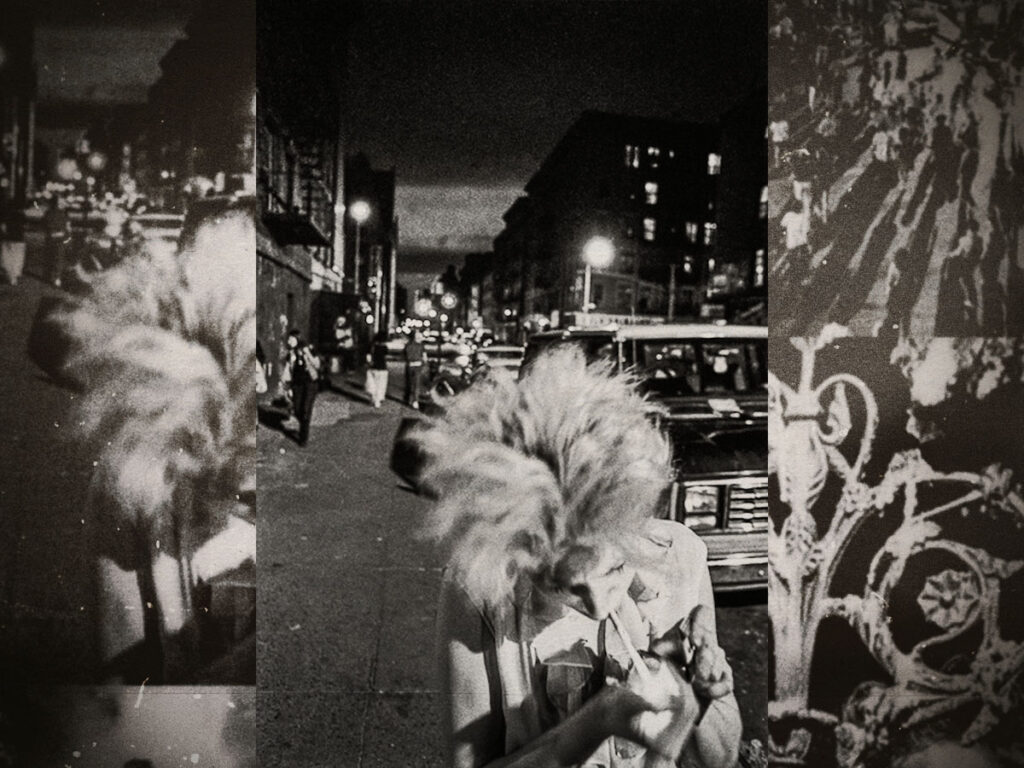
All images © Ken Schles, courtesy Howard Greenberg Gallery