


Egyptomania: The morbid mummy craze that swept Victorian England
If this is the first you’ve heard of Egyptomania, you might think the age of social media has shown the depths to which people can be entertained.
You might think the age of social media has shown the depths to which people can be entertained.
A cursory glance at your TikTok feed can show some damning indictments of what holds your attention. You may not have got around to watching Chernobyl, reading War & Peace, or finally watching the second part of Angels in America, but videos of people popping zits? We’re all over that. That copy of Persepolis sits on your bookshelf as pristine as the day it arrived, but novelty songs about The Human Centipede? You could do that at karaoke at the drop of a hat. Thank you very much, Tom Cardy.
The truth is, though, we humans have always been partial to absolutely baffling forms of entertainment. We are, after all, the culture that gave the world cock-fighting and bear baiting long before the idiot box stood in the corner of nearly every living room in the world. In fact, the lack of mass media meant that in order to pass the time, we had to go a lot further than we have to go today to get our kicks. There were no phones to scroll through in order to see insane stuff, you had to find it yourself.
The Victorian era was chock full of this sort of thing. The industrial revolution meant that the country (ostensibly) was no longer split into gentry and serfs anymore (it still sort of was, but that’s beside the point). Thus, a lot more people had disposable income, and people needed things to do with it. Not everyone could be actors, writers and musicians, so budding entrepreneurs had to be more creative about their wares. Thus began the strange craze of Egyptomania.
What was Egyptomania?
In the 1800s, the world was in the process of becoming a much bigger place, at least to the layman. The British Empire’s rampant colonialism was bringing stolen treasures from all over the world to England, and thus, the fascination with so-called “exotic” countries was at an all-time high. There was arguably no country with as much fascination surrounding it as Egypt, especially among the English upper class. Thus, people with access to relics from the Pharaoh’s tomb (or more likely, things that looked like them) could do a roaring trade showing them off to toffs with too much money, with commentators calling the phenomenon Egyptomania.
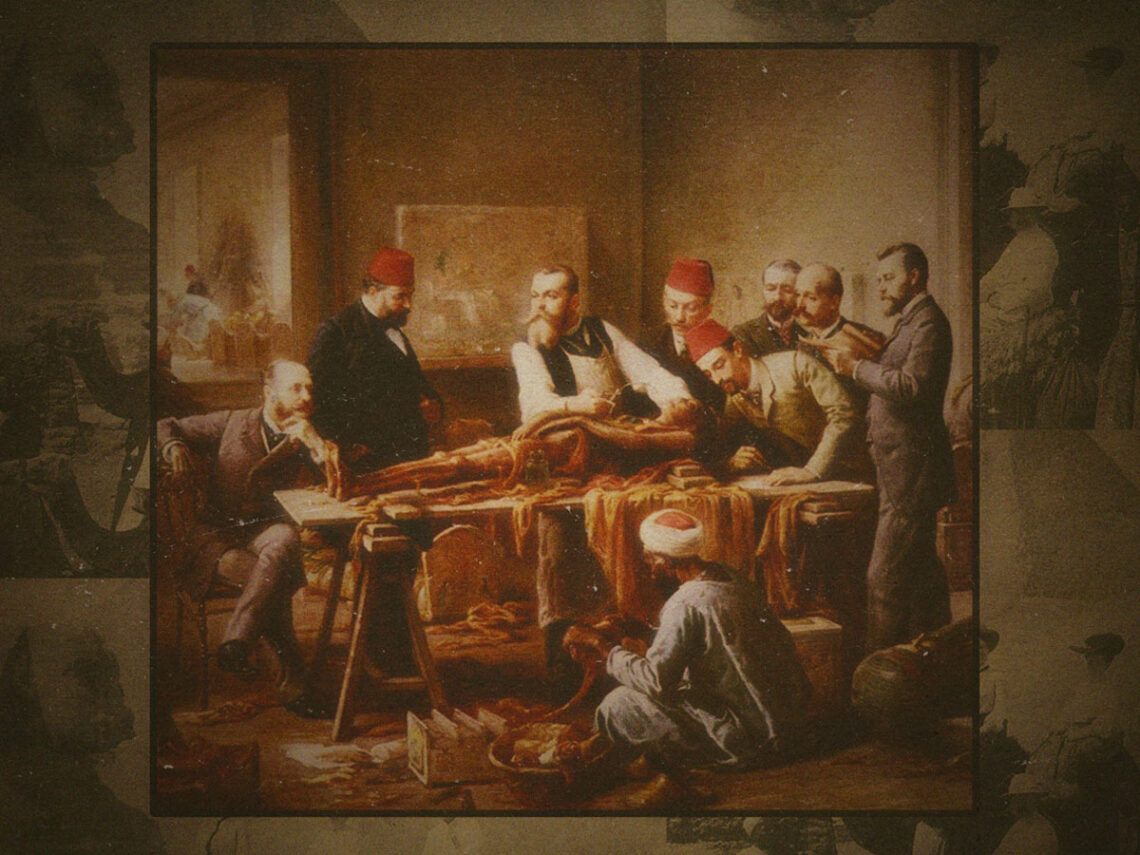
One of the most famous (and most legit) hawkers of these relics was an Italian man born Giovanni Belzoni, who plied his trade under the name ‘The Great Belzoni’. Belzoni was an antiquarian and explorer of great renown who was the man responsible for bringing (y’know, stealing) the iconic statue of Ramses II from Thebes and bringing it to the British Museum. When he wasn’t on an expedition, he plied his trade with one of the more disgusting acts of desecration you could charge an entry fee for at the time, the still gross act of Mummy unwrapping.
It’s exactly what it sounds like. The 1832 Anatomy Act had legalised autopsies, so under that banner, anyone could bring in a mummified corpse, call it an autopsy and legally unwrap it for an audience of shocked punters. Of course, the mummification process of Ancient Egypt meant that these bodies were still amazingly well preserved after thousands of years, so audiences were at least getting bang for their buck. With preserved amulets and even locks of hair, causing some of the more fragile audience members to faint where they stood.
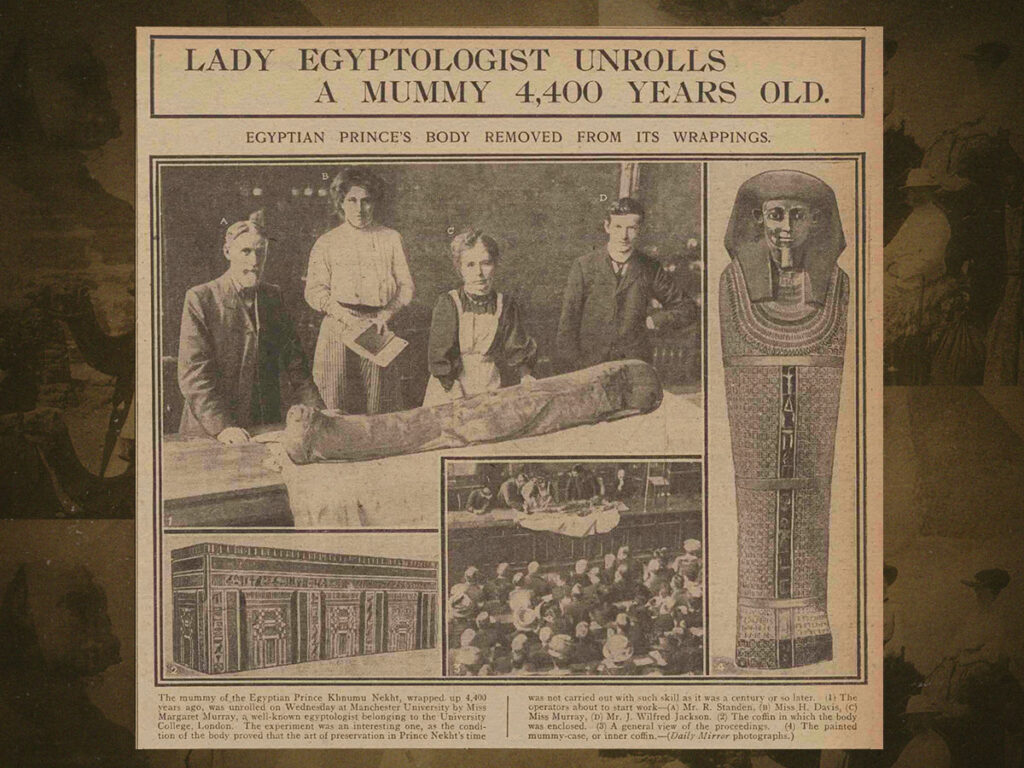
Unwrapping hit its peak of popularity in the mid-1800s, but had waned in popularity by the 1860s. The spectacle did continue for the true enthusiasts until the last recorded unwrapping in 1903. So, if you think morbid spectacles are a recent phenomenon, think of Egyptomania, then think again.