


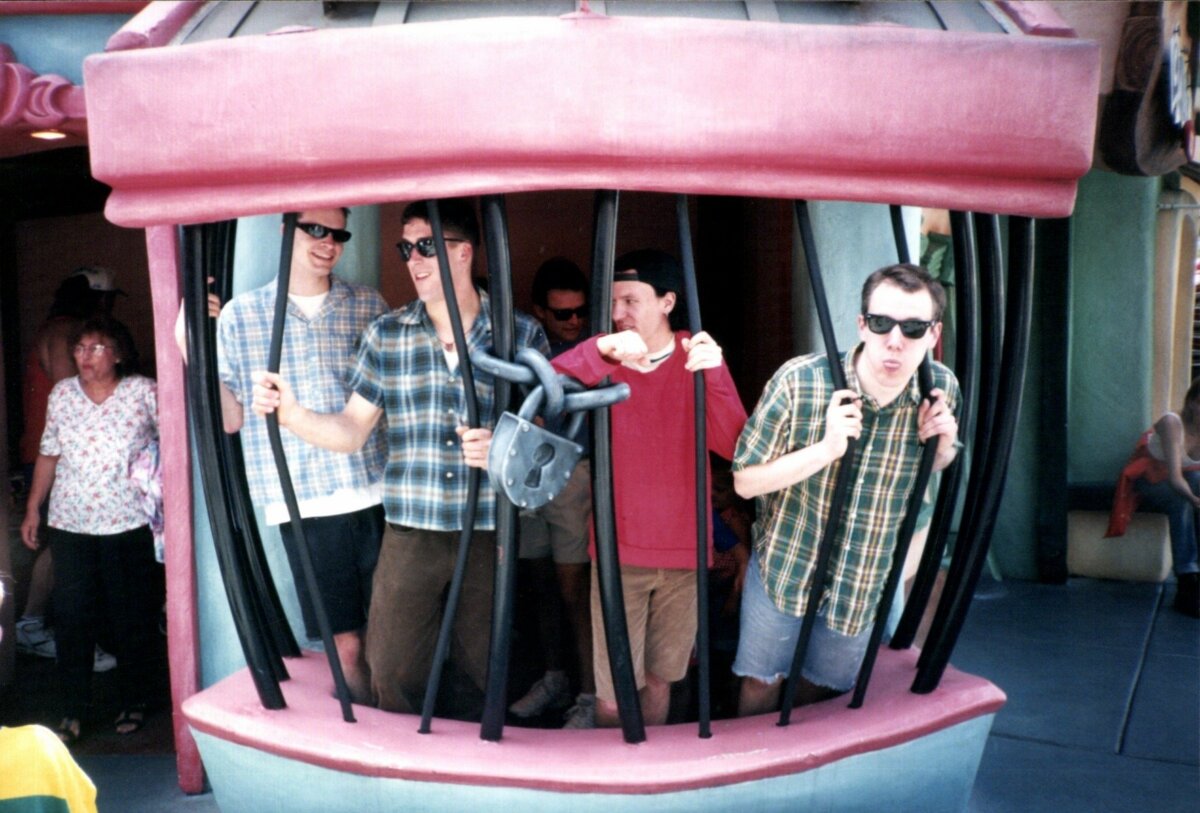
Heatmiser: A rare 1996 interview with Elliott Smith’s pre-fame band
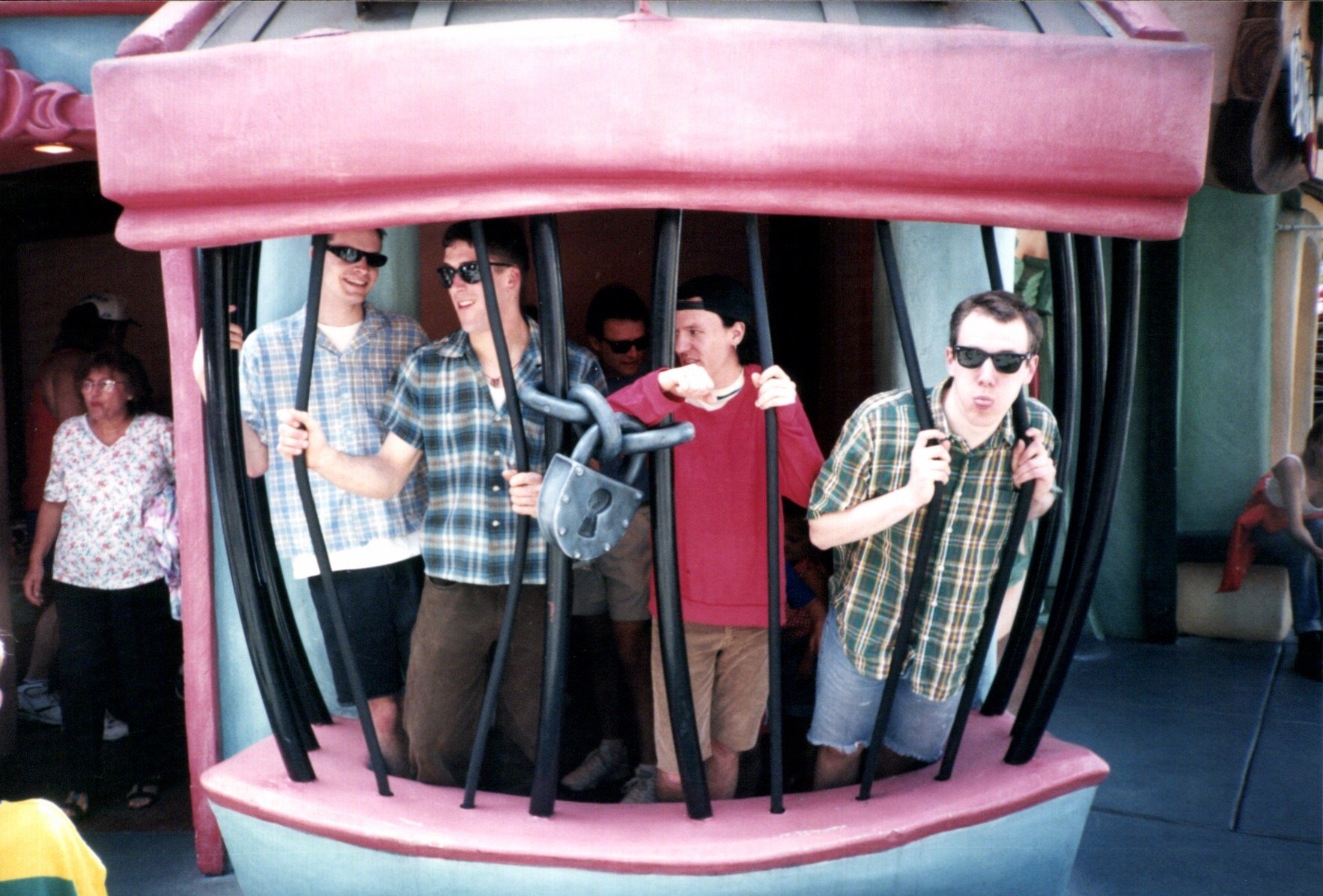
Long before he performed at the 1997 Academy Awards, songwriter Elliott Smith fronted a rock band called Heatmiser. The four-piece originated from an Elvis Costello cover group that Smith formed with fellow bandmate Neil Gust while attending Hampshire College in Amherst, MA. After graduating, the two moved to Smith’s hometown of Portland, Oregon, where the first lineup of Heatmiser formed. Drummer Tony Lash had played with Smith in their high school band Stranger than Fiction. Sam Coomes, one-half of the Portland’s Quasi, joined the group in 1994.
Heatmiser was as much nineties “Pacific Northwest indie” as exemplars such as Modest Mouse, Built to Spill, Death Cab for Cutie, and Unwound. Named after a hot-weather-controlling troll from the 1974 holiday special The Year Without Santa Claus, Heatmiser combined steadfast alt-rock and pleasant pop melodies with a biting edge of melancholic expression. The press often labelled the band as “queercore,” primarily due to co-vocalist Neil Gust’s homosexuality and his openness in songwriting. Many believe Smith and Gust to have been lovers.
Despite the “Smells Like Teen Spirit,” phenomenon that sparked a grunge cash-grab within rock music, Heatmiser never achieved much success. The group’s third and final record Mic City Sons was released on Virgin’s imprint label, Caroline Records in 1996. By that point, the success of Elliott’s solo records Roman Candle and his Self-Titled on Kill Rockstars had caused tensions within the band. Smith’s lack of interest in their music, among other pressures, led to a complete disbandment just days after signing with the majors. Mic City Sons, arguably the band’s best record, was released quietly as Heatmiser faded under the shadows of Smith’s burgeoning solo career.
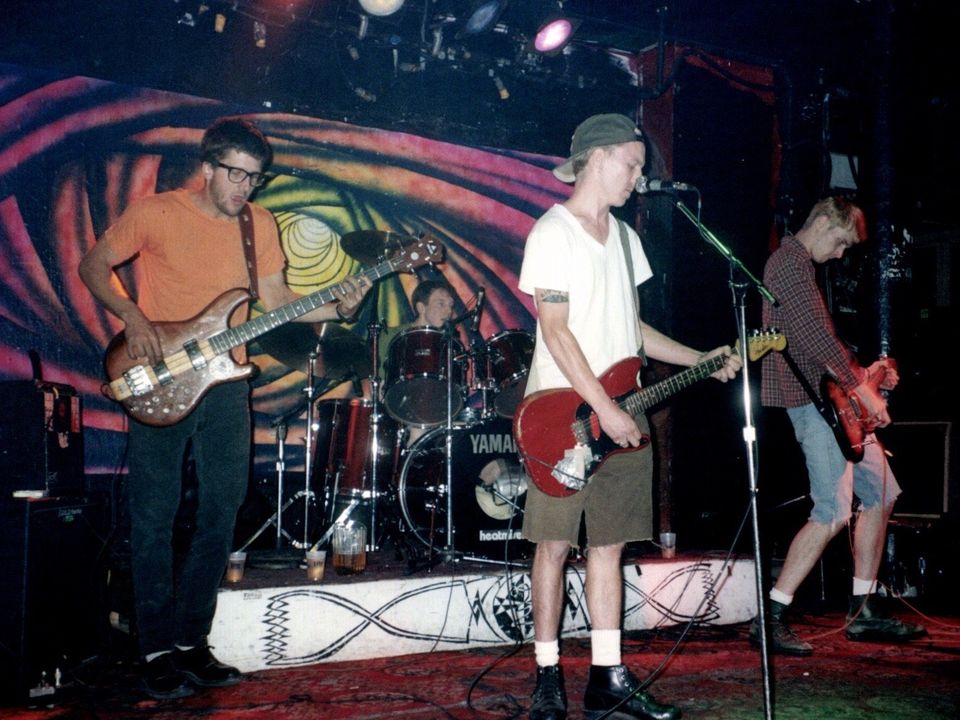
That same year, Smith was selected to be part of the soundtrack for Gus Van Sant’s film Good Will Hunting. The popularity of the movie gave rise to his solo career, thanks to a Oscar nomination for his song “Miss Misery” (which he lost to Celine Dion’s “My Heart will Go on”). The records that followed Heatmiser–Either/Or, XO, and Figure 8–are often viewed as Smith’s greatest accomplishments. Today, many regard Elliott Smith to be one of rock’s greatest songwriters, due to his thoughtful musicianship and vulnerable, heart-wrenching vocals. The music came from a place within his soul, where Smith continuously lived a conflicted life of depression and substance abuse. He often questioned ending his own life, and in 2003, Elliott Smith died by two stab wounds to the chest. The police have never officially ruled it out as a suicide.
Below watch a rare 1996 interview of Heatmiser on the Oregon cable program Prima Presents. This appearance is one of few existing of the band and was taped just prior to their breakup. The segment features questions on influences, testimonials by random patrons of interesting occupations, and the music video for “Why Did I Decide to Stay?”
Music video for ‘Plainclothes Man’
Music video for ‘Blackout.’ Originally aired on ‘Bohemia Afterdark’