Ralph Meatyard: The humble optician with a dark vision for photography
One of the great tragedies of the world of art and photography is how rarely people get to see their work celebrated.
Not just for the obvious reason either. Sure, most artists remain in obscurity. Despite the stereotype of the cynical artist desperate for mainstream recognition, real talk, most are happy to stay there. Focusing on nothing more than their own expression rather than trying to wring money out of a bastardised version of their vision. Those who are happy to stay in that lane are in a genuinely enviable position, but that’s not the only version of this fate.
There’s a far more tragic version of not being able to see your work celebrated. One shared by Vincent Van Gogh, Robert Johnson and Herman Melville. It’s when your work becomes some of the most celebrated of the age, influences countless acolytes and makes you a legend of your craft… After you’ve shuffled off this mortal coil. Far too many great artists have passed away before the world cottons on to their genius, and there are more than a few examples of this in the world of photography.
Vivian Maier, Robert Landsburg and Francesca Woodman all became famous and respected after their deaths, but just as worthy of reverence as any of them is Ralph Eugene Meatyard. While today, Meatyard is known for being one of the most evocative, unique and atmospheric portrait photographers of his generation, the man himself spent his too-short life working as an optician. His work in photography a beloved hobby until near the end of his life, and wouldn’t attain national recognition after passing away in 1972 at the shockingly young age of 46.
Who was Ralph Eugene Meatyard?
Born in the ironically named town of Normal, Illinois, Ralph Meatyard was raised in that state before joining the US Navy at the height of the Second World War. After finishing the training to be an optician he was entitled to thanks to the GI Bill at Williams College, he had married Madelyn McKinney and received a job offer that would involve relocating to Lexington, Kentucky. He may not have known it at the time, but this move was about to change Meatyard’s life even more than he thought it would.
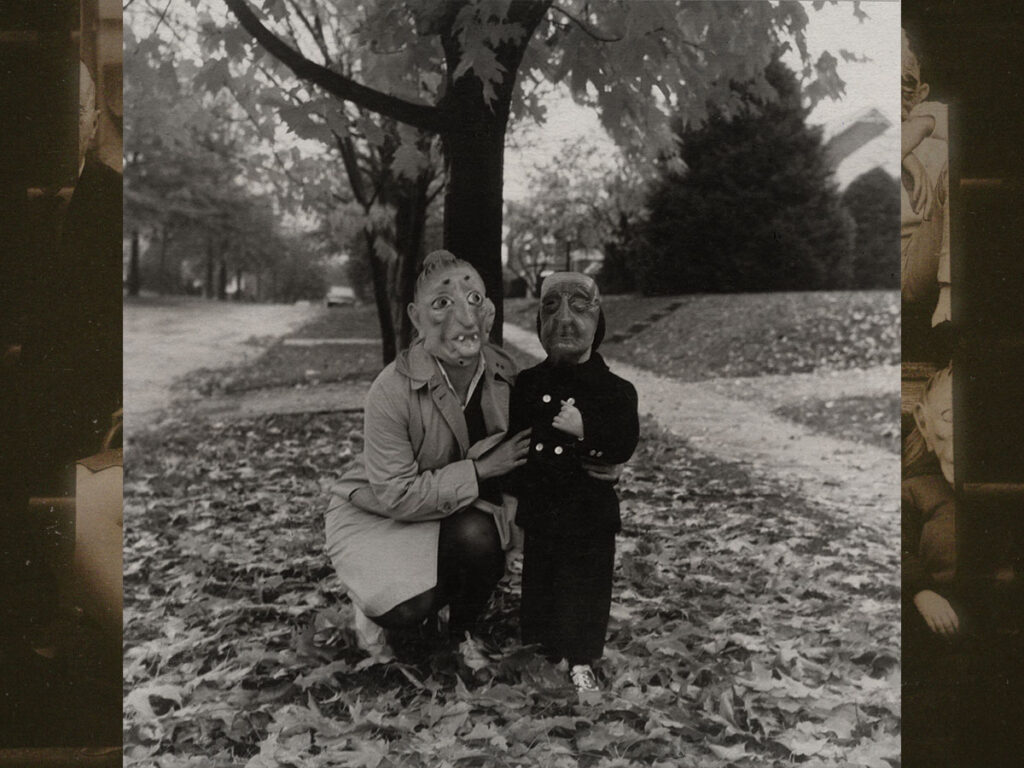
It’s true. The man was uprooting his entire life to a new state, but that wasn’t the most important thing about moving to Lexington. This newfound job security and happy family life allowed Meatyard to pursue his passion for photography. Once Ralph and Marilyn had kids, a number of family outings were spent heading out to the abandoned farmhouses in the Lexington countryside, where Meatyard would take photos of his family posed in front of them. Despite being taken during no doubt lovely family outings, these monochrome photos came out lonely, atmospheric and in some cases, downright chilling.
Photographing rural Lexington became a passion of his, to the point that his work was used to defend the area from corporate expansionism. When an area of Lexington’s Red River Gorge was purchased by the Army Corps of Engineers to be flooded and turned into a dam, he provided the photos for a book of the area written by fellow Lexingtonian Wendell Berry called The Unforeseen Wilderness. This book saved the gorge from destruction, and Meatyard would refer to it as one of his crowning achievements.
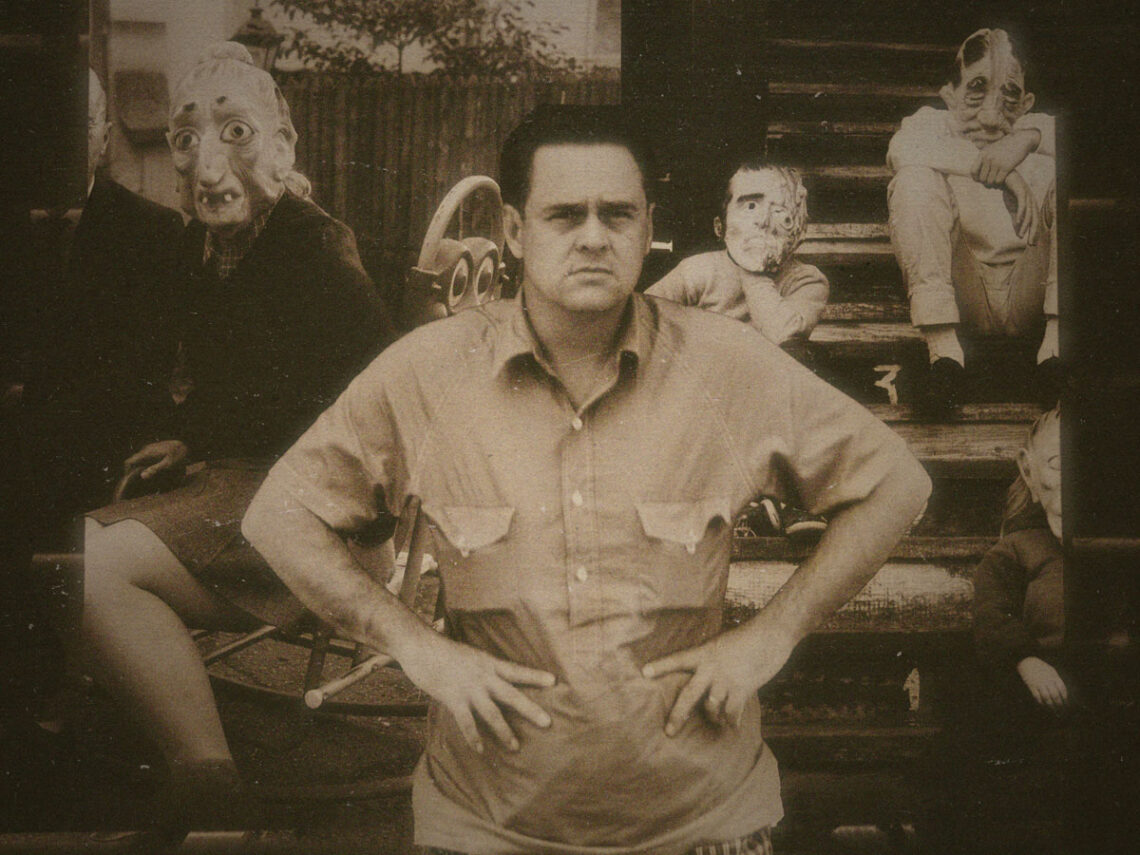
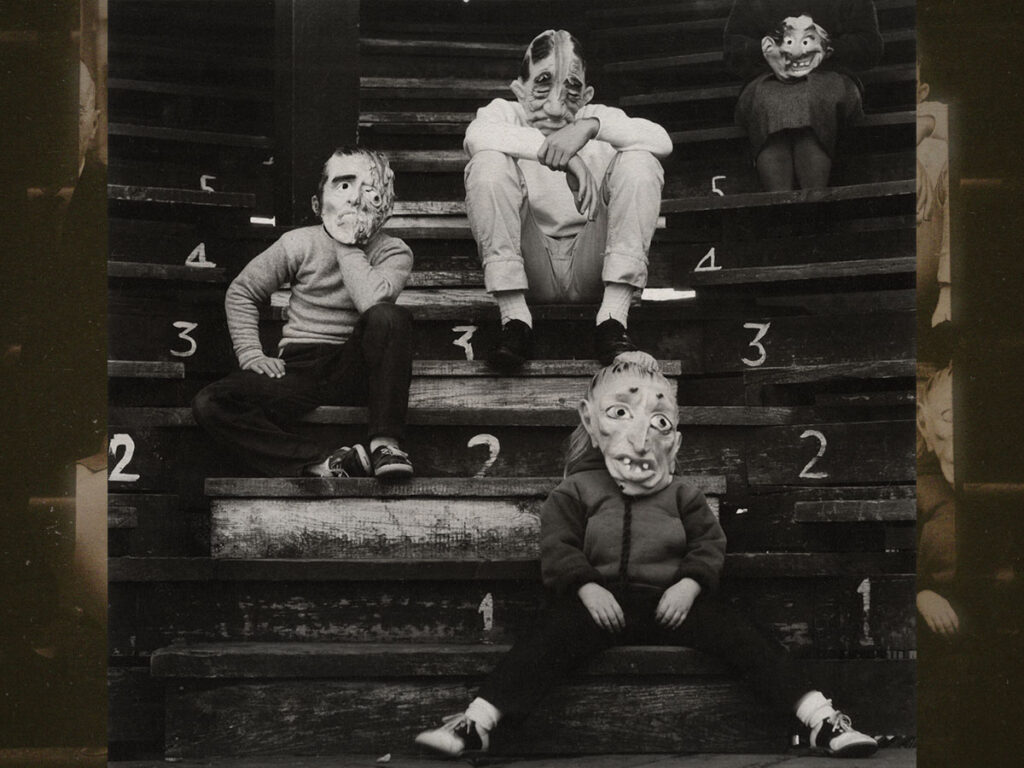
Throughout his life, photography was a hobby. After this book was published, his work began to receive national attention. Taking candid photos of his family had grown into organising full shoots, with family and friends donning Halloween masks purchased from Woolworths, and the results getting published in magazines and exhibitions across America. By this time, though, Meatyard had contracted cancer, passing away after a short battle with the disease.
The work of Ralph Meatyard is still as intoxicating as it is disturbing to this day. A photographer who truly captured the spirit of American Gothic in their work. Long may his influence last.