


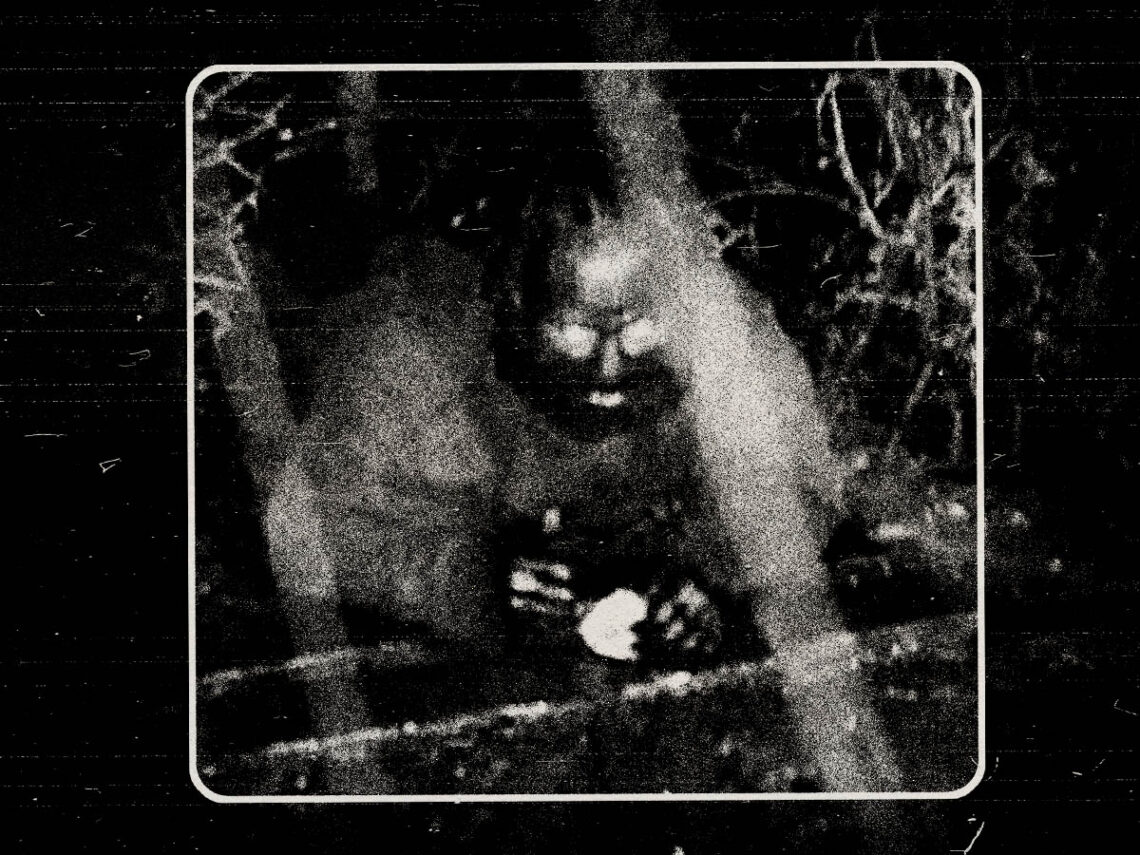
Is the grim legend of the Cat Man of Greenock actually true?
The internet has ruined a lot of things. The high street. The music industry. Democracy as a whole.
However, one of the things that the Internet has obliterated in a way we may never get back is the idea of the urban legend.
Many have commented that the whole idea of anything having mystique in general has gone the way of the dinosaurs these days. How can mystery and legend stand a chance when we have social media broadcasting the innermost thoughts of all and sundry directly into our overstimulated cerebral cortexes, moment after moment? Perhaps even that’s a thing of the past nowadays as well; however, now that literally everything we see online could quite easily be AI. One hell of a curl of the monkey paw’s finger, I’m sure you’ll agree.
Yet despite that, the presence of the entire width and breadth of human knowledge in our pocket still continues to snipe urban legends right where they stand. Absolutely no rumour of mutant alligators living in the sewers of New York City or portals to another time in Liverpool lasting longer than an incredulous Google search or visit to the Snopes website. Or so it would seem. As there is one urban legend emanating from the Scottish coastal town of Greenock that, try as I might, I can’t quite put my finger on.
One that surely can’t be true, and had seemingly been proven to be nothing more than a way of scaring particularly easily led neds in the 1970s and 1980s. Then the strangest thing started happening. In the early 2000s, some truly disturbing photos started surfacing. Stark photos of a particular kind of urban horror that seemingly answered a question that burned through the minds of scared kids in the Scottish lowlands for decades.
Was the Cat Man of Greenock actually real all along?!
Who or what is the Cat Man of Greenock?
The legend began decades ago.
An unhoused man, covered from head to toe in thick, black mud, lived rough in the parks, wooded areas and back alleys of Greenock. He was harmless to humans, but seemingly lived on a diet of rats and whatever any kind soul would leave out for him from a supermarket close to wherever he was calling home that evening. He never spoke, seemingly unable to communicate, and what’s more, he couldn’t seem to stand either.
He could crawl with unnerving speed, though. His legs bent into unnatural shapes as he scurried across the ground to get out of the driving, icy Scottish rain. The most common origin story for the Cat Man is that he was a Russian sailor who docked in Greenock and, on one deeply unlucky night on solid ground, fell afoul of a street gang. Said gang beat him badly, breaking both his legs. Unable to learn the language, he lived rough and seemingly went native. Gaining the name “cat man” for the feral litter of cats he supposedly lived with for years.
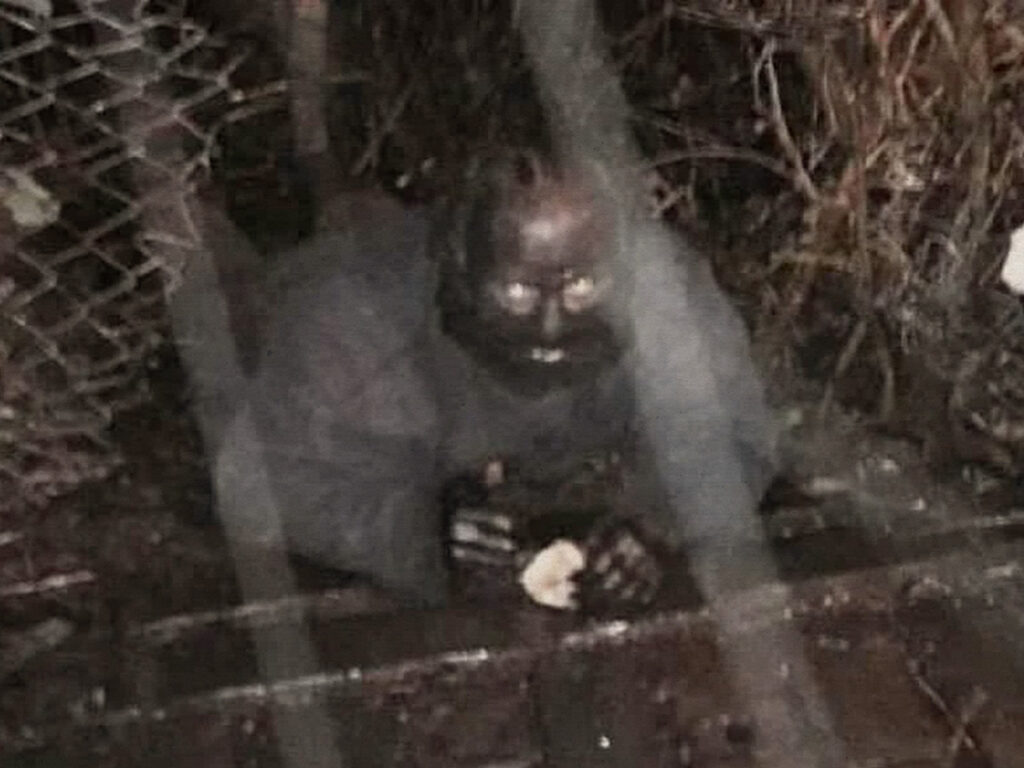
It would have been very easy to write this off as a scare story until the part, desperately sad, part nightmarish videos started circulating. Ones that seemingly showed the Cat Man in all his glory, dead rat hanging from his chops. They also showed a typically Scottish blasé attitude to the whole thing. With the people taking the videos saying nothing more than a casual “alright, Cat Man?” to the sin against nature splayed out on the floor mere feet before them.
However, videos can be faked and staged. What is truly keeping the legend of the Cat Man alive and well are the real heroes of urban legends, the people. Scottish people have been putting a traffic cone on a statue of the Duke of Wellington’s head since the 1980s. If anyone can commit to the bit, they can. Thus, if you actually ask any true Scotsman about the Cat Man, you’ll get the same answer, no matter where they’re from.
Aye.