


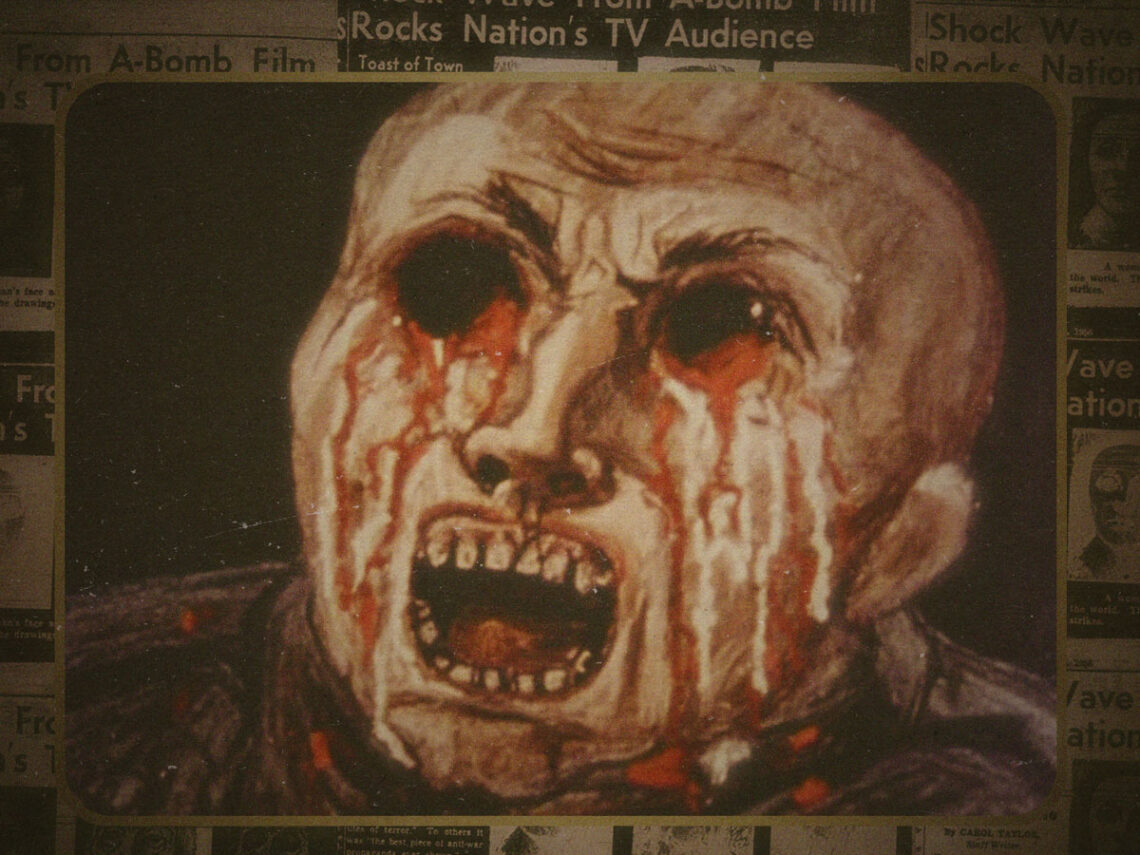
‘A Short Vision’: how to make a cartoon about nuclear war
For real, though, how do you talk about the apocalypse?
It’s a sad state of affairs when one has to work out how to do that, and, at a time when the world seems more infiltrated by fascist psychopaths than ever, it’s a conversation that more people have to have than ever.
On the one hand, you have to talk about it in a way that doesn’t make you sound like you’re panicking. After all, if you sound like that, people disregard you even if you’re a hundred per cent correct. In some cases, especially if you’re a hundred per cent correct.
On the other hand, you also can’t sound too unmoved by the whole thing. People respond to human emotion. Considering that one of the most successful talking points put forth by said fascists is how people are “done with taking orders from experts”, you have to talk in language people understand in order for your message to sink in. So, you have to find a balance between sentiment and facts, so how do you do that?
Perhaps you go with a method that was first put forth by Joan and Peter Foldes in 1956. At a time when the threat of nuclear armageddon was more present than ever, they made a short film to educate on what would happen if the bombs went off and the worst were to happen. While several very important people wanted the world to think that it would be little more than an inconvenience we’d all shrug off with time, the Foldes knew better and wanted people to know the same.
They went about letting people know in arguably the best way possible. Talk to people like you’re talking to children.
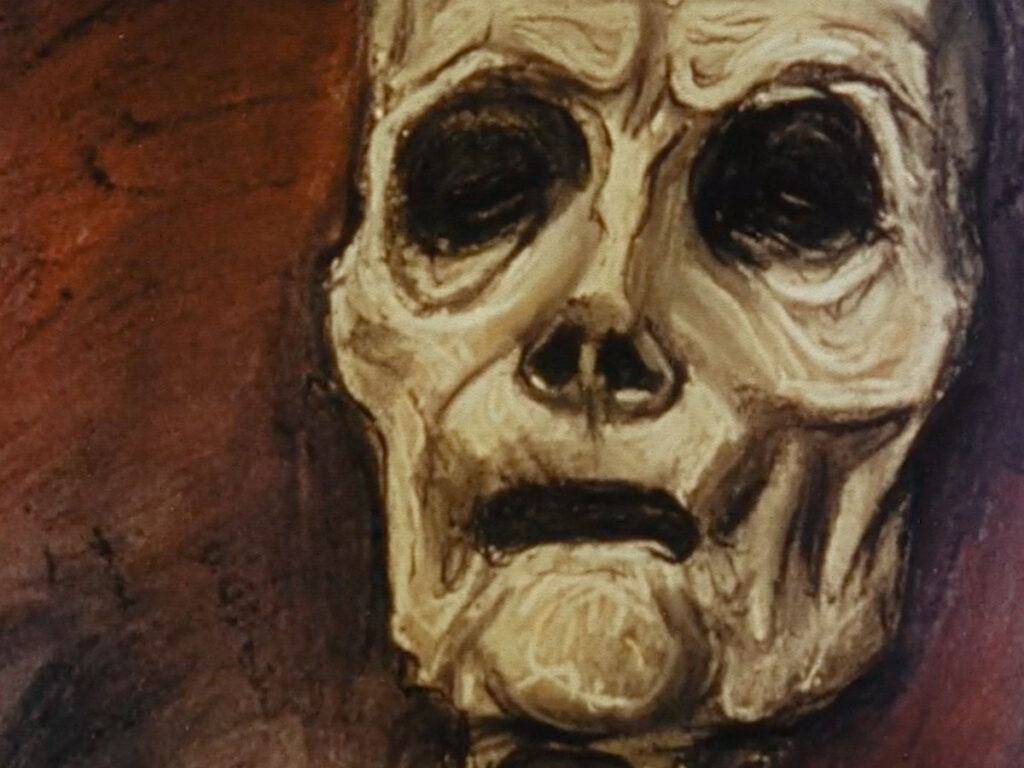
How did A Short Vision talk about Nuclear War?
Peter Foldes was an animator and director originally born in Hungary. After working on a job in Australia, Foldes spent the boat ride home composing a poem. One that, with the help of his wife Joan, he turned into a short animated film via a grant from the British Film Institute’s Experimental Film Fund. This film was called A Short Vision and concerned itself with “It”.
“It” is a haunting black shape in the sky that animals hide from as it flies overhead into a city. “It” then drops fire onto said city as everyone sleeps except for those who sent “It” out. However, everyone is annihilated by “It”, whether they’re sleeping or awake, and whether they sent “it” out or not. Nothing is left of the city, or the mountain, or anything that surrounds it except for flame, the kind that “It” dances around like a moth before being enveloped by it too. Then, the flame dies, leaving nothingness in its wake.
The film is still terrifying despite its animated nature. In fact, its status as a cartoon allows it to be seen by and understood by any audience, young or old. It was that fact that led to it being aired during the episode of The Ed Sullivan Show of May 27th, 1956, one that Sullivan himself encouraged audiences of all ages to watch. This is still probably the only way to talk about the nuclear apocalypse without any bad-faith actors arguing against it.
However, bad faith actors will argue against anything, even if it’s simple enough to be understood by a child, and now they’re in charge. God help us all.