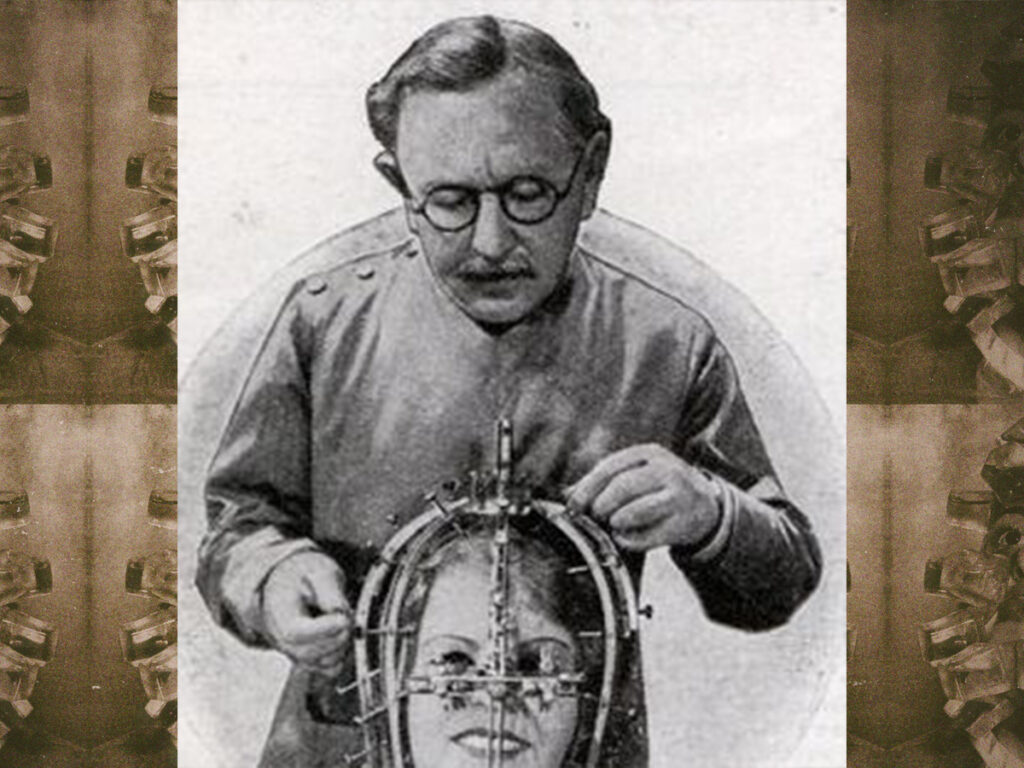
The bizarre hangover mask created by Max Factor
When the company Max Factor brags that their wares are “the make-up of make-up artists”, they’re not kidding. Rather than coming from the world of cosmetics or beauty, the company was founded in the world of theatre.
Max Factor’s founder, Maksymilian Faktorowicz, got his start as a wig maker and cosmetician to the Russian Grand Opera. In 1904, he and his family upped sticks to the United States from Russia, fearing the uptick in anti-Jewish persecution in the country.
After anglicising his name to Max Factor, he eventually settled in Los Angeles, California, to provide his considerable talents to the up-and-coming film industry taking shape there.
The business was so young that the creators were still essentially theatremakers given a set of cameras and told to try their best. However, a number of the theatre techniques they were trying to put on film simply weren’t working. One of the biggest issues was make-up.
The greasepaint used for the stage just wasn’t translating to the screen, so Factor set to work making a make-up formula that worked on screen. He completed his formula in 1914 and, in doing so, arguably changed the face of film forever. Figuratively and literally.
Factor’s children entered the industry as well decades later, and obviously had a tough act to follow in the form of their father. However, his son Francis would have the biggest effect on his legacy. He was the one who suggested that his father expand the family brand from the film industry to the beauty and cosmetics industry at large. While his father was against the prospect, he was reluctantly talked into taking the jump in 1927. After Max passed away in 1938, Francis changed his name to Max Factor Jr and expanded the brand even further, turning it into the make-up juggernaut we know today.
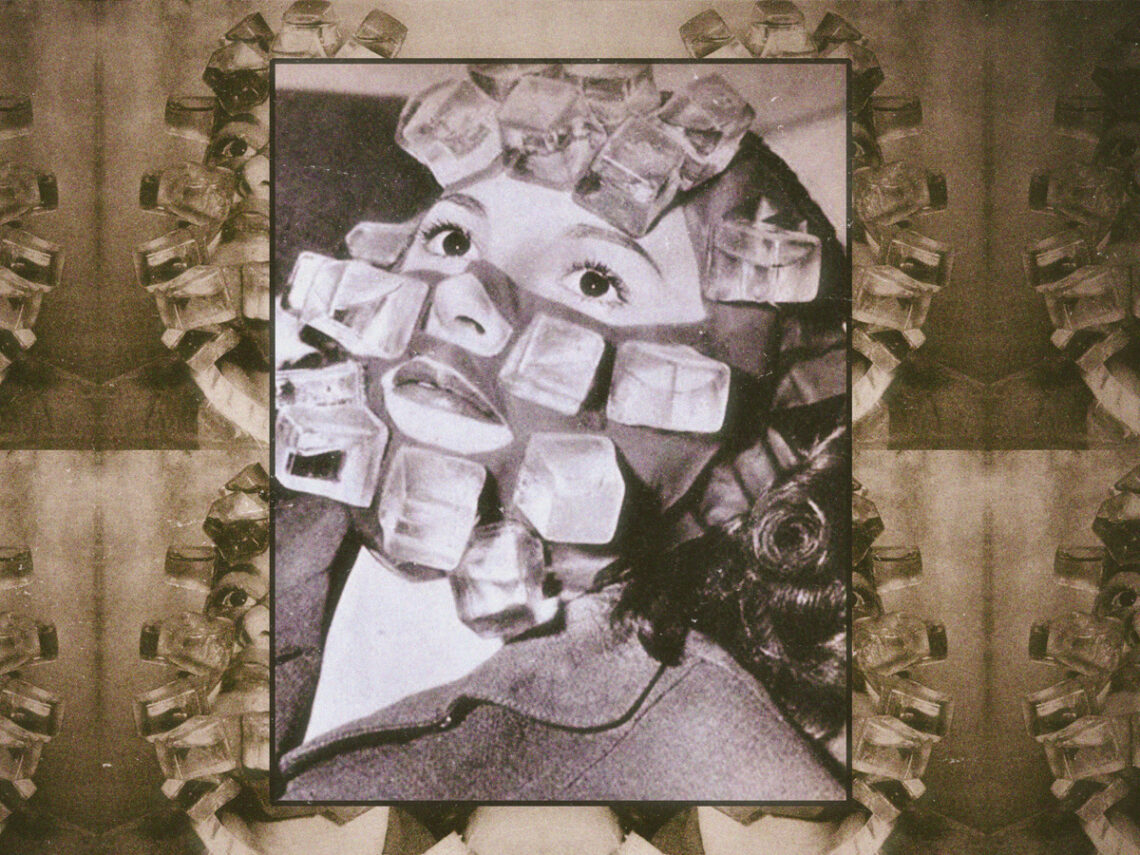
Perhaps Factor Jr was better served behind the scenes anyway. While he was hard at work as a make-up artist, he’d tried many times to do as his father did and invent something that would revolutionise the industry. The most infamous version of this was the so-called ice mask that he tried to popularise in 1947. The idea behind it isn’t bad. Make-up runs, especially in hot areas like film sets or location shoots, both of which involve a lot of hanging around and waiting in said hot areas.
Factor Jr’s idea was to make something that could cool down a face of makeup and decrease the need for constant touch-ups and reapplication. It was also sold with a more practical purpose in mind as well, as something that can rejuvenate a tired face or cure a hangover within five minutes. As someone who has suffered from migraines since childhood, I can see why the idea of this mask would be a pretty engaging one.
Unfortunately, in practise, this big idea ended up being little more than a mask with about 20 ice cubes attached to it. Making the poor wearer look like one of those side characters from The Mighty Boosh, where Noel Fielding sticks a bunch of blue squares to his face and calls himself “Monty the Winter Wizard” or something.
Some people have all the ideas, some people have all the business acumen. It’s safe to say which category Max Factor Jr fell into.