


Bombsite: the town built for the atomic bomb
13,000 people live in Los Alamos, New Mexico, according to the 2020 United States census.
This might not sound like that strange of a sentiment to those who don’t know the history of the area. After all, small towns in northern New Mexico are a dime a dozen. Imaginably, they are filled with young people desperate to get out and retirees happy to have a quiet place to see out their latter years.
However, none of them shares the history of Los Alamos. None of them has the blood on its hands that Los Alamos does, and considering the history of small-town America, that’s saying something. After all, these “sleepy little towns” are the product of colonialism, and white people raising native settlements to the ground in the name of manifest destiny. Despite that, Los Alamos still stands apart as a town built on the backs of untold suffering.
Something was built in Los Alamos. In many ways, something was born there. Something simultaneously insidious yet whose threat is a clear and present one to the entire world. In fact, Los Alamos was built in order to bring that thing to life. Something that should never have been made but was forced out of its creator as a way of keeping him and his people from total extermination. Yes, Los Alamos was the birthplace of the atomic bomb.
More than that, the town has a symbiotic relationship with arguably the most dangerous weapon humanity ever created. Initially, what started as a laboratory created for J Robert Oppenheimer and the Manhattan Project grew into a place that over 13,000 people call home, go on dates, fill out forms, buy Tylenol, normal people stuff that wouldn’t have happened were it not for one of the true scars on the conscience of humanity.
So, how did it all begin?
The history of Los Alamos
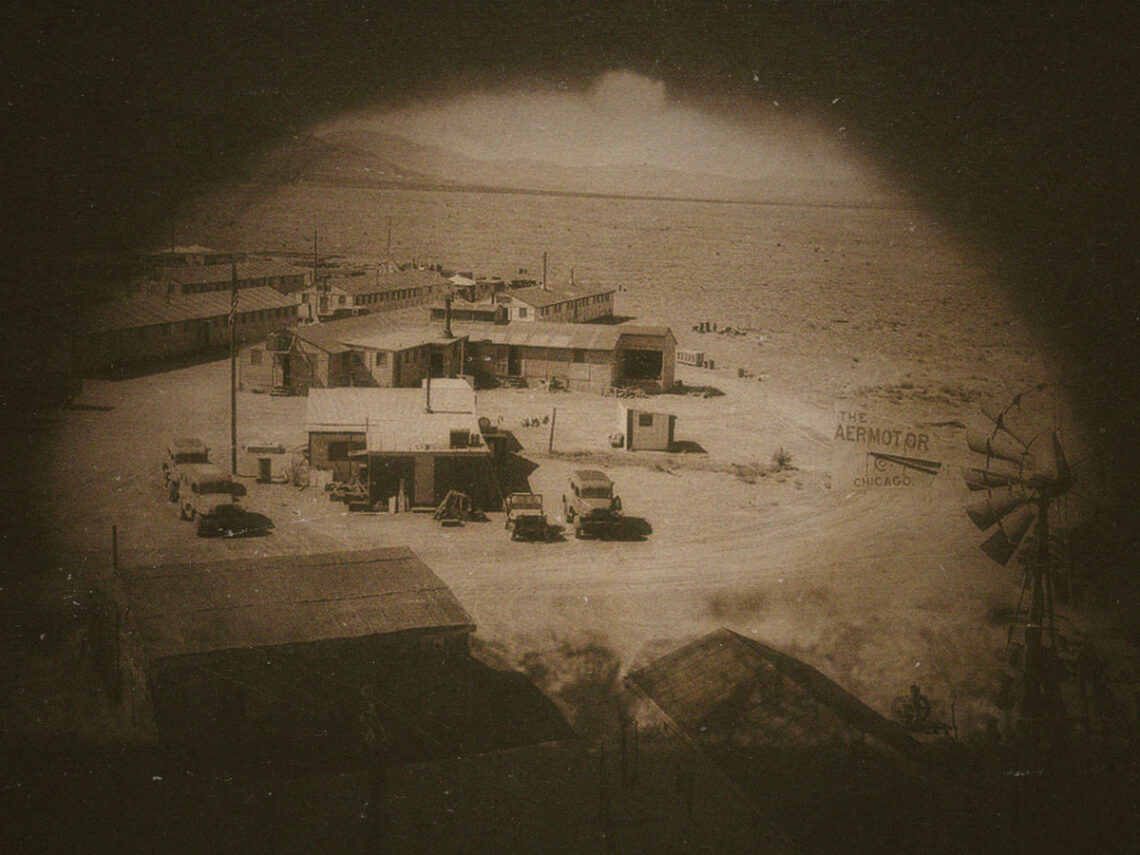
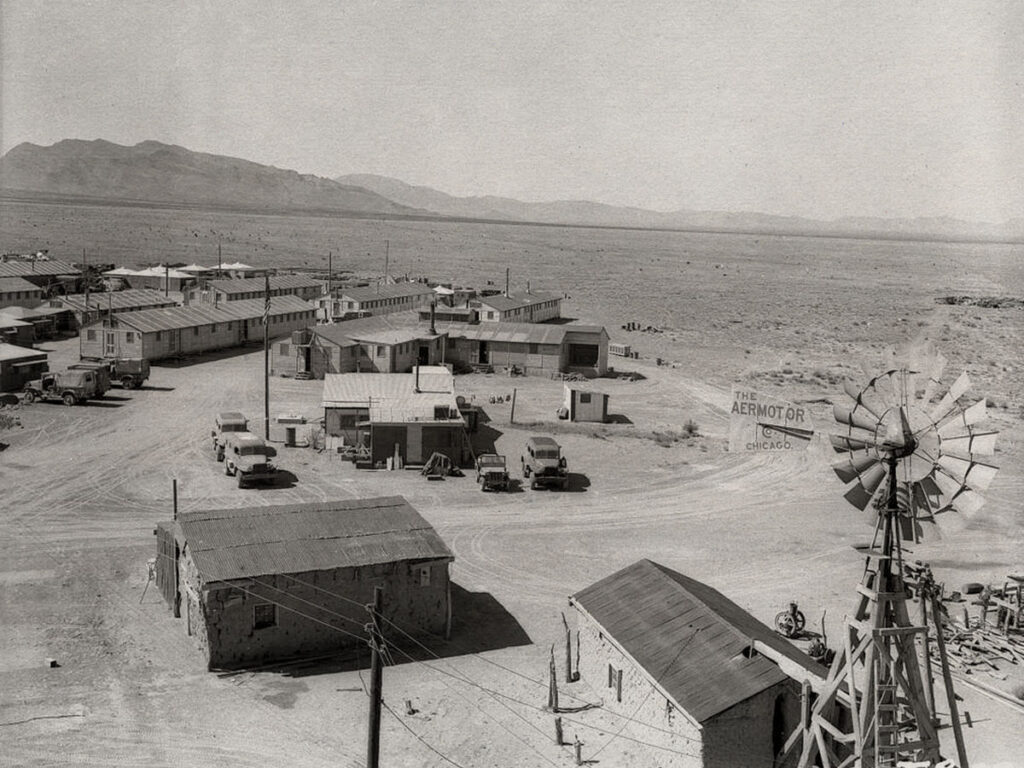
There was actually activity in the area before the Manhattan Project. The scheme needed lots of wide open spaces with as few signs of life as possible, but it also needed to maintain the people working on the project. Thus, it did need to be habitable, hence why organisers headed for the Los Alamos Ranch School. It was a school built into a few log cabins built by homesteaders in the late 19th century, that sought to teach young men basic ranching and other survival skills.
Then, in 1943, the United States Department of War exercised eminent domain over the ranch so that it could become the home base for the top-secret Manhattan Project. From then on, the site was known only as Site Y and was arguably the most closely guarded secret in the US military for the rest of the Second World War. That was until it was revealed to the world in the most devastating way possible in August 1945.
After that, the United States officially revealed its location and renamed the site the Los Alamos National Laboratory. In 1957, enough security perimeters had been pulled back to allow civilians to visit the laboratory, and from then onward, Los Alamos started to become less of a laboratory with a town attached to the end and more of a town, period. Today, the town is the fifth-largest growing economy in New Mexico and is only growing stronger.
One wonders how many people growing up there have truly reckoned with the cost of their hometown.