


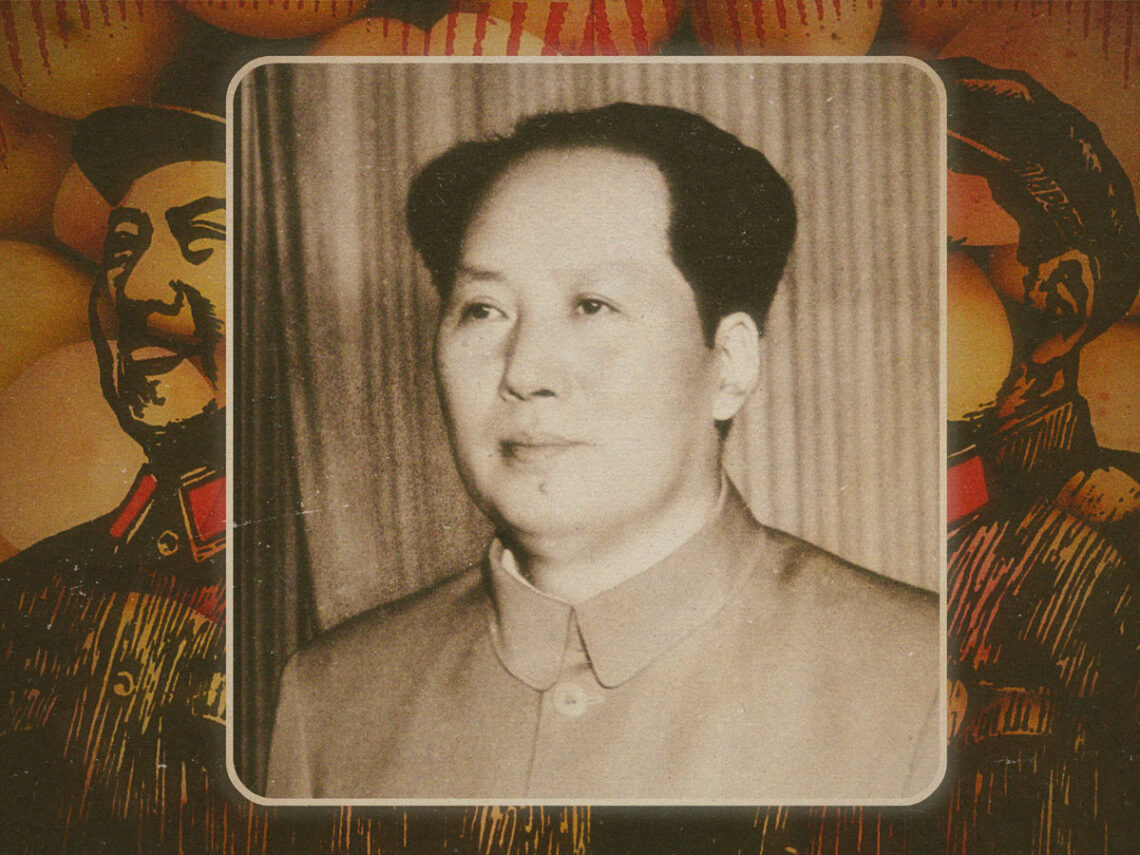
Chairman Mao and his bizarre cult of mangoes
So…how exactly is a cult made?
It should be a fairly simple answer, right? Surely you just need a whole bunch of gullible people, a place to put them all in, and some higher power for them to all worship? Put a big statue of Pazuzu in the middle of it, and a few rooms for fucking and/or ritual sacrifice, and Beezlebub’s your uncle, now all you need is your city’s finest robe dealership, and you’re set. Well, not quite. More than anything else, a cult begins with the person right at the very top.
That’s the really terrifying thing about them to me. Not grand ideas of vast conspiracies with thousands of people all committing themselves to the same lesser-spotted biblical demon, but the fact that all it takes is one charismatic person telling the right people to do something, and there you go. Suddenly, the toothpaste is out of the tube, and there’s no hope in hell of getting it all back in, even if on the surface it’s over something as frivolous as a type of fruit.
Because that’s the level of influence that one charismatic person with the right status can have. That’s not an exaggeration either, an errant gift of mangoes in August 1968 spiralled into an outright worship of the fruit, not just as a delicious, sweet treat, but as a symbol of your devotion to your country and its great leader. A strange thing to stem from a gift of fruit, but when the person who gave that gift is literally Mao Zedong, there’s no telling what insane consequences that can come from it.
The story begins, as most things do in Mao’s China, with the fallout from the Cultural Revolution.
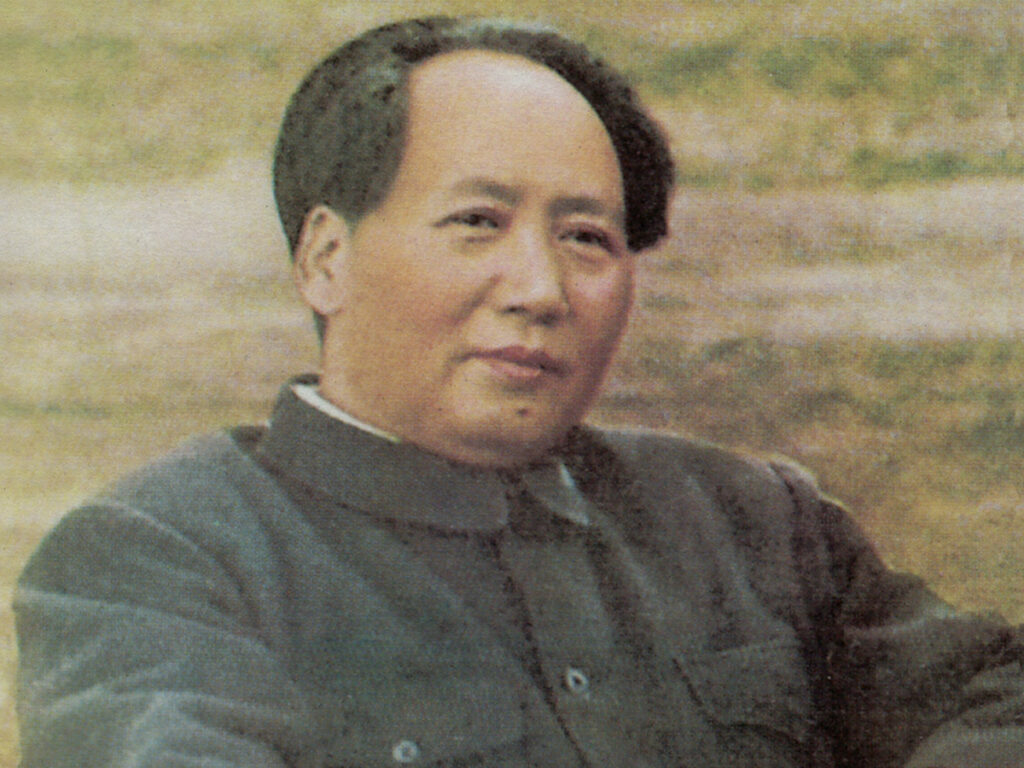
Did a cult really spring up around mangoes?
In the aftermath of the Cultural Revolution of 1966, the one thing every supporter of Mao could agree on was that Mao Zedong was the right leader for the country. The issue was that there were several different schools of thought on how to act on that worship of him. These were hills that people were willing to kill and die on, and in the spring of 1968, the Hundred Day War erupted as a direct result of Maoist groups disagreeing on how best to serve their leader.
This was a conflict that began in Tsinghua University, and when no resolution seemed to be coming by the summer, Mao sent 30,000 factory workers to shut the conflict down in response. This force, which Mao dubbed the Worker-Peasant Mao Zedong Thought Propaganda Team, was stationed in the university and lost several men trying to keep the conflict under control. At the same time, Mao hosted Mian Arshad Hussain, the foreign minister of Pakistan, who brought along a gift of Sindhri mangoes for the chairman.
Mao immediately sent the box directly to the workers stationed at the university. His refusal to eat them before his workers caused a national sensation, and thus, mangoes became a symbol of Mao’s gratitude to his workers and his country as a whole. For the next half-decade, mangoes became one of the most sought-after products in China, with the fruit being stored in formaldehyde as a keepsake, images of it being worked into art celebrating the chairman, and even gigantic floats shaped like baskets of mangoes being paraded down Tiananmen Square.
The dark side of this was the same as with every cult of personality. It was built on an all-encompassing fear of being seen as not celebrating the great leader enough. People who were indifferent to the fruit or saw its veneration as a bit much were punished as counter-revolutionaries plotting Mao’s downfall. One can see this by the fact that the moment Mao died in 1976, everyone stopped caring about mangoes. The cult suddenly disappeared without its leader, funny that.
Think of that the next time you regift something, you never know what could happen next.