


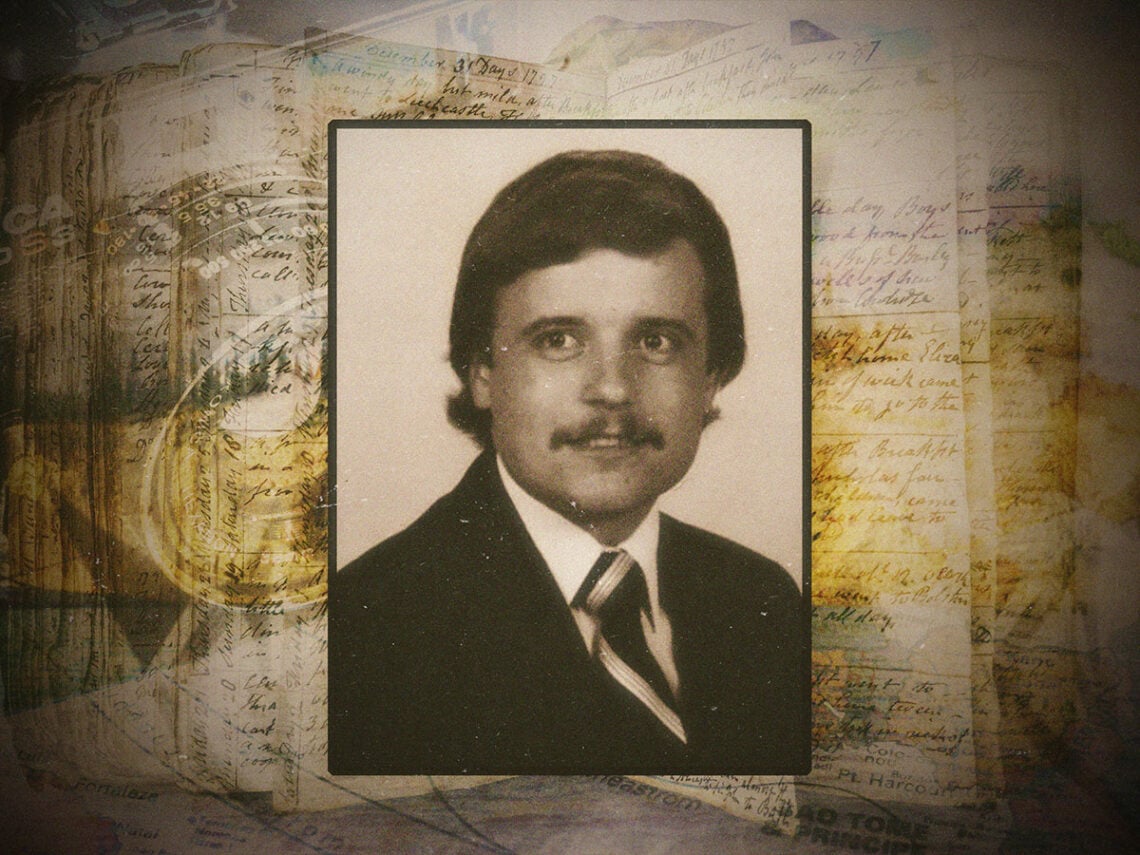
Into the Wild: the final diary entry of Carl McCunn
When you think of dangerous hobbies that risk your life every time you try them, photography isn’t one to come to mind, but the family of Carl McCunn will tell you otherwise.
He’d tell you himself, but unfortunately, he can’t.
Born in Munich to a father who was stationed there as part of the United States Army, he moved around a lot during his upbringing before finally settling in Anchorage, Alaska, as an adult. After four years spent serving in the military like his father (this time in the Navy), McCunn found his calling as a wildlife photographer, and a very good one at that.
Knowing that some of the most breathtaking images in the natural world could be found in his own state, he paid a bush pilot to fly him to a remote lake 225 miles north of the Alaskan city of Fairbanks in March 1981, when he was 35 years old.
The plan was to spend a whole summer living in the wilderness, photographing it until August, when he’d chartered a plane ride home…
McCunn was no fool, and he’d packed more than enough supplies for the trip, not only bringing along 500 rolls of film, but two guns and 1400 pounds of food, mostly rice and beans. The opening months of the trip seemed to feel like paradise, and sure, the starchy diet was a bit much, but that was nothing he couldn’t supplement with a few freshly-caught fish.
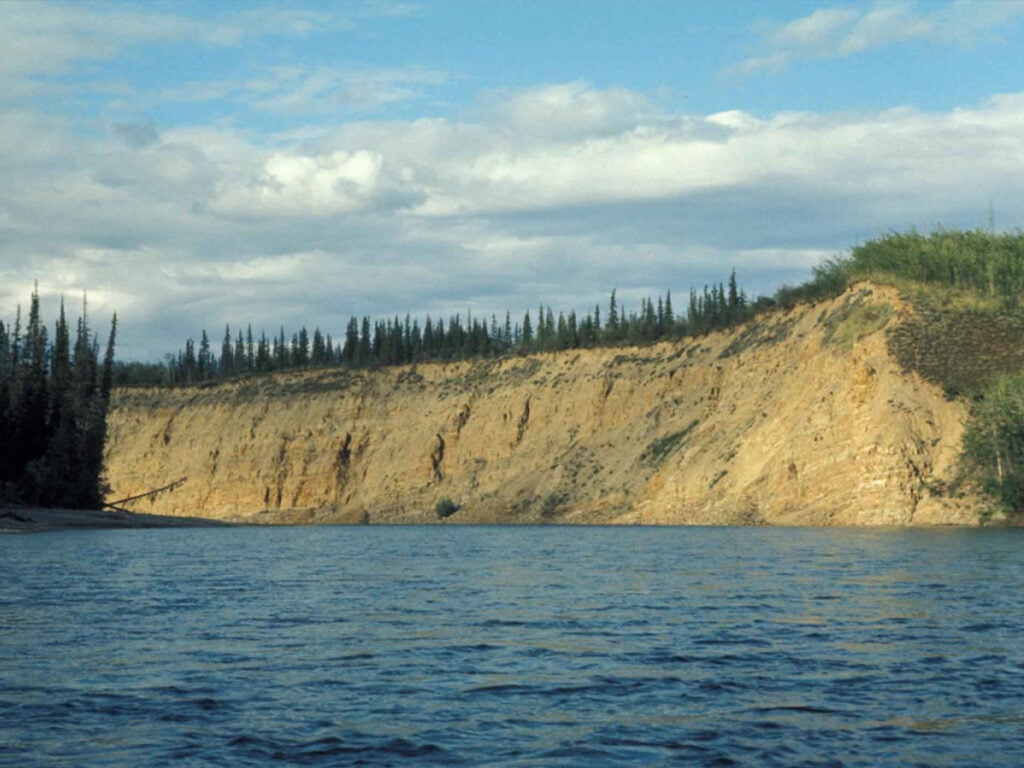
In fact, McCunn felt like he’d overpacked, chucking five boxes of shotgun shells into the lake as he felt a little ridiculous having that much ammunition on his person. If you feel like that’s foreshadowing, you’re absolutely right.
It was a wonderful summer, if the diary McCunn kept was anything to go by, but by the end of July and the start of August, he was more than ready to go home. The season was changing, and Alaskan autumns hit like winter most places in the world, especially where McCunn was.
It wasn’t the end of the world, though. Supplies were running low, but he would be picked up soon, so not to worry, except the plane that McCunn chartered never arrived. McCunn waited, and waited, and waited – his supplies depleted ever further, and the rain and snow began lashing down, but no one arrived.
Suddenly, those five boxes of ammunition that he’d thrown into the river came back to bite him. McCunn eventually couldn’t hunt for sustenance because of his dangerously low ammunition supplies, not to mention the frostbite eating away at his fingers. This is when the most depressing part of the whole story comes, as McCunn was actually found by an Alaskan State Trooper. His friends and family knew where he was and were getting worried about him, so they got word to the state troopers, who sent Trooper David Hamilton over to check on the area.
McCunn wrote about sending the plane in his diary, saying, “I recall raising my right hand, shoulder high and shaking my fist on the plane’s second pass. It was a little cheer – like when your team scored a touchdown or something. Turns out that’s the signal for ‘ALL OK – DO NOT WAIT!’ It’s certainly my fault I’m here now!… Man, I can’t believe it… I really feel like a klutz! Now I know why nobody’s shown up from that incident.” As far as the authorities were concerned, McCunn was fine. He was not.
Autumn became winter. The lake he was salvaging his food from froze over. Mammals hibernated. There were only so many half-eaten kills from birds of prey lying around that he could scavenge from. He was driven to eating tree bark until his fingers got so weak from frostbite that he couldn’t pry it off. Careful management of his supplies could only take him so far, and by November, he was fresh out. He decided to end his life there, writing his chilling final diary entry as a suicide note.
He added, “If my body has been eaten on or if it turns out I take my own life … just put me under a tree so I can at least make a decent meal for some critter. I don’t want my family to see me that way. They’ll be hurt enough as it is. Should I crazily attempt walking out in my condition and am nowhere to be found, please carry out the above. I kindly thank whoever may do so!”
After that, he placed a private note to his family next to him apologising for his “weakness”, then used the last bullet he had to end his life.
Carl McCunn was found in February 1982. In a story as dark as this, you need all the light you can get, and while the fact that his family got closure on his fate is a small bit of cold comfort.