


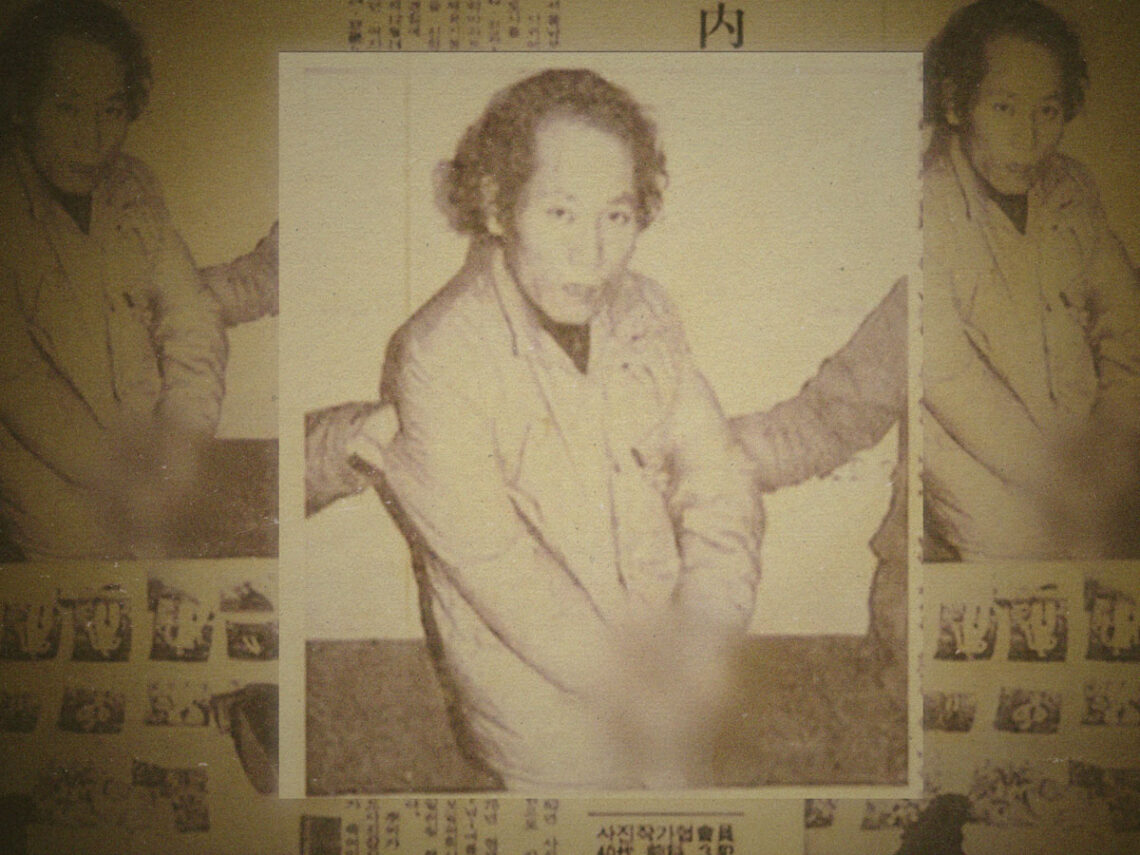
The horrific story of South Korea’s “death photographer” of 1982
In 1960, up-and-coming British movie director Michael Powell nuked his promising career by making Peeping Tom – not because the film is bad, you understand, it’s considered a masterpiece now… No, the reason that it essentially ended Powell’s career was its truly horrific premise.
The film was about a serial killer of women who captured his victims’ dying moments on film for his own pleasure. This is a synopsis that would be considered pretty gruesome today, and it was being released before Alfred Hitchcock redefined what a horror picture could get away with in Psycho. A film that absolutely shouldn’t exist without Peeping Tom, just by the way. People were utterly scandalised by the film’s mere plot, and it didn’t get any better when people went to see it.
To most people, it was an exercise in sheer perversity. Nothing more than filth, plain and simple. There was nothing real, nothing life-like in it. It was simply a gross little oik plundering the depths of his depraved imagination and putting it on screen. Absolutely nothing that resembled this masturbatory waste of time could or would ever happen in real life, people just weren’t like that and never would be, so the movie-going public thought.
Actually, it took about two decades before someone did pretty much exactly the same in real life. There are a few differences. Rather than being captured on a modified video camera, the victims of the real-life Peeping Tom killer were captured on photographs. Rather than taking place on the dark streets of London, these particular crimes were taking place in Seoul, South Korea. Most of all, these murders weren’t being carried out with a modified camera whose tripod contained a hidden blade.
Lee Dong-Sik preferred to use poison.
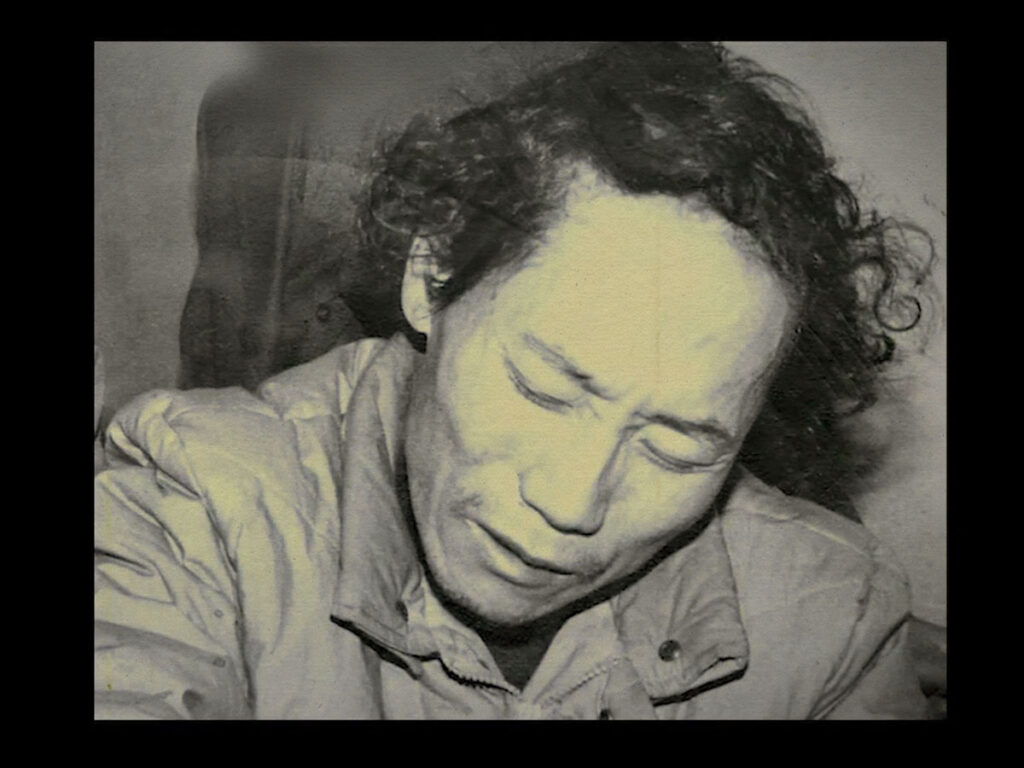
Who was the “Death Photographer” of South Korea?
The story began when the body of Kim Kyung-Hee was found in Hoamsan Mountain in Guro-Gu, on the outskirts of the capital city of South Korea. The circumstances of her death were bizarre. She was found way up in the mountain, naked, but with no signs of struggle or sexual assault on her. The cause of death was poison, and with no other clues to go on, her death was nearly ruled as suicide until police began investigating her place of work.
Kyung-Hee worked in a barbershop and had been spotted talking to one of its clients, Lee Dong-Sik, about modelling for some of his photography, Dong-Sik was immediately investigated, and despite denying any knowledge of Kyung-Hee’s death, his house was searched thoroughly, and in a horrible way, the police couldn’t have asked for better evidence than the kind Dong-Sik made himself – the cops found the series of photographs that he’d taken of her dying, and he confessed to the whole thing shortly afterwards.
Dong-Sik had been something of a photography prodigy when he was younger. Yet as he grew older, he found he was no longer excited by anything he was working on. What intrigued him was the concept of capturing death on film. After finding that having a mistress of his play dead on camera wasn’t quite the same thing, he decided to capture the real thing. Convincing Kyung-Hee to join him on a mountain photoshoot, giving her a cyanide pill and telling her it was for the cold.
Dong-Sik was sentenced to death for the crime and was executed in 1986 at 46. A sign, if one was needed, that whether it’s in England, or South Korea or anywhere in between, real life can always be just as depraved as the movies.