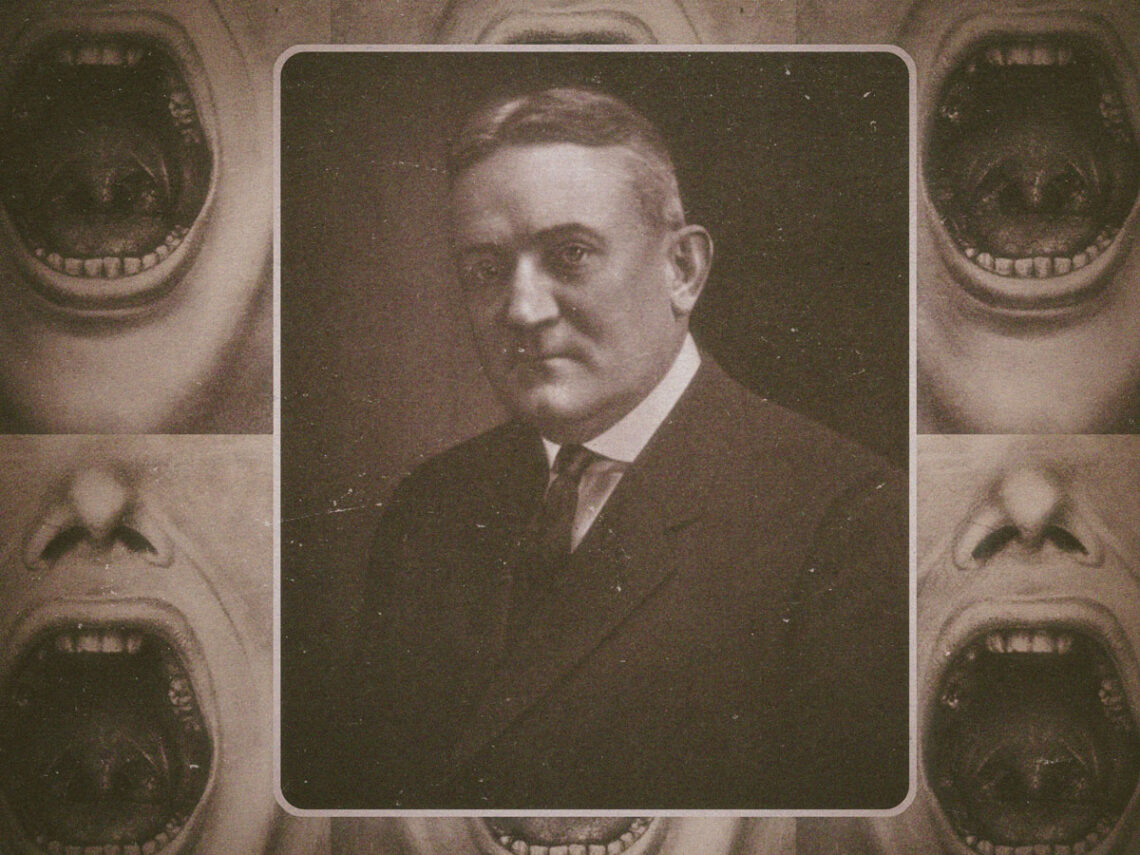
‘Dr Evil’: the insane story of how Dr Henry Cotton turned a hospital into an abatoir
As the story of Dr Henry Cotton shows, the scientific method seems to slip from the minds of even the smartest people.
Like, we worked this out millennia ago. You have a hypothesis. You test the hypothesis. If your hypothesis is proved, then high-fives all around and a box of chicken nugs to go. If it’s not, then you scrap your old hypothesis, build a new one based on the data, and then test that one. The ever-lasting dance goes on.
Except it doesn’t, does it? Humans gotta human, and there will always be arrogant bastards who think just because their brains were built to retain data slightly more effectively than most that the rules just don’t apply to them.
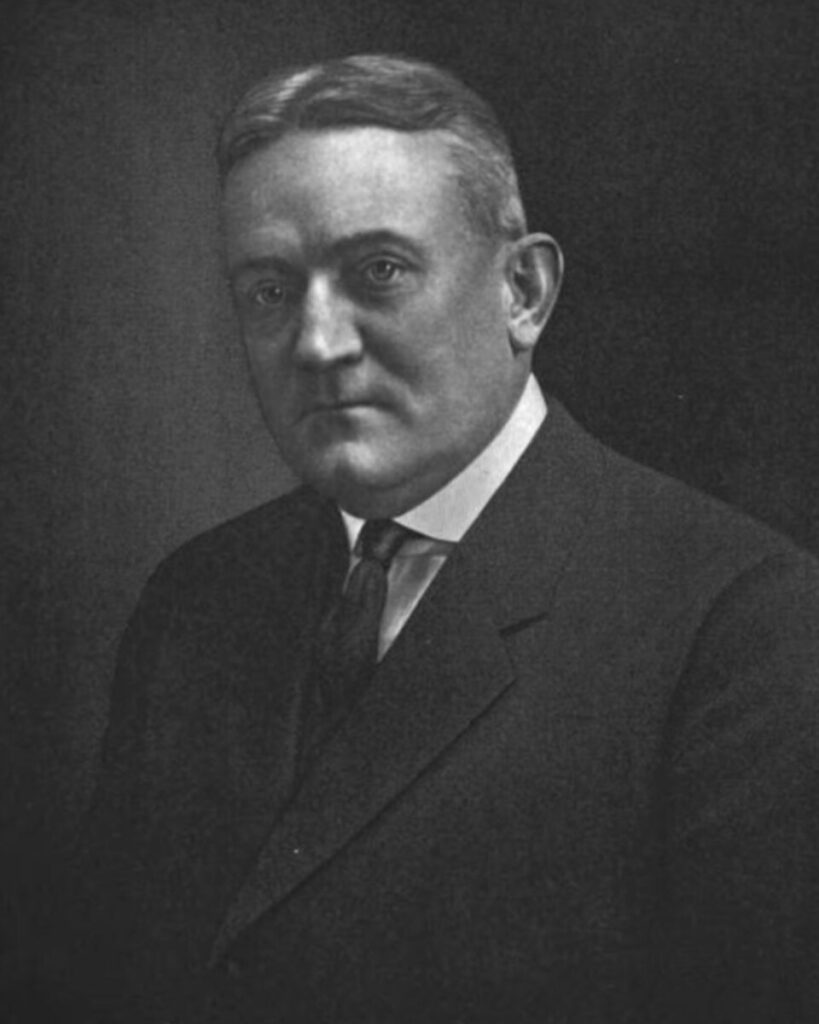
These people will always think, like Principal Skinner deciding it’s the children who are wrong, that if the data doesn’t match their hypothesis, then the experiment must have been wrong. It would be easy to laugh at the arrogance of this attitude if there weren’t real people who had suffered as a direct result of this self-worshipping hubris. For proof of this, one needs only to look at the horrifying case of Dr Cotton, a psychiatrist who was appointed head of the New Jersey State Hospital at Trenton (now Trenton Psychiatric Hospital) in 1907.
The baffling thing about Cotton is that he had all the qualifications and training. He studied under the greatest psychiatric minds of his day, including the actual Alois Alzheimer whom Alzheimer’s disease is named after. He graduated from both Johns Hopkins University and the University of Maryland. He should have known better, yet he spent his entire career convinced of one utter falsehood: that mental health conditions stemmed from infections in the body, and could be removed with surgery.
Why did Dr Cotton believe this?
Thus, when Cotton took control of the New Jersey State Hospital at Trenton, this guiding philosophy was essentially, “If someone is mentally ill, all we have to do is remove an infected part of their body, and they’ll be cured”.
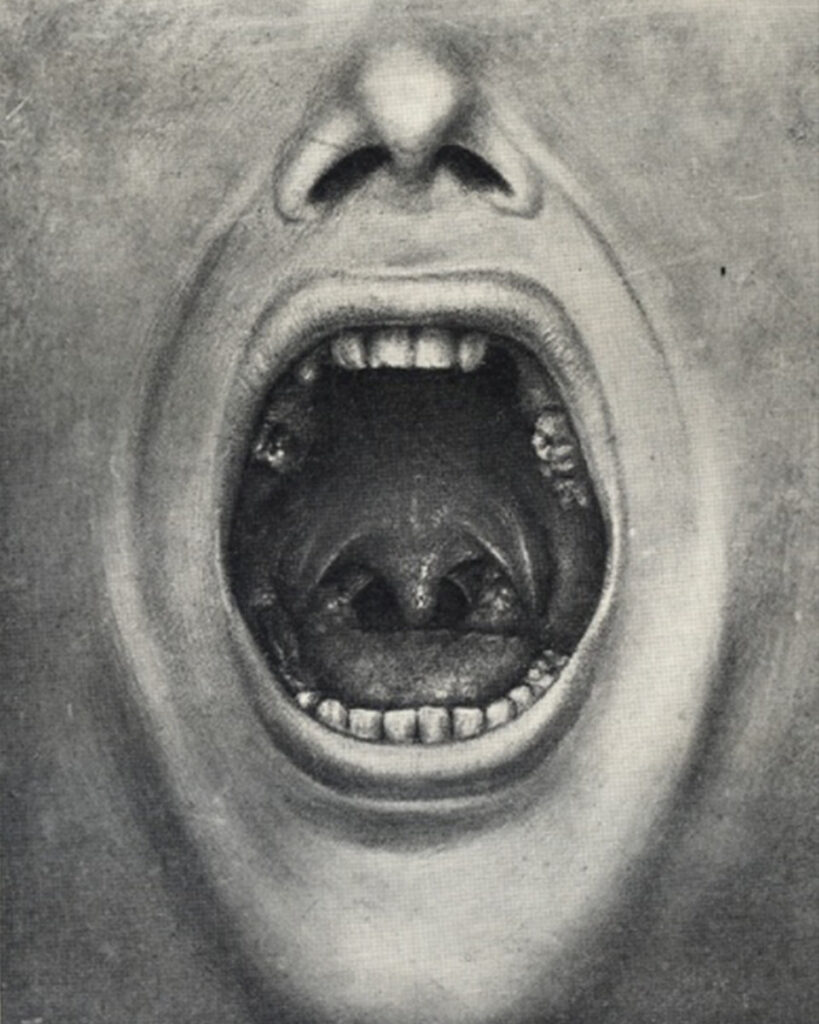
Cotton and his staff’s “care” would most often begin by removing a few of the patients’ teeth and seeing whether that eased their condition. When it wouldn’t, they would move to the tonsils and sinuses. After that, they experimented with whatever they could take out of a person while still leaving them, ostensibly, alive.
This included testicles, gall bladders, ovaries, spleens and in some cases, stomachs and colons. Since this was happening in the early 1900s, this was happening before the era of peer review, control groups or double blind experiments. So all anyone had to go on Cotton’s methods was his own say-so. If you asked him or any of his team, they would say his methods were a godsend, one that had an 85% success record in stopping patients from having mental health disorders.
From a certain point of view, they were right. After all, lots of people no longer had a mental health disorder after a few weeks under the care of Dr Cotton and his team. This is because you can’t have a mental health condition when you’re dead. This wasn’t a brief stint either; Cotton and his team were in charge of this hospital until 1930, and people only started cottoning on to the malpractice in the mid-1920s.
Over that time, the death rate of being admitted to Cotton’s care was revealed to be 45%. Yet, if you ever need proof that white men really can get away with anything here, it is. Cotton wasn’t removed from the hospital by any outside force. He instead retired and was part of the hospital’s board of directors for the next three years, until his death in 1933.
A sign, if one was needed, that just because someone’s well-read, doesn’t make them smart, or trustworthy. Yet that’s enough for a depressing number of people.