


Highdeas: How LSD played a part in the greatest scientific discovery of all time
If you ever want to piss off a writer, there’s one simple saying that gets us every time. Just point at a story that’s weird and creative and say “God, they must have been on some serious drugs when writing that!!”
Hoo boy. Just typing that put me in a bad mood. No. Drugs don’t work that way, you would know this if you’ve ever taken drugs or been around someone who has. Drugs don’t magically open your mind and make you more creative in any medium, especially when it comes to one as hard and craft-based as writing. Just ask anyone who’s actually tried taking drugs and writing, like a comedy duo regularly accused of exactly this practice, The Mighty Boosh.
Noel Fielding talked about the one time him and Julian Barrett tried writing while on acid, and said that they spent the next six hours staring at his kitchen table. So, this should be nothing more than a common misconception, right? A bunch of normies unable to understand that the artistic life isn’t one of constant indulgence in the pursuit of inspiration, but that needs as much craft and graft as anyone else? Except that’s not quite the case.
It turns out, one of the greatest discoveries in human history was made by someone who was completely off their face. What’s more, this wasn’t a piece of writing, or a piece of music, or any kind of art at all. In fact, it was made in a world that should have been the very picture of reasoned, clear-minded sensibility. From the kind of person that you’d assume would know exactly how much drugs can ruin someone’s mind.
No, the greatest contribution drugs have made to society was in the world of science.
How did drugs help make a great scientific breakthrough?
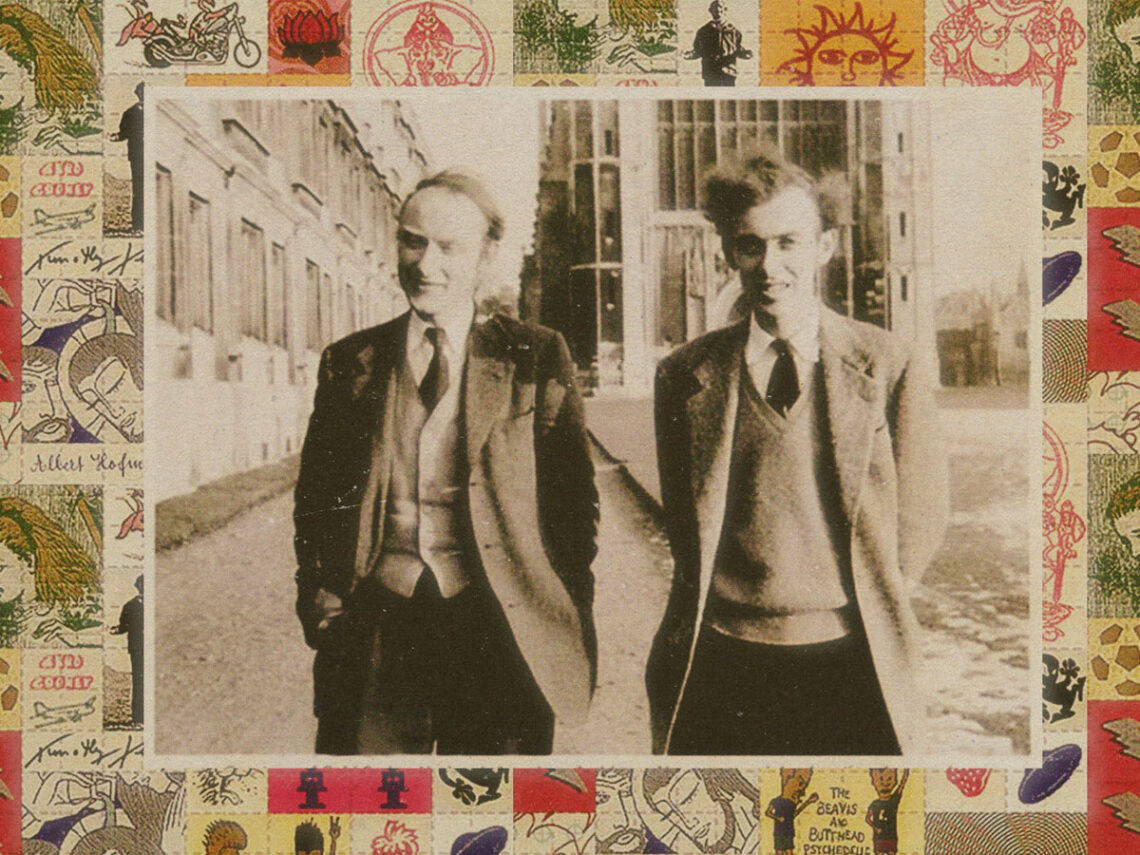
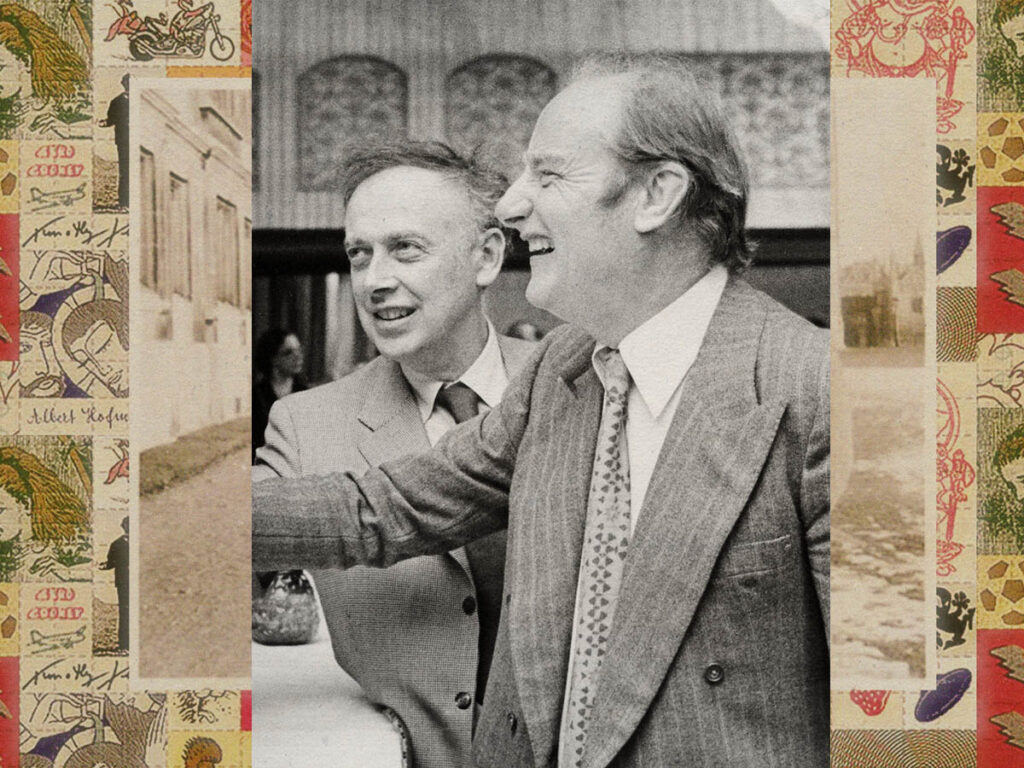
In March 1953, Francis Crick and James Watson sprinted from their Cavendish Laboratory in Cambridge to the nearby Eagle pub. They each ordered a pint of bitter, sat down with their drinks and announced to the academics gathered at the famous watering hole that the two of them had discovered the secret of life. Now, Crick was an infamous blowhard. As abrasive and arrogant as he was an undeniable genius. People listened to him, if only to see whether this would be the time he’d fall flat on his face.
Turns out he hadn’t. Instead, Watson and him had discovered the double helix structure of DNA. Essentially, the building blocks of humanity itself, and if they’d seemed a little half-cut when they’d announced their discovery, that’s because they were, not from their warm beers either. One would allow them to be a little carried away by the joy of making the biggest breakthrough in biological science of all time, but that wasn’t it either.
No, turns out Crick was a huge fan of LSD. Taking small amounts while working as a way of helping him think without constraints. When Watson began working with Crick, he shared his huge supply of LSD tabs with his American co-researcher. So the very moment they’d made the scientific breakthrough, both of them had been tripping balls!
Perhaps there is a little truth to LSD making you think more creatively in that case, but still, don’t ask your writer mates about it. They’ve heard it far too many times.