


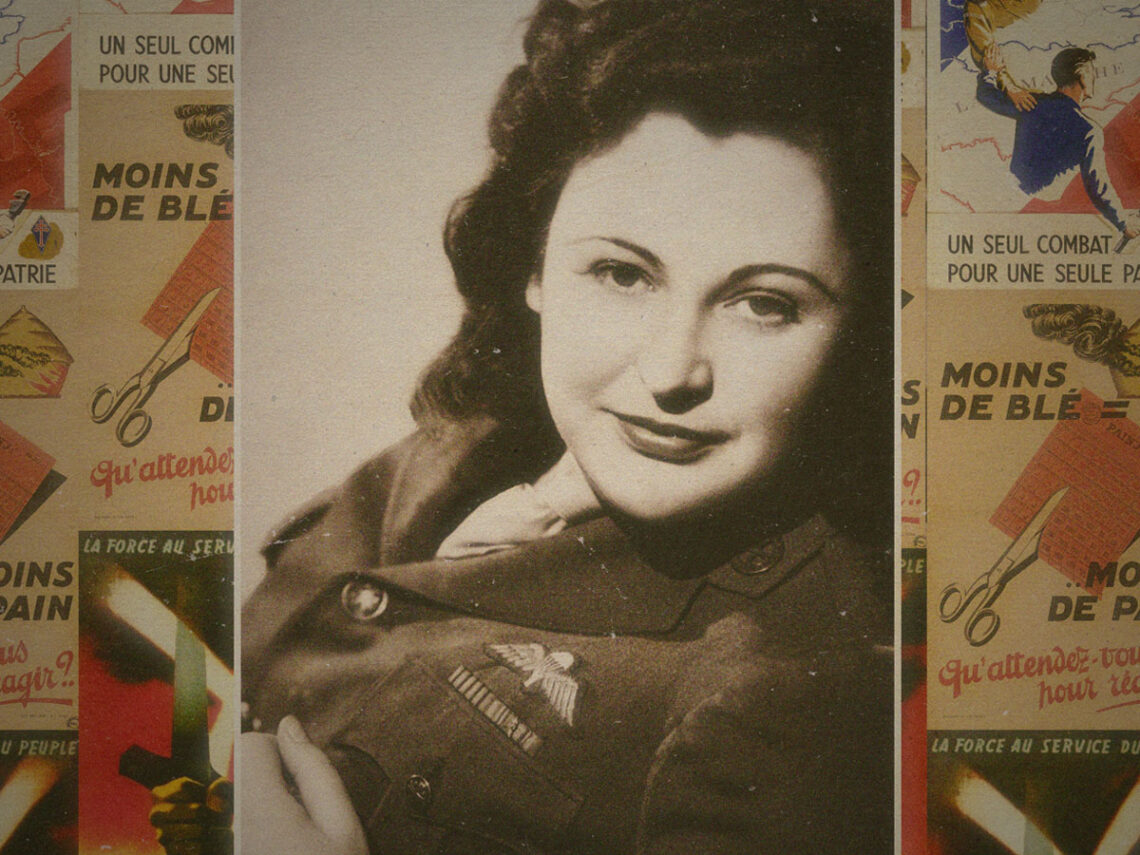
The White Mouse: How Nancy Wake became a legend of the French Resistance
There are several reasons to find French culture (and let’s be real here, the French) a little off-putting, just ask any French person. However, never, ever forget that most people hate the French because people in power don’t want any other cultures adopting their attitude towards authority.
Because the French do not give a single fuck. It’s a culture built around reminding authority figures that they work for the people, not the other way around. The last people who strutted around thinking that the people existed to support them in the land of croissants and infrequent bathing were introduced to a delightful young woman called Madame Guillotine, and thus, people really don’t want you thinking much of them. I mean, why else do they get such a rep for being cowards when a cursory glance at their history shows that’s demonstrably not the case?!
I get it, “cheese eating surrender monkeys” was funny 35 years ago, then it found itself in the mouth of Jeremy Clarkson and like most things that spew from that ill-informed void, it got old very quick. Yes, the French did surrender to the Nazis. That’s the first half of the story, however, because then you get the other half of the story. A half, which is one of the most inspiring, terrifying and incredible stories in the history of 20th century warfare, the French Resistance.
Going through the entire history of the French Resistance is the kind of thing that an entire series of books could be based on. Suffice to say that a story as incredible as Nancy Wake’s probably makes her as brave as your average French Resistance recruit, rather than more so. There wasn’t a soul in that organisation that wasn’t risking their lives to do the right thing in the heart of Nazi-occupied France, and many of them gave their lives to liberate their country from the control of fascists.
However, for the most part, the resistance was made up of people who were born and raised in France, fighting for their own country. Nancy Wake chose to be there. Badass barely covers it.
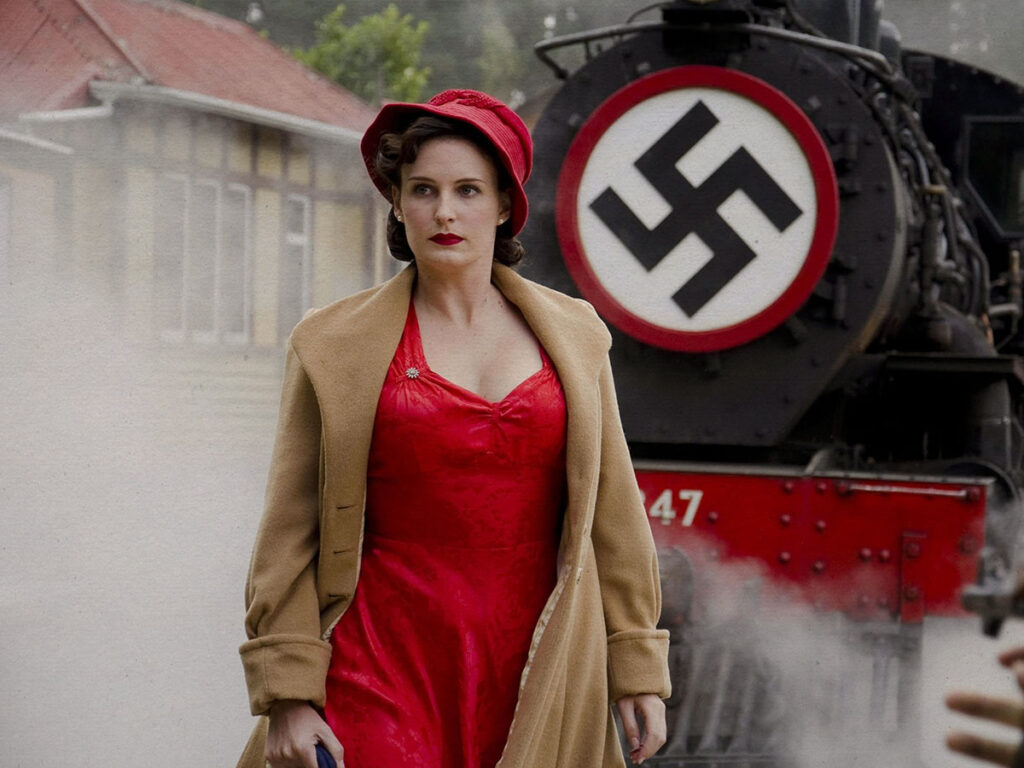
Who was Nancy Wake, and how did she join the French Resistance?
Born in Wellington, New Zealand, Wake was French by marriage.
She married the wealthy industrialist Henri Fiocca in 1939, but from the outset, she wasn’t content with a life of privilege when the war came shortly after. She volunteered as an ambulance driver until the fall of France in 1940, yet still, she found a way to do her bit. After all, this was the woman who once said to an interviewer, “I don’t see why we women should just wave our men a proud goodbye and then knit them balaclavas.”
However, she couldn’t operate in the open anymore, so she joined the escape network of Captain Ian Garrow. This network, nicknamed the Pat O’Leary line after the pseudonym of one of the network’s early leaders, would find Allied airmen or soldiers shot down or stranded in France, then ferry them to neutral Spain before sending them back home. Wake became one of the most prominent couriers, the luxurious apartment she shared with her husband in Marseilles becoming a safe haven for hundreds of Allied soldiers.
The Gestapo were suspicious, but then came the really incredible part. Wake had this genuinely uncanny ability to evade capture by any means necessary. There was no sticky situation she couldn’t flirt, shoot, run or hide her way out of, so much so that she gained the nickname ‘The White Mouse’ as a result. Even on the few occasions she was arrested, she always managed to find a way out of it. The network stayed active until 1943, when it was compromised by some turncoat operatives. Still, Wake managed to escape, but her husband wasn’t so lucky. Fiocca was captured, tortured and killed after staying in Marseilles.
Wake escaped to Britain, where she joined the Special Operations Executive and continued her espionage work, becoming one of the most celebrated spies of the era. She wouldn’t discover the fate of her husband until the day of the V-Day celebrations in 1945. However, hopefully she took some small comfort in knowing that he, along with everyone else who gave their lives in the French Resistance, would want nothing more than for her to live a long, happy and normal life after the war.
Which is exactly what she did, working in politics until her death in 2011.