


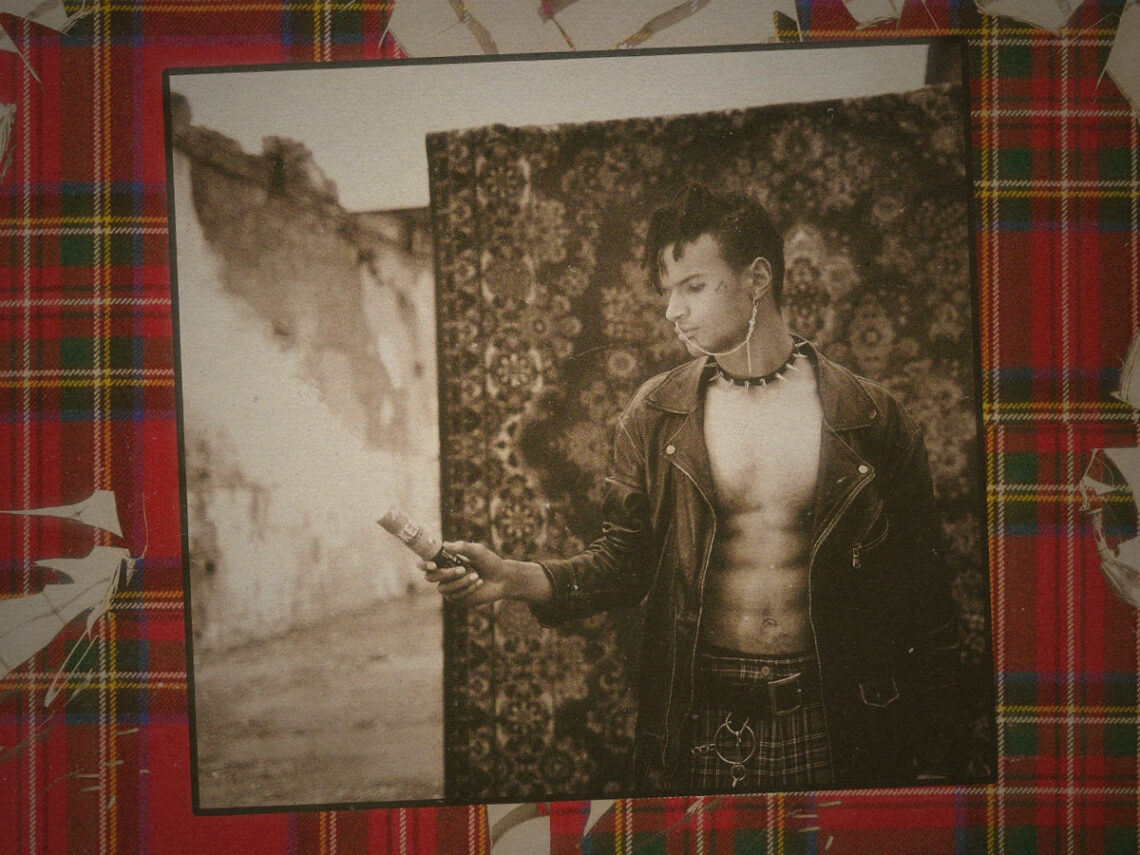
Tartan Armies: How a symbol of Scottish nobility became a punk icon
On the surface, thinking about the aesthetics of punk rock is a waste of time.
Especially in the world of British punk, one that was always less about the art and more about pissing people off, you can put together a decent punk look based around “what would annoy people most”. Some of the time, this resulted in some pretty awesome visuals from people like Siouxsie Sioux, Paul Simonon and Ari Up. Most of the time, though, it was Sid Vicious in a T-shirt bearing a swastika. Two foul tastes that taste even worse together.
Yet, all my snark aside, punk is an inherently aesthetic movement. British punk began in Vivienne Westwood’s boutique Sex on King’s Road and, Sid aside, the vast majority of trademark punk accessories were worn for a very good reason. Even swastikas were deployed as a counterpoint to jingoistic, Second World War-worshipping English exceptionalism. It wasn’t worth it, and whenever punks got beaten up for wearing them, they truly deserved it; however, there was a reason behind it.
Just like there was a reason behind one of the most iconic parts of punk fashion, the presence of tartan. Now that I’ve mentioned it, go back and look at pictures of the class of ’77 and you’ll see more tartan than a Bay City Rollers gig. Tartan trousers, tartan shirts, fragments of tartan sewn into jackets, it became part of the punk uniform right at the very beginning of the movement. As we’ve said before, nothing about the aesthetics of punk was there for no reason, so why tartan?
It becomes especially confusing when you look back at the cultural history of tartan and find that not only is it a symbol of Scotland, but specifically a symbol of Scottish nobility.
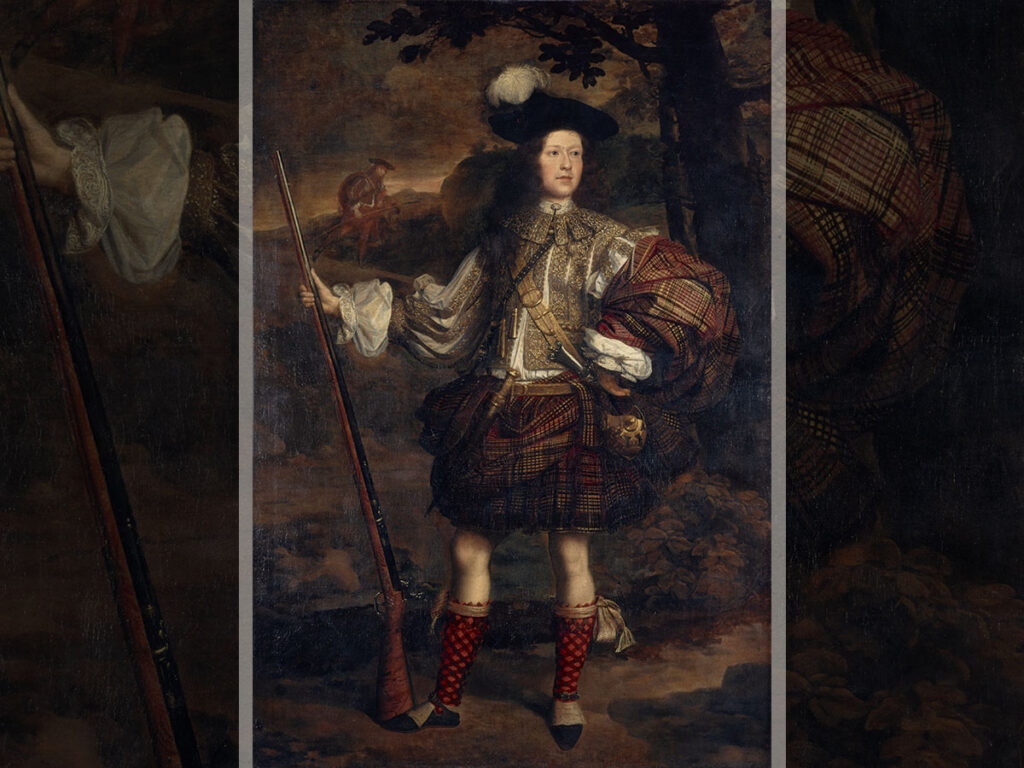
What is the cultural history of tartan?
Pretty much for as long as there’s been a Scotland, there’s been tartan to go with it. Reports from the third century AD talk of lords in what we’d now call Scotland that “shine in striped cloaks,” according to rough translations.
It’s easy to draw a line from there to the tartan designs we know today, which were often created to show allegiance to a clan or a lord, kind of like a wearable banner, signifying your loyalty. The more people wearing your tartan, the more goddamn powerful and widespread your clan were, thus it began being associated with nobility.
That was until 1746 and the Jacobite rebellion of the year before. Under the Dress Act, the wearing of kilts and tartan was outlawed, seen as it was as support for James Stuart and his ill-fated attempt to stow away with the English crown for his father while the majority of the British army were fighting the War of the Austrian Succession. This rebel spirit, not to mention a specifically anti-English rebel spirit, was exactly what Westwood was tapping into in the mid-1970s.
Thus, when she and her partner Malcom McLaren were putting together the looks that would define punk culture, tartan became one of the go-to patterns used in her designs. Updating a literally ancient aesthetic for a thrillingly modern movement, yet still managing to keep that original spirit within it. It’s an inspired choice and one of the reasons why Westwood is one of the great fashion minds of her generation.
If we could just focus on that and not all the swastikas instead, that’d be great.