Is the ghost town of Centralia making a comeback?
The idea of Centralia, a ghost town in the year of our lord 2026, is something truly bizarre.
Surely there is no way, with the number of people living in desperate need of shelter in the world today, that there could be entire towns, entire living spaces just sitting vacant and gathering dust? Not a soul for miles around to check on it, merely left to the elements and to the ravages of time like something out of The Last Of Us? Well, the truth is that it’s not often that these towns are habitable when their population chooses to leave.
There are a few examples of towns that are built around a single business that can no longer operate, and thus, people need to leave what looks like an otherwise perfectly functional living space. Most of the time, however, the reasons people depart are far more drastic. More often than not these ghost towns are ones that have been condemned to be submerged under a dam but others, like Centralia, Pennsylvania, had the opposite fate.
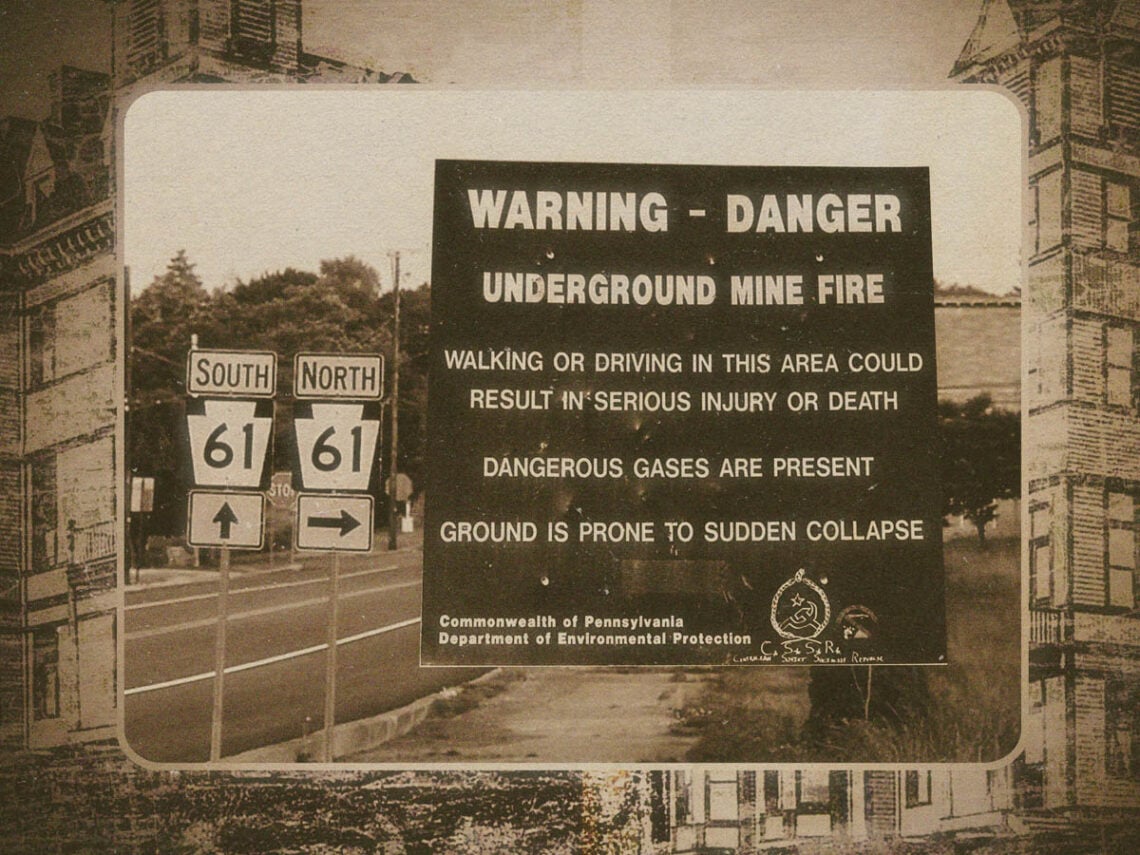
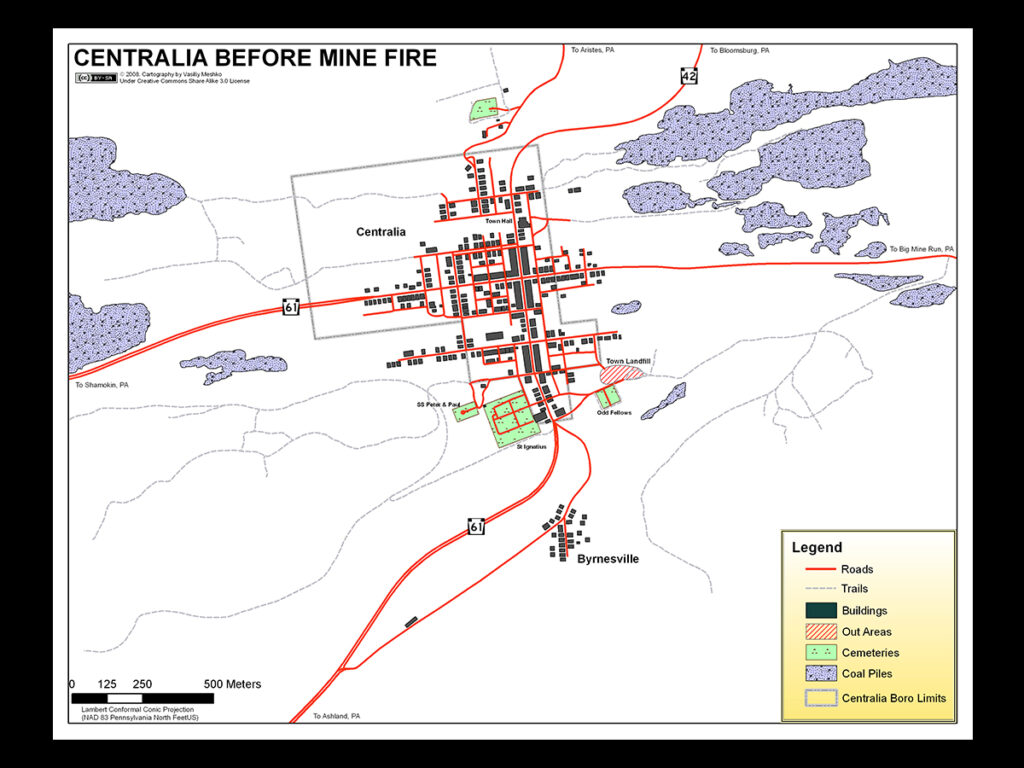
Centralia was a coal mining haven. Almost the entire town was built over a deep, dense network of mines, and in May 1962, a freak accident occurred that put everyone in the town in mortal danger. City officials had got in the habit of setting fire to the trash piled up in a local landfill for the last couple of years. What they hadn’t realised was that this landfill was connected to a strip mine, and in 1962, seemingly after they’d put out the last of the fire, the fire went from the landfill to the other mines.
Y’know, the ones filled with coal.
What happened to Centralia next?
Suddenly, everyone in town was living their lives directly over an active volcano, and the most insane part is that for the town, life just went on. There was a raging inferno underground so close that people’s basements felt like ovens, yet on they went until the worst nearly happened in 1981. A 12-year-old boy fell into a sinkhole that had opened up in his grandmother’s back garden. Had he not been rescued by his cousin, he’d have been killed by the plume of lethal carbon monoxide that the hole belched out.
After nearly 20 years, the town was finally cleared. The United States Congress allocated money for a collective buyout, which over a thousand of the town’s inhabitants agreed to. By 1990, only 63 people lived in the town. Two years later, it was condemned, and all had to leave. By 2021, only five buildings remained standing. Yet still, the fire burns. It’s likely it will continue to burn for decades, if not centuries to come, as efforts to stop it have long since been scrapped. Yet, if you drive through it today, you will not be met with signs of urban decay.
Sure, there are a few buildings still standing, including the town’s church, but the majority of them have been torn down, and in their place is, shockingly enough, life. All the roads the town was built on are still there, but where all the buildings were, forests have grown instead. There’s wildlife, plant life, all kinds of life if you know where to look, especially now that the smoke that poured from the mines has abated in recent years.
Now, the only time you know that you’re a couple of hundred metres away from an inferno in Centralia, Pennsylvania, is the steam that rises from the ground whenever it rains.