


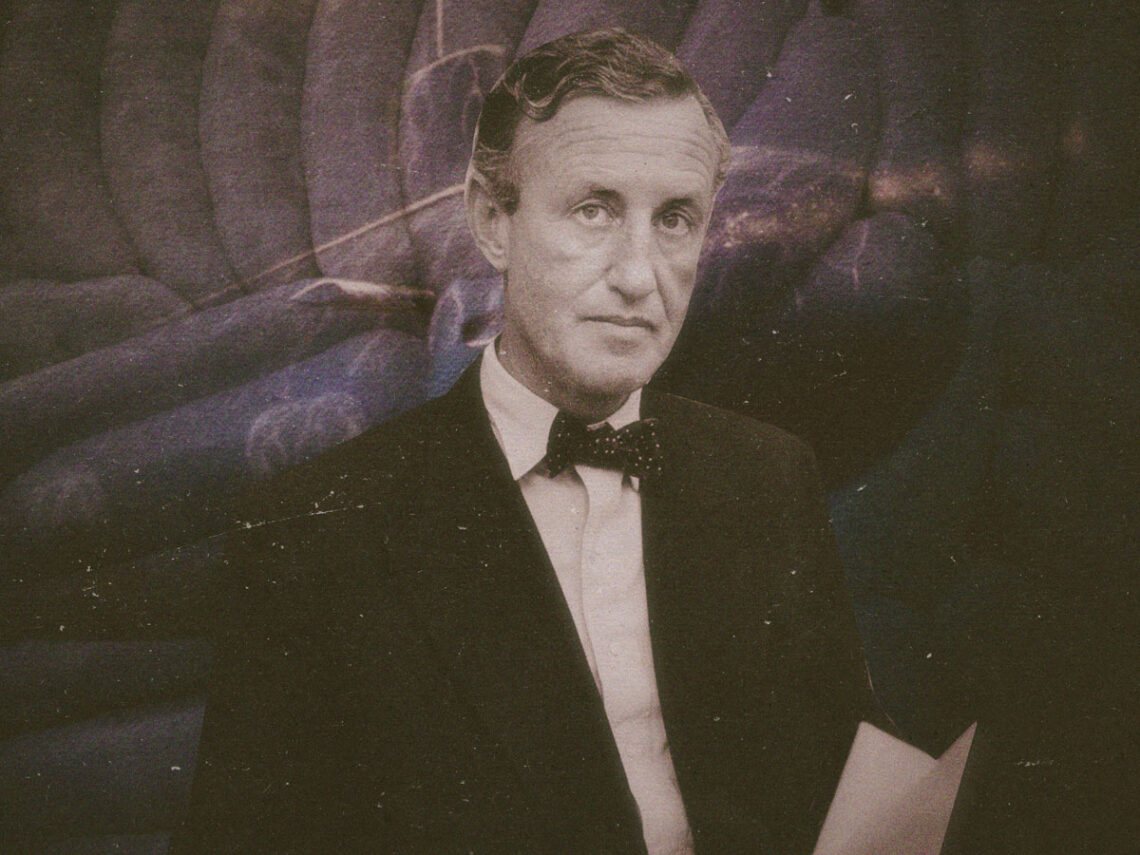
The bizarre reason the ‘James Bond’ creator wanted to blow up submarines with sausages
When Ian Fleming wrote the James Bond novels, he was strictly writing about what he knew, to a degree. You might think that the infamous spy’s adventures, filled with ludicrous gadgets, volcano bases and women with names like Pussy Galore, would at least be a Hollywood-ised, large-scale vision of what he knew and they were but only to an extent.
In true posh boy fashion, Fleming failed his way into the upper echelons of high society. His 20s were spent in the shadow of his older brother Peter, a jet-setting travel writer. Peter was seen as his family’s golden child, while Ian was a wastrel, in comparison, who was more interested in cars and girls than making something of himself. This was a man whose first attempt to enter the military had him kicked out of Sandhurst in disgrace for contracting gonorrhoea.
He flitted between careers before the outbreak of World War II, when, due to his family connections rather than showing any aptitude for the job, he got a position as personal assistant to Rear Admiral John Godfrey, director of naval intelligence of the Royal Navy.
By this time, Fleming had pissed away so many prime opportunities that one was bound to stick, and this was the one. Godfrey took a liking to Fleming and, inadvertently, changed the face of pop culture when he let Fleming dictate a memo that would circulate around naval intelligence for years afterwards.
The memo focused on how the threat of the Nazi’s wasn’t going to be beaten by sheer brute force, but rather by cunning plans. It compared their work to a trout fisher, who will not catch a fish by patience or force, tricking and luring the enemy out of their comfort zone. A lurid, somewhat fanciful metaphor, the kind that Fleming himself would become known for in good time. However, what really puts the so-called ‘Trout Memo’ in the annals of history is the list of 54 ways the enemy could be tricked.
If you think that some of the stories from the James Bond novels are ridiculous, you should see the kind of things that this jumped-up, layabout toff was suggesting to actual naval intelligence officers.
Arguably, the most infamous of them all is one that centres around bulk buying packs of German sausages, planting bombs in the meat, then re-sealing the tins. After that, you chuck them into the sea and wait for a German U-Boat to stumble upon them.
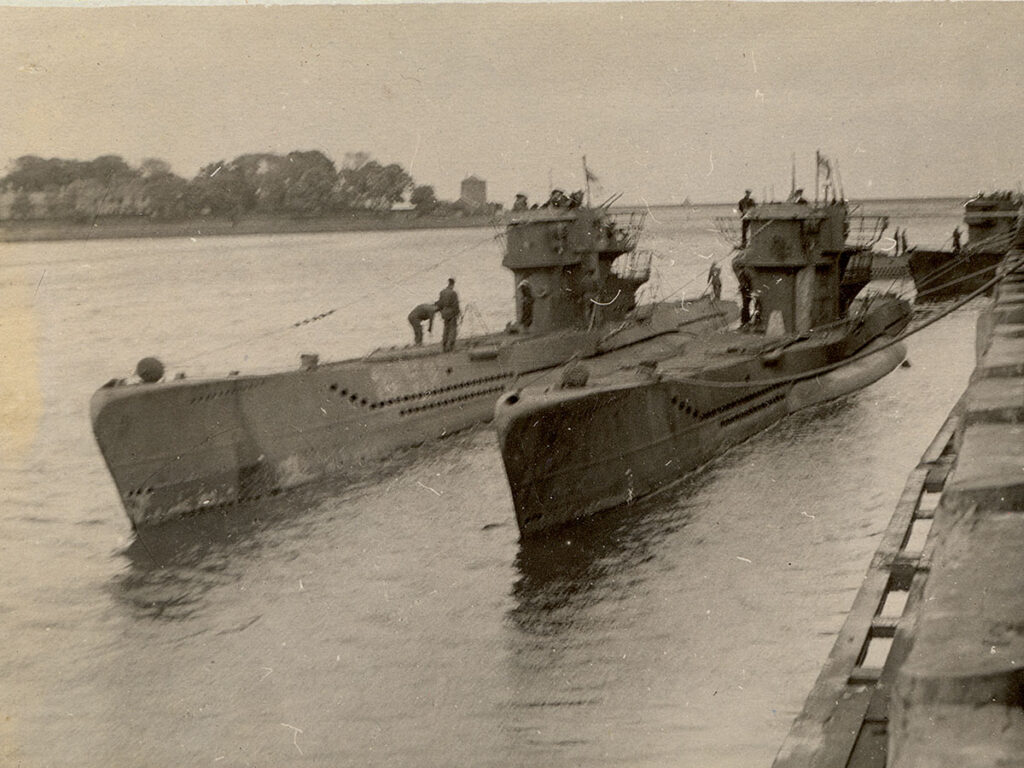
Somehow, the U-Boat would take them in, assume that they’d just gotten really, really lucky with the spoils of a supply ship they’d blown up, then settle down for a slap-up meal to celebrate a job well done. They’d slap the sausages on the grill, cover them in oil, then in a matter of minutes… boom. Finest minds in England, these chaps, don’t you think?
Now, let’s be real here. These weren’t actual suggestions that Fleming was making under the guise of his boss; they were examples to get the creative juices flowing. At least, partially, they were probably there to signify that there was no such thing as a bad idea when it came to finding ways of beating the hun. However, one of his suggestions inadvertently did end up influencing the outcome of the war. Further down the list than the sausage plan was another plan involving a corpse.
Fleming suggested dressing up a corpse as an English officer, chucking it in the sea and waiting for U-Boats to pick it up. The corpse would include false intelligence plans that would be sent back to Berlin to disrupt their intelligence work. If this all sounds vaguely familiar, then I commend your taste in musicals because this later turned into Operation Mincemeat, the actual World War Two intelligence operation that changed the tide of the entire European Front and dramatically shortened the war.
Sometimes thinking big can change the world. Especially when living off a trust fund most of your life gives you lots and lots of time to think.