


Locusta: The dark history of Rome’s notorious poisoner
Man, politics has changed since ancient Rome.
To be clear, this is a good thing that should be encouraged. As fascinating as that time period was, emperors with unchecked power aren’t just bad ideas because of the oppression that naturally comes with the presence of a leader whose place at the head of a country is unquestioned. It’s a bad idea because they fundamentally don’t work. They fail their people, fail their countries, and if that wasn’t enough (and by the looks of it, those facts really aren’t enough to convince people that emperors are bad ideas), they all kept getting killed.
This was absolutely their own fault, and they have no one to blame but themselves. After all, if you make the only way you leave power your death, there will be a huge number of people willing to facilitate that, since they literally don’t have a choice. Most of the time, these were in Caesar-style coups orchestrated by their government, but several people who took the title of Emperor were murdered by people in their direct line of succession.
Sure, that’s a nice way of saying their immediate family murdered them, but such is the necessity of familial succession. If you don’t give people any other choice, they’ll often make it anyway.
What’s more, these moves to murder their own families for political gain were barely clandestine. In fact, the best example of how openly these maniacs went after each other was the presence of Locusta, a Gaulish favourite of Emperor Nero who served at his right hand. Not as an advisor. Not as a lieutenant. Not as a concubine. No, Locusta was Nero’s chief poisoner. You might think that this was because Nero was a particularly sadistic character, but no.
This was just the way Ancient Rome was, and Nero inherited Locusta from his mother’s regime.
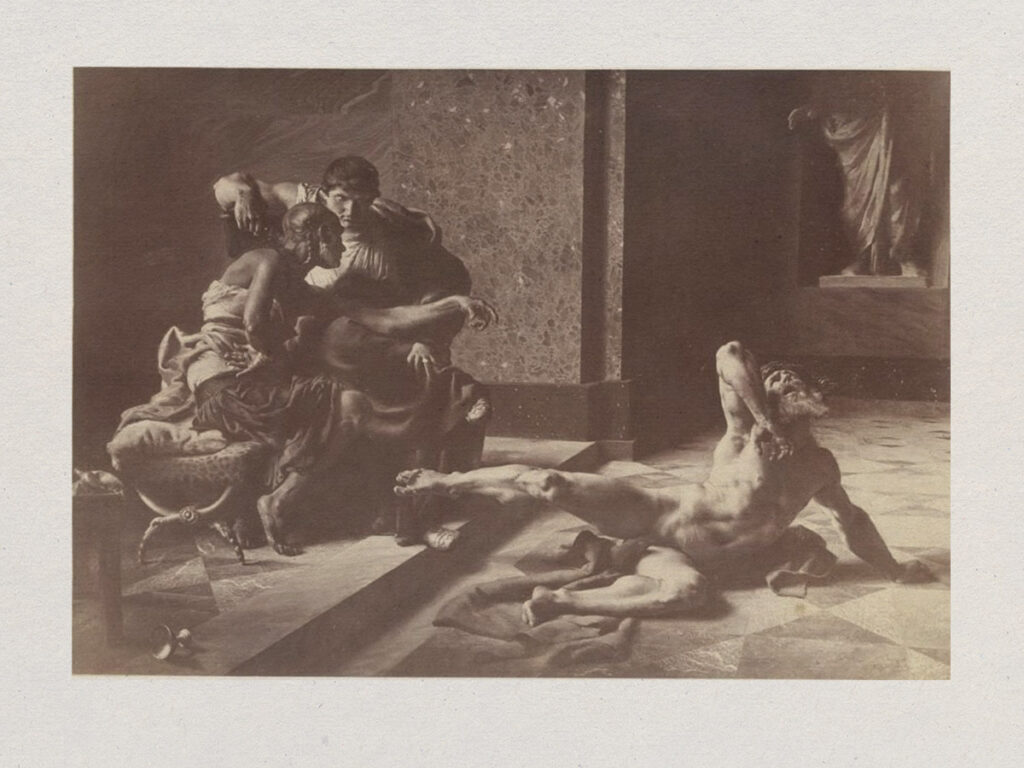
How did Locusta shape ancient Rome?
We know very little about how Locusta made it to Rome, only appearing in the histories of Tacitus, Suetonius and Cassius Dio as a member of Agrippina the Younger’s inner circle back when she was the fourth wife and niece (again, Ancient Rome) of Emperor Claudius.
Agrippina was as ambitious and conniving as any other Roman emperor of the time, though, and had designs on taking the title of Emperor for herself so she could manoeuvre her son Nero into the top spot. All that stood in her way was her pesky husband.
To deal with him, she turned to Locusta. Poisoning was a common method of assassination in those days, so anyone who knew their chemicals and how to hide them was a serious asset to those in power. Locusta had caught Agrippina’s eye and, according to some sources, supplied her with the poison that killed her husband. Owing their ascendance to the emperor, Locusta stayed in their inner circle. Nero himself called on her talents to murder Claudius’ son from a previous marriage, Britannicus.
However, when Nero fled Rome in 68 AD, everyone involved with his reign, one tyrannical even by the standards of Ancient Rome, was suddenly extremely unpopular. She, along with several of Nero’s other favourites, was led through the streets of Rome in chains before being publically executed the year after Nero’s escape.
Christ. It really does make you thankful for democracy, doesn’t it?