


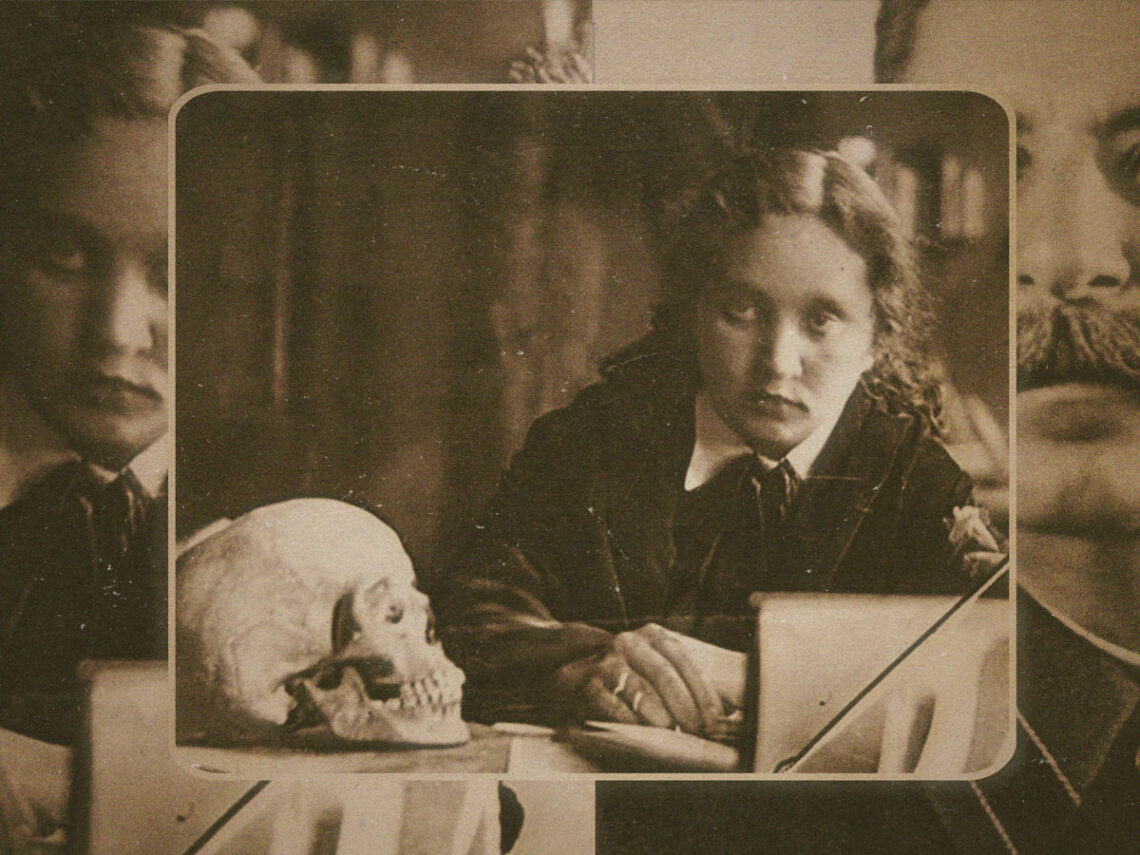
Maria Yudina: What to do when a tyrant loves your art
Art is the great equaliser.
No matter what historical monster you’re talking about, each of them was as human as you or me. Each of us is as capable of evil as anyone else, just as we’re all capable of good, and few things hammer that fact home than the fact that so many of the people who’ve done the most evil in this world were the same thing the vast majority of people reading this site are. Fans. Probably not of Dangerous Minds in particular (except you, you know what you did), but fans of art and artists.
Osama Bin Laden was a movie buff. Adolf Hitler never grew out of cowboy stories. Part of Donald Trump’s so-called New Yorker credentials is his love of Broadway musicals. The list goes on of the worst people ever spat into this hellscape of a world being more like us than any of us should be comfortable with. Most of the time, these are a little hyped up, often as part of a cult of personality around said person. It’s easy to make someone palatable when they’re just a harmless guy who likes things, right? After all, we’re harmless guys who like things right? They’re just like us!
There, you have the root of all fascism. There’s a kernel of truth in that statement, just not the way they want you to think. Yes, they are human like us. However, not all of us have the absolute power to have our worst, most id-driven whims executed with absolute anonymity. In fact, some of the most haunting examples of this behaviour come from the way that these men act around the artists they love. After all, what speaks to our id more than the art we love?
Need proof? Look no further than the story of Maria Yudina.
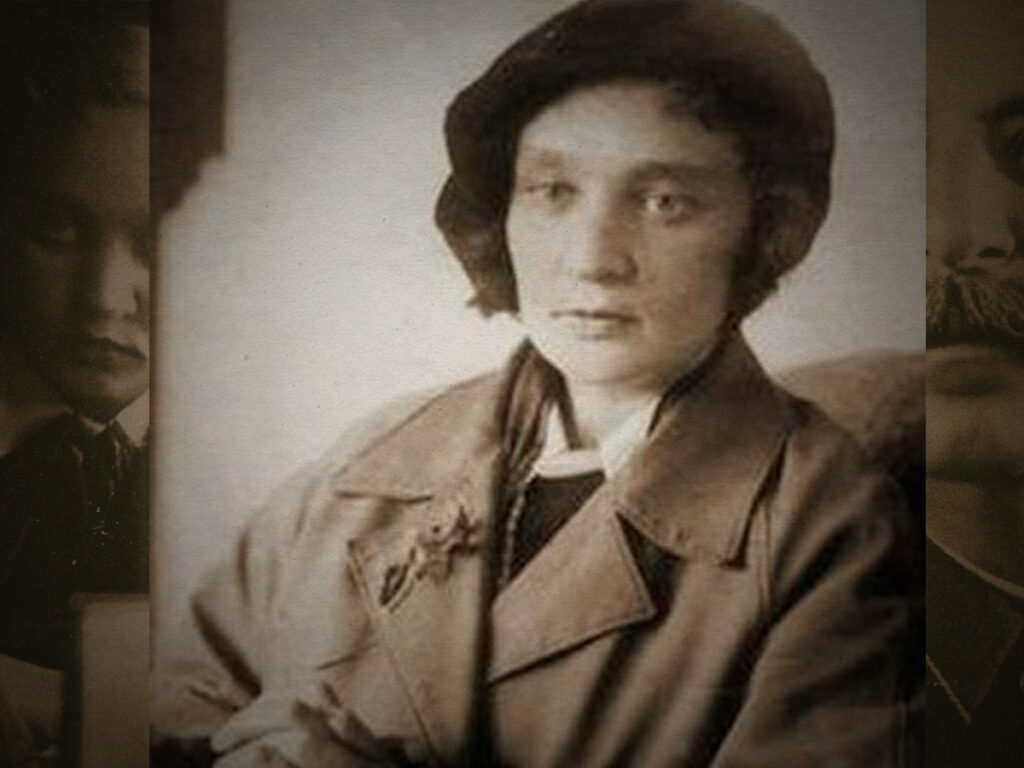
Who was Maria Yudina?
Born to a Jewish family in Nevel, Russia, in 1899, Maria Yudina was a piano prodigy from an early age. She studied under the same tutors as Dmitri Shostakovich and was hailed as one of the brightest lights in Russian music. There was just one issue. Her conversion to Russian Orthodox Christianity after the Russian Revolution, which saw Russia as an atheist state. Her refusing to renounce her beliefs led her to be all but un-personed by the Russian state until she found a devoted fan in the form of one Joseph Vissarionovich Stalin.
These stories come from the book Testimony: The Memoirs of Dmitri Shostakovich by Solomon Volkov, a tome whose authenticity has been disputed since it came out. Sometimes you’ve got to print the legend, though, and Ol’ Joe was so batshit towards the end of his life that this very much was par for the course for him. Later in his life, he heard Yudina playing Mozart’s Piano Concerto no. 23 on the radio, and was so taken with the performance, he telephoned the station to ask for a copy of the performance.
The station, of course, acquiesced to his request. There was just one problem. The performance had gone out live, and there was no record of it. Thus, the station scrambled to reassemble the group who’d performed the concerto that very night, waking Yudina up from her bed to do so, to record the piece onto acetate. They did so and finally provided their leader and teacher with the record. So the story goes, that’s not the end of the story.
According to Volkov’s book, Stalin sent Yudina 20,000 rubles for her troubles, and the famously outspoken Yudina composed a reply of her own. Per Volkov’s book, her reply was as follows. “I thank you, Joseph Vissarionovich, for your aid. I will pray for you day and night and ask the Lord to forgive your great sins before the people and the country. The Lord is merciful and He’ll forgive you. I gave the money to the church that I attend.”
Cobblers? Possibly, but everyone is at least characterised correctly, especially Stalin, who really did see the entire world as his to do with as he wished, up to and including his favourite artists. While we’d all love attitudes like this to be a thing of the past, one must only look to the leaders of today to see people who saw that attitude and said, “Hold my beer.”