


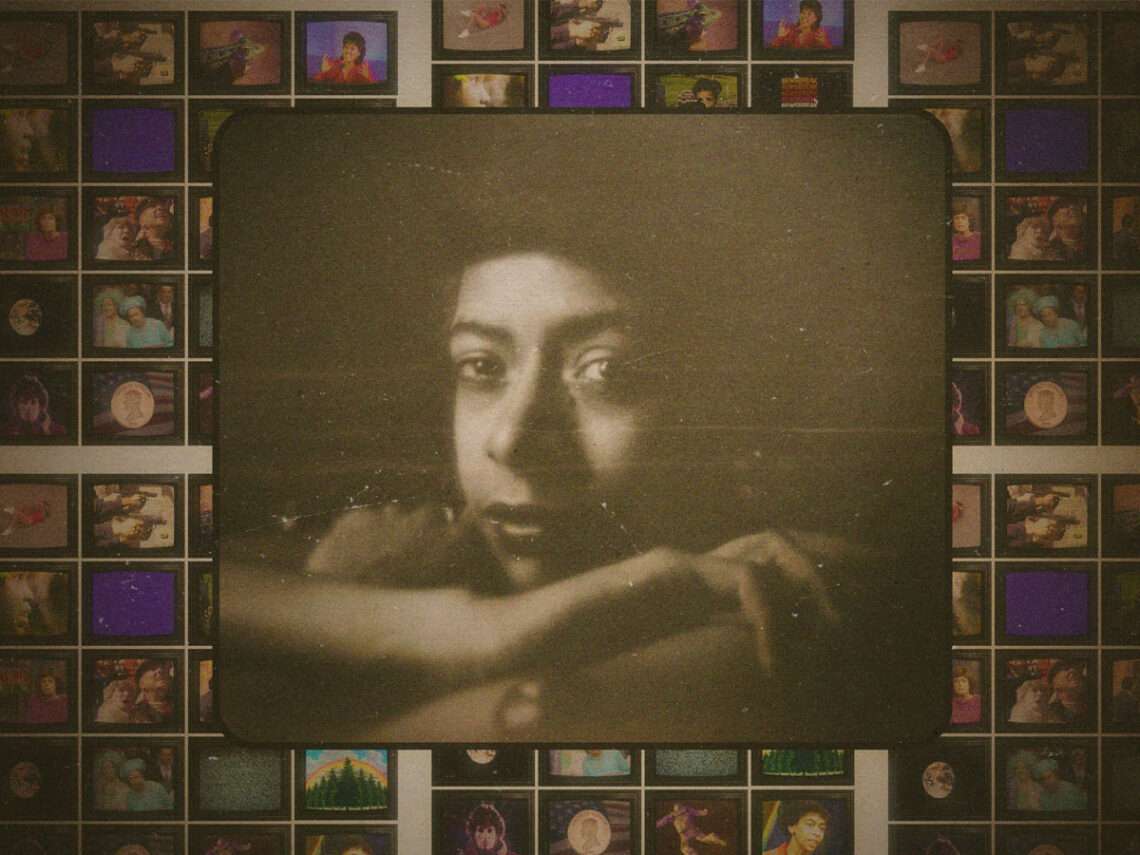
From Activist to Archivist: how Marion Stokes fought misinformation with 70,000 VHS tapes
Marion Stokes led an incredible life.
Born on November 25th, 1925, there are things she accomplished over the next 83 years that anyone would be happy to call their legacy, and yet they were just a small part of hers. A left-wing activist courted by the Communist Party USA to be their leader. A member of the founding board for the National Organisation for Women. She wasn’t just at the March on Washington; she organised five buses ferrying participants there from Philadelphia. She was literally spied on by the FBI for being a member of the Communist Party, and if that’s not a sign you’re doing something right, I don’t know what is.
While Marion Stokes is remembered for all of those brilliant things, that’s not what she’s most known for. No, what she was known for at the time of her passing in 2012 was three storage units and nine properties containing around 70,000 VHS tapes, along with countless TVs set up to record as many television broadcasts as possible. This archive was her life’s work, the project that she’d devoted the last 35 years of her time on this planet to.
I mean that literally as well. For 35 years, days out had to be planned around the six hours that VHS tapes could record for at a time, in order to be back home in time to change them out. Holidays were even more complicated, involving someone watching the house and being in to change their tapes at all times. This may sound like a bizarre thing to put so much time and effort into, especially considering the fact that Stokes, as detailed earlier, had countless better things to do with her time. So, why this compulsion?
The truth is that Marion Stokes could see the way the wind was blowing, and we could learn from her actions today.
Why did Marion Stokes make her archive?
If anyone knew the value of archiving, it was Marion Stokes. She was a librarian by trade, working at the Free Library of Philadelphia for 20 years before being fired for her political activities. After spending the 1960s committing herself to her activism, she was well aware of the way that powerful entities both within and beyond the political sphere twist, manipulate and erase history for their own ends. The mainstream media is being little more than a mouthpiece for the 1%. The more things change, indeed.
The 1970s saw a radical change in Stokes’ life. Ever the savvy operator who could see change coming a long time before others, she invested early in a fledgling computer company called Apple. This turned out pretty well for her and left her without financial obligations for the rest of her days.
Thus, she began the project that would define her legacy. As 24-hour news cycles began to be the norm, she made it her mission in life to document not only those cycles, but everything else on TV. From The Cosby Show and Star Trek to Oprah and The Today Show.
This drive to document media messaging before anyone else could suppress or change it became the focus of her life, for good and, as her family will freely tell you today, for ill. Yet, at a time when the world’s billionaires know exactly how much power being in charge of media messaging gives you, it’s a genuine inspiration to know that any one of us can take part in the fight for truth. It’s one that’s a lot harder in the age of social media, but Marion Stokes was able to adapt to new advances in tech, so we must do the same.