


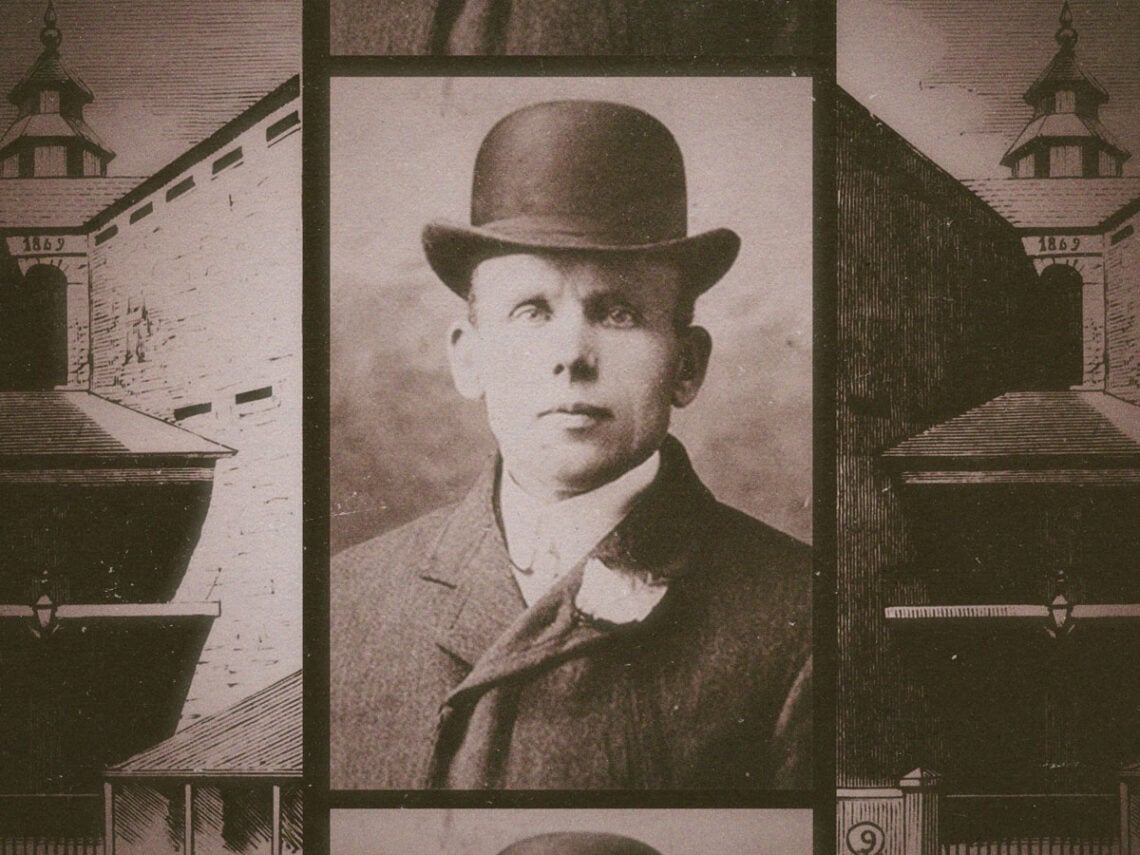
The Man They Couldn’t Hang: The prisoner who survived three execution attempts in 1885
The death penalty is only intended to be partially of the punishment for serious crimes rather than the full sentence.
After all, in terms of outright punishing someone, killing them ends their suffering. Surely, if you want to really punish someone and inflict suffering on them, they’ve got to be there to suffer, right? The truth is that an execution is only partially for the person who committed the crime, and mostly for everyone else impacted by their crimes. It is also a deterrent, which may make others think twice before committing atrocities.
The strangeness of the death penalty is epitomised by the bizarre story of John ‘Babbacombe’ Lee, someone who must have never expected to see past 20, but made it to be an old man. From the off, Lee was dealt something of a rough hand in life.
Upon leaving school, he gained employment working for the woman who would go on to define his life, Emma Keyse. A servant in her house in the seaside hamlet of Babbacombe (or Babbicombe as it was known back then), Lee left Keyse’s employ to join the navy, which is arguably when things started going wrong for him.
After serving three years at sea, he was discharged due to injury and found himself back in Torquay as a servant to another master. This didn’t last long as Lee was convicted of stealing £20 worth of silverware from his new employer. After six months of hard labour, he was released and found himself unemployed. Thankfully, Keyse had previously taken a liking to him, so when she found out he was in hard times, she welcomed him back into her employ as a cook.
This was in summer 1885, and despite Keyse doing Lee a great service, fate repaid her by having her house burn down. Tragically, she was discovered among the wreckage with a cut throat. Keyse was a beloved woman about town, whose death left the local community in mourning. The ex-con Lee, who had recently spoken Ill of her due to her reducing his wages, was the perfect stooge to take the fall. All on account of the fact that he had a small cut on his arm and couldn’t account for his whearabouts on the night that the tragedy happened.
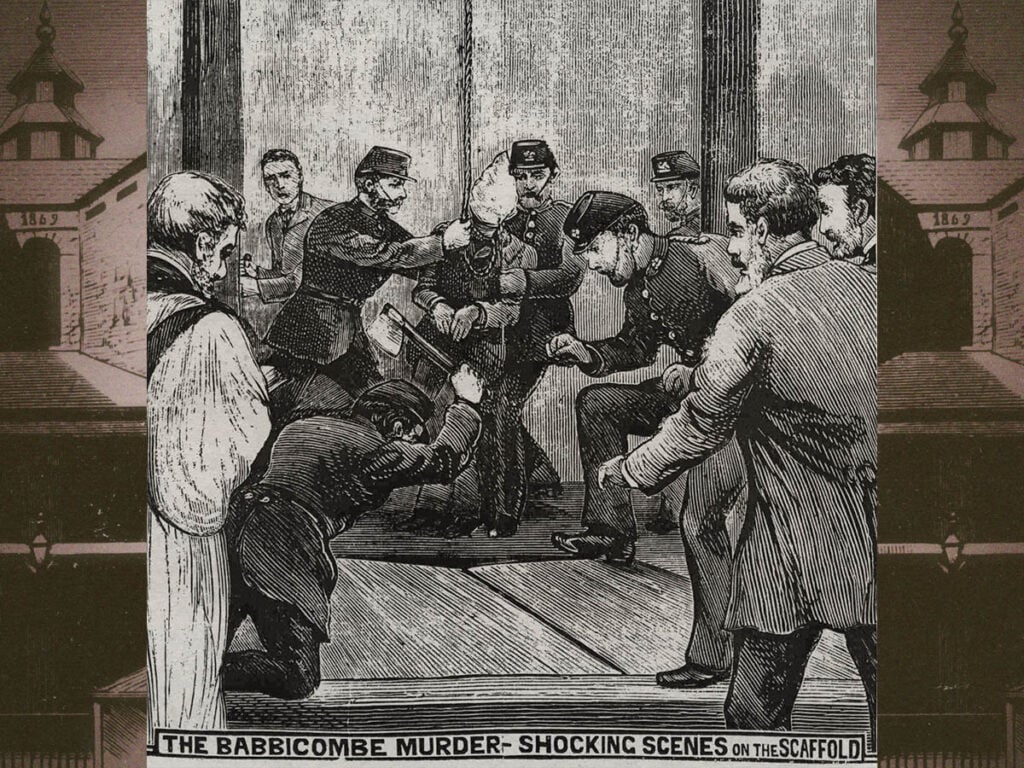
At least, that’s the story that’s gone down in history. However, it sounds like the trial was nothing more than a kangaroo court. Both the defence and the prosecution were acquaintances of Keyse, who really didn’t bother to question the witnesses for the defence. Eventually, Lee was put to death by hanging. It was scheduled for a matter of weeks after the trial but on the day, the weirdest thing happened.
While Lee was on the scaffold, the mechanism that would send him on his final trip downwards refused to open. No matter how many of the prison guards stamped on both the trap door and the pedal that triggered it, nothing would happen. So Lee was taken down, the scaffold was inspected and suddenly worked perfectly. He was then replaced on the drop spot, and the same thing happened. After one more check-up, where the trapdoor again worked perfectly, Lee was brought back for one last attempt at his execution.
Stuck for what to do, the judge in charge of Lee’s sentencing decided not to have Lee’s execution performed some other way, but for reasons that true crime fans have been speculating about for centuries, he commuted the sentence to life imprisonment. One that Lee was released from in 1907 after two decades of good behaviour.
What happened next, we don’t really know, but he was aware of his nickname, one of the cooler ones in the history of true crime. For the rest of his days, John Lee was simply known as “the man they couldn’t hang”.