


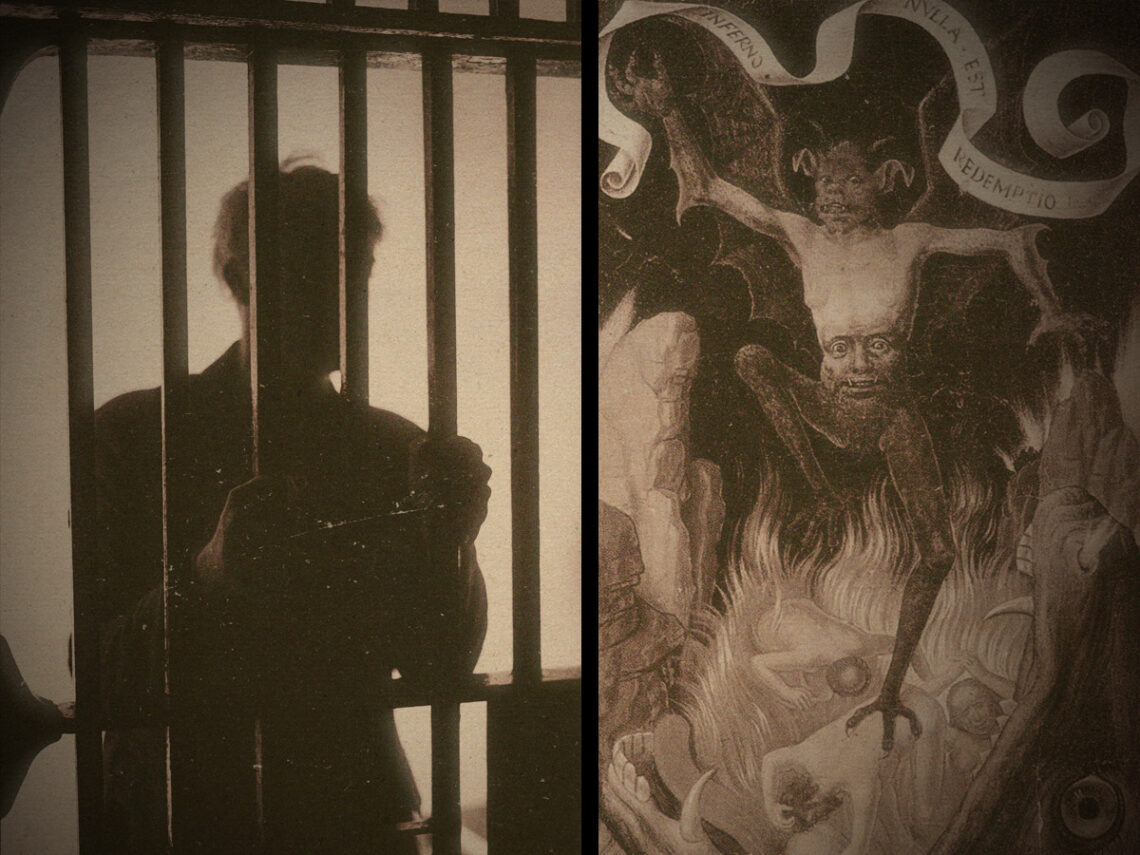
The desperate prisoner who tried to sue Satan in 1971
At 22-years-old, Gerald Mayo was sentenced to a lengthy stay in prison, which was the last thing he wanted to happen.
It wasn’t quite a life sentence, but only because of Mayo’s own tender age, and while his crimes were severe enough to get the book thrown at him, the more he stewed in his prison cell, the more he began to realise something – he didn’t actually know the reason why he did all the things he did.
The specific nature of those crimes is not a matter of public record. Hopefully, this means we can rule out the really distressing options and see a man who, like so many people, acted out of desperation when he felt like he was slipping through the cracks of society.
Nevertheless, like everything else in prison, bar liars or extremely dangerous individuals, Mayo was unable to think straight, and his mind began to run wild.
Falling into the deepest pits of despair while you face justice for your crimes is one thing; it’s quite another to come to the conclusion that Mayo did while he was imprisoned.
In Mayo’s mind, since he couldn’t think of why he actually did the things he’d done, the convict reasoned that he’d been tricked into doing them by some outside force. He’s far from the first person to feel this way; many prisoners have decided to throw their fellow crooks under the bus in exchange for a slightly less ferocious prison sentence.
For Mayo, he went after the man whom he felt was responsible for not only his own acts of evil, but every single act of evil ever conducted by man. Mayo decided that he was going to take his case right ot the very top. Or, perhaps more accurately in this case, the bottom.
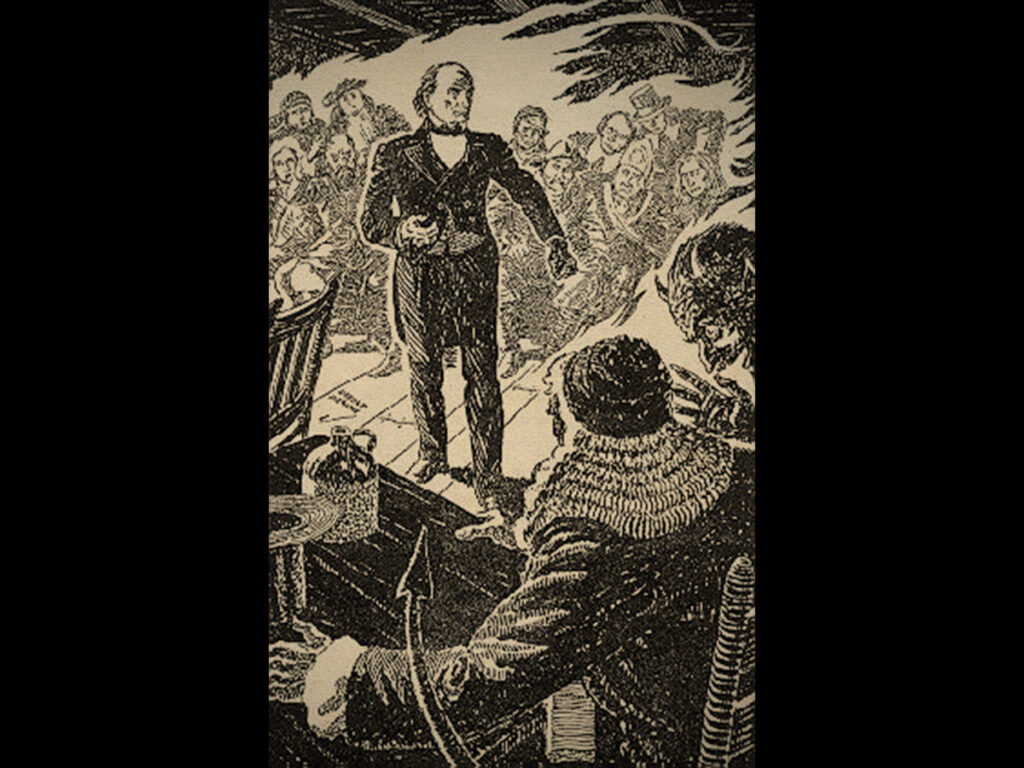
That’s right, Mayo went after Satan himself.
He filed a federal complaint against Beezlebub in a Pennsylvania court, charging him with causing “misery” in not only his life but in the entire human race. Mayo believed the path that had led him down to jail was laid out for him by Satan himself, and thus, Lucifer had deprived him of his constitutional rights and was to blame for his actions, not himself.
I honestly don’t know whether it was cruel or kind for the judge not to immediately throw out the case. One way or another, Judge Joseph Weber decided not to dismiss the case out of hand but, rather, decided to view the case as a legal precedent and write a formal opinion on it. Perhaps, he wanted no other court in the land to have their time wasted in such a manner.
The first flaw in Mayo’s case, as Weber put it, was a question of personal jurisdiction. Since Mayo was suing an entity that was barely even a ‘person’, let alone an American citizen, a court in Pennsylvania wouldn’t be able to adequately carry the case.
Secondly, it does pose a very interesting theological question. Weber put it to Mayo that Satan influences the lives of every human, yet only he had decided to take Old Scratch to court. Therefore, for the case to have any weight, Mayo would have to provide hard evidence that Satan’s influence can destroy the lives of others in a way that they can’t control.
The third and final reason that Weber dismissed the case is a barefaced case of judicial trolling. How, Weber asked, does one hand the ‘Prince of Darkness’ his summons? The law’s arm is long, but not that long.
Ultimately, the case was thrown out, and Satan escaped justice.