


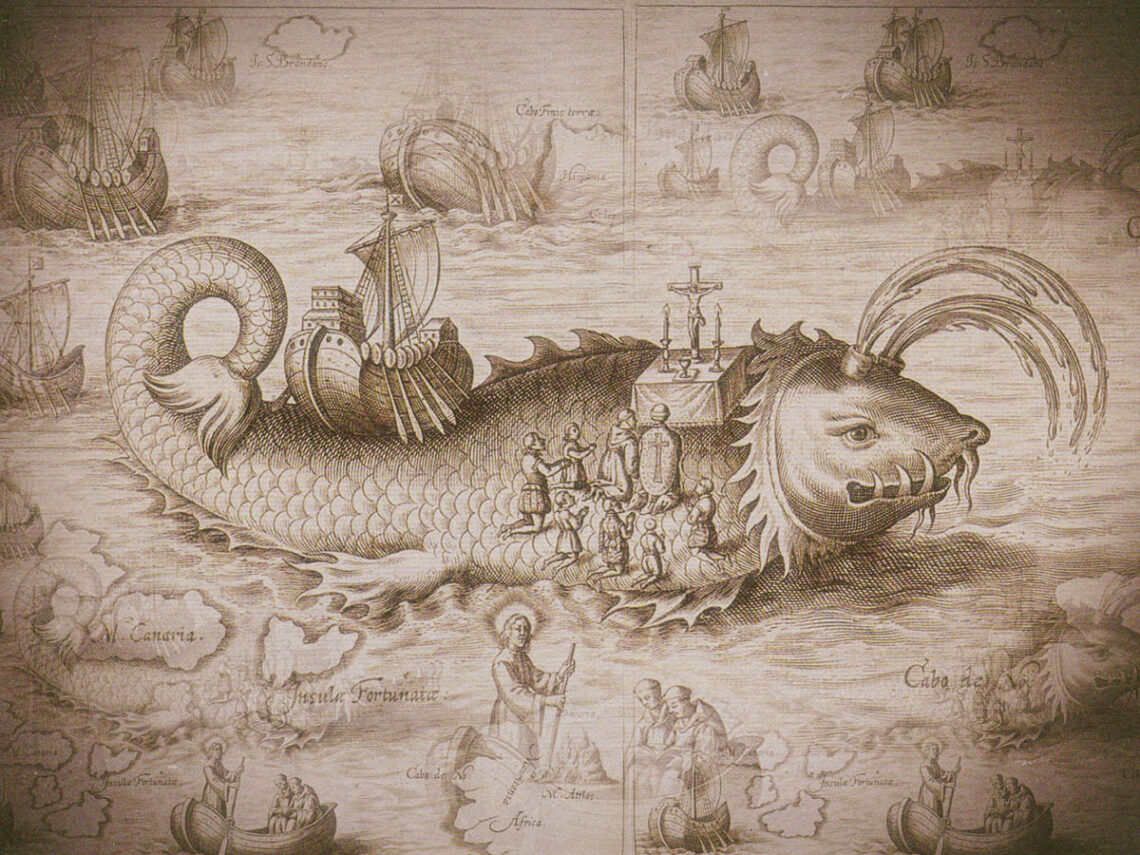
The sea monsters haunting Cornwall since 1877
When people talk about the idea of a sea monster, what they’re really talking about is the history of the sea itself.
The sea doesn’t need anything else to be terrifying. It’s plenty bloodthirsty, massive and completely uncontrollable without a kraken, or a shark, or a siren, or anything else photoshopped into those thalassophobia pictures. It honestly makes sense that anyone who has seen a typhoon up close would rather credit it to the actions of some abominable beastie or an angry god. You can avoid both of those things after all.
It’s much better for one’s mental health to believe that those are the actions of an individual that you can possibly sail around with a bit of cunning and wit. It’s human to want to ignore the truth of the matter. That’s just how the sea is, and your livelihood is sailing through it. Any day could be the day the sea decides to throw something at you that you can’t survive, and there’s absolutely nothing you can do about it.
Thus, it makes sense that Cornwall, a part of England whose relationship with the sea is almost symbiotic, has a number of aquatic myths and legends connected with it.
Chief among them all is their very own version of the Loch Ness Monster, Morgawr. A beast that is said to roam Falmouth Bay and the Helford River, an area that’s now referred to today as Morgawr Mile. However, Morgawr is far from alone. These are reports of strange activity in the area that go back hundreds and hundreds of years.
The first of these popped up in a report published first in the Birmingham Post newspaper, before being reprinted in the West Briton, another paper closer to the location from which this report was taken. The report goes as follows: “Captain Drevar of the ship ‘Pauline’ said he had seen a sea serpent on three occasions, that it had followed his ship and was amusing itself by catching and crushing whales in its coils.”
Over the next century, reports coming from fishermen and mariners alike, alongside confused onlookers from the coast, speak of a veritable menagerie of strange creatures spotted off the south-west coast of England.
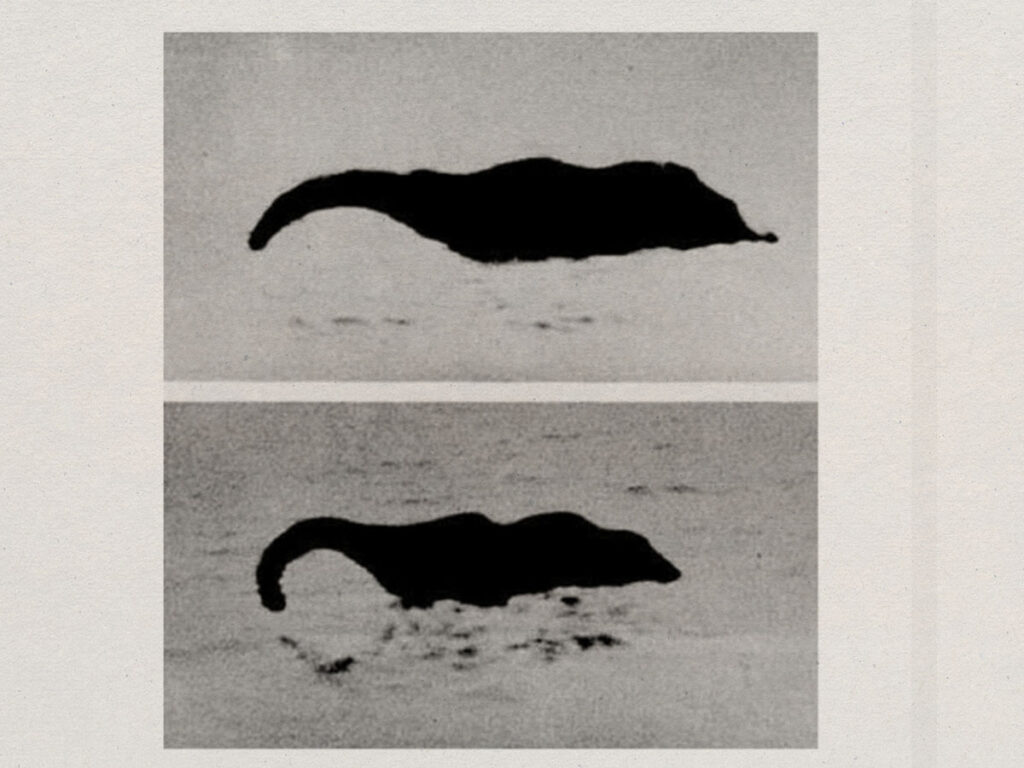
Over time, there have been reports of baffled sailors spotting vast Sea Serpents, Leviathans and even creatures that are said to resemble the ancient marine reptile the Plesiosaurus than anything else. Morgawr themself, however, don’t have a recorded sighting until 1975. The beast was spotted off Pendennis Point by two locals who described it as “a hideous humped creature with a long bristled neck and stumpy horns” that caught a conger eel in its mouth, then disappeared under the waves.
The legend of Morgawr, itself an ancient Cornish word meaning ‘Sea Monster’ or ‘Sea Giant’, was then supported by another person, calling themselves Mary F Mary had reportedly taken photos of the monster off Trefusis Point near Flushing, and published them in the Falmouth Packet along with a detailed description of what she saw.
No one would ever accuse these photos of being conclusive proof that there are actual sea monsters living off the coast of Cornwall. However, while it’s not impossible that the sheer amount of people who have claimed to see strange things in the sea could be playing a joke or delusional, that would be an awful lot of folk all singing from the same make-up hymn book.
For all the talk of sea monsters as metaphor, though, there is one part of the metaphor that could be a lot more literal, though. It’s vast, untameable and most of all, unknowable.
We still don’t know the extent of what lives there and what might come for a visit to our shores. Will it be a genuine, bona fide sea monster of myth and legend? Probably not. Could it be something that people think is a monster at first glance? I mean… have you seen an Angler fish?!