


The truth behind the serial killer with his head preserved in a jar since 1841
Considering the writing staff of Futurama had three PhDs and seven Master’s degrees between them, it was rare for them to get anything regarding science wrong. However, they did get one thing very, very wrong indeed. No one will ever find a disembodied head in a jar anything other than utterly horrifying.
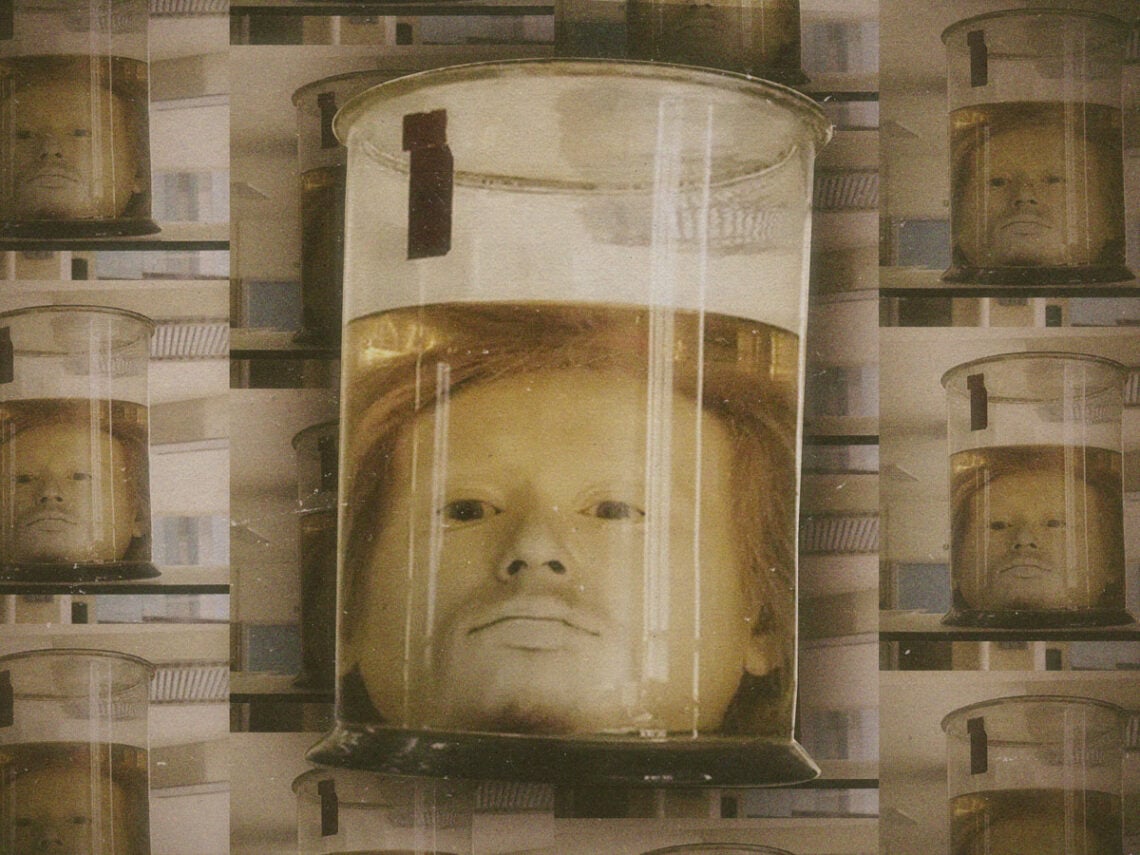
In fact, I can imagine that the only way seeing someone’s head preserved in a jar can get worse is if they started talking back to you in a fairly decent impression of someone famous to a bunch of Gen X nerds. However, as you can clearly see from the head of Diogo Alves, looking upon the visage of someone who has been preserved for posterity is the kind of thing that you can’t unsee, no matter how hard you try.
It’s why the image of it in storage at the Faculty of Medicine at the University of Lisbon goes viral so often. An unforgettable, truly grotesque image of a human head, trapped in a false visage of calmness forever, sat in a jar of formaldehyde to be prodded and poked at by students for all time. That really is a fate worse than death, but according to his history, it’s a fate that he richly deserves. In life, Alves was supposedly known as the ‘Aqueduct Murderer’.
He would lurk near Lisbon’s Águas Livres Aqueduct and, after dark, when no one else was around, the stories go that he took a great deal of sick pleasure in pushing unsuspecting souls off the aqueduct and into the water below. Depending on where you look, he has anywhere from five to 70 victims to his name and thus, is deserving of such an afterlife. He is, after all, one of the most notorious serial killers in Lison’s history… Right?
Well, not so much. Diogo Alves was a murderer, for sure. He and an accomplice killed a family of four in an armed robbery, then killed one of their servants to cover it up. That much we know from the arrest records of the time, along with how he was executed for said crime on February 9th, 1841. There’s no sign that he was culpable for the aqueduct murders other than some fiction and local folklore of the time.
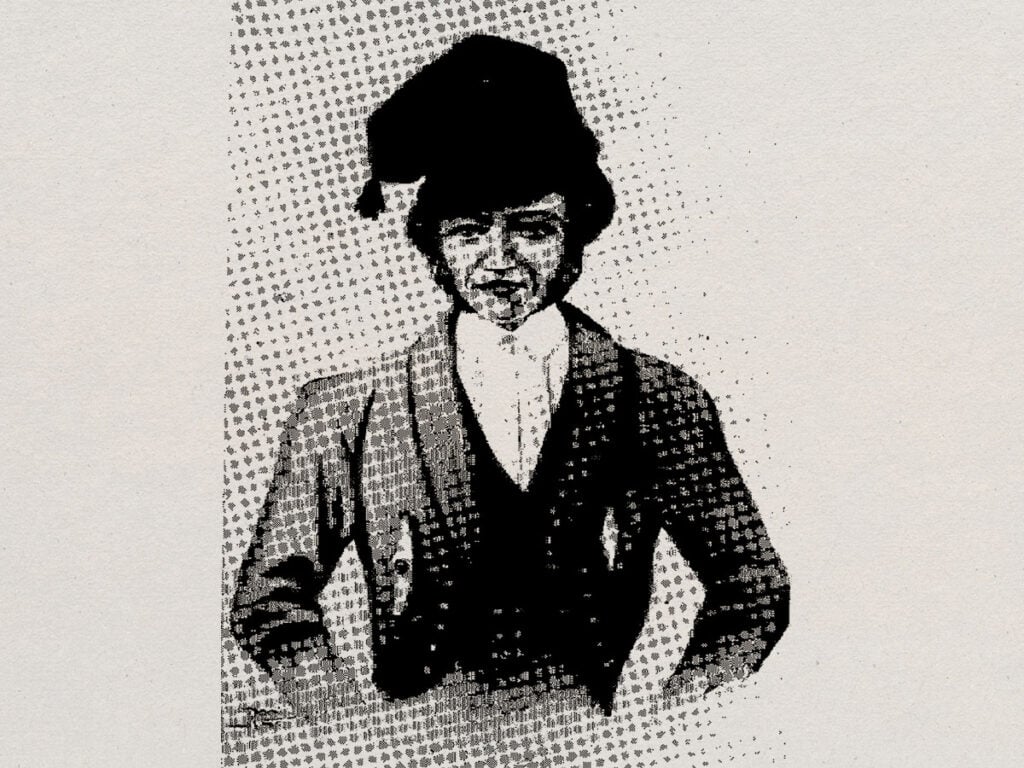
In fact, Miguel Carvalho Abrantes, a writer who wrote an entire book analysing Alves’ life, found it was more likely that they weren’t murders at all, and that Alves was a scapegoat to cover up the fact that the Águas Livres Aqueduct was a popular destination for suicides.
However, the man did still murder a family, including three young children. It’s hard to argue that the fate isn’t fitting… Except the deception at the heart of Diogo Alves’ reputation goes even further than that. That’s right. The head of Diogo Alves is almost certainly not the head of Diogo Alves. For one thing, it’s been preserved almost perfectly in formaldehyde, a preservation method not used until decades after his death. For another, the head in the jar looks nothing like any image of Alves available to us.
Yes, those images are all drawings, so we can’t be hundreds percent sure of that. However, the colour of the head’s hair is blonde. In literally every depiction we have of Alves, even official ones made for court and arrest records, his hair is dark. There’s also no official document held by the university stating how they got the head or where it’s from. It seems extremely likely that this is just several local legends of Lisbon in a trenchcoat.
All built up around one truly harrowing image.