‘Sibylle’: how East Germany produced its own ‘Vogue’ under socialism
One of the contradictory artefacts of the Communist bloc was the arena of clothing design and fashion.
Indeed, one might even say that in any self-respecting socialist paradise, the entire notion of physical beauty would always be suspect: after all, visual attractiveness by definition involves itself with appearances over inner substance.
However, that didn’t mean that Eastern Europe was just going to cede the territory to the capitalists entirely. The Communist bloc had to compete with the West on many fronts, and one of them was the objectification of women.
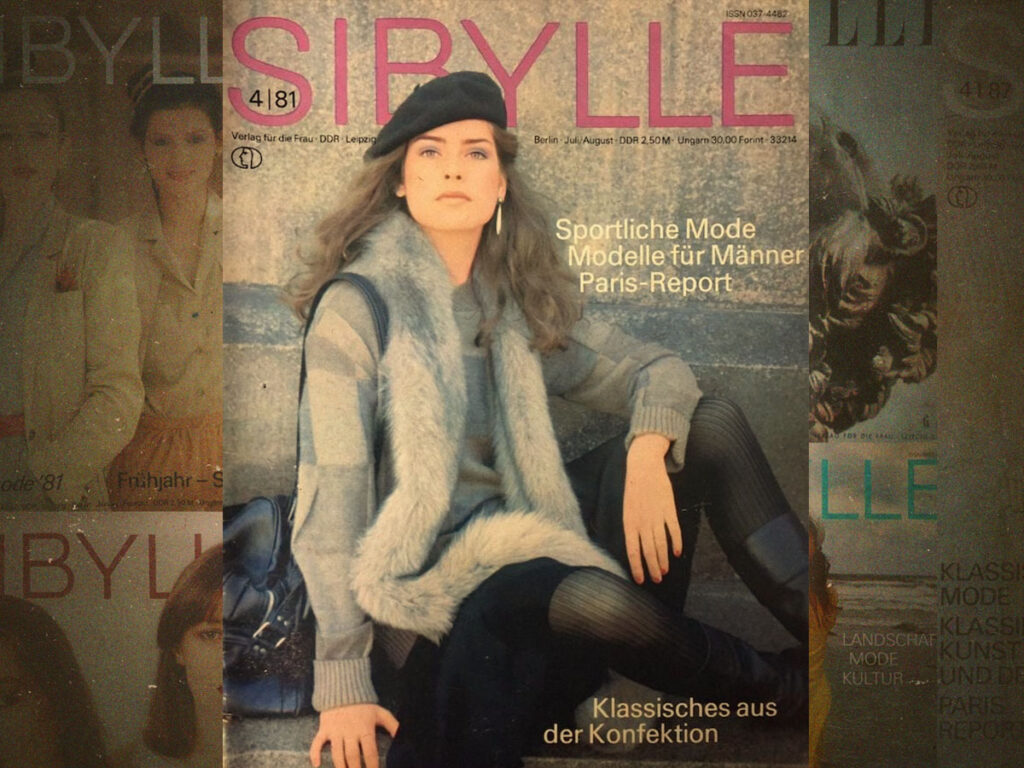
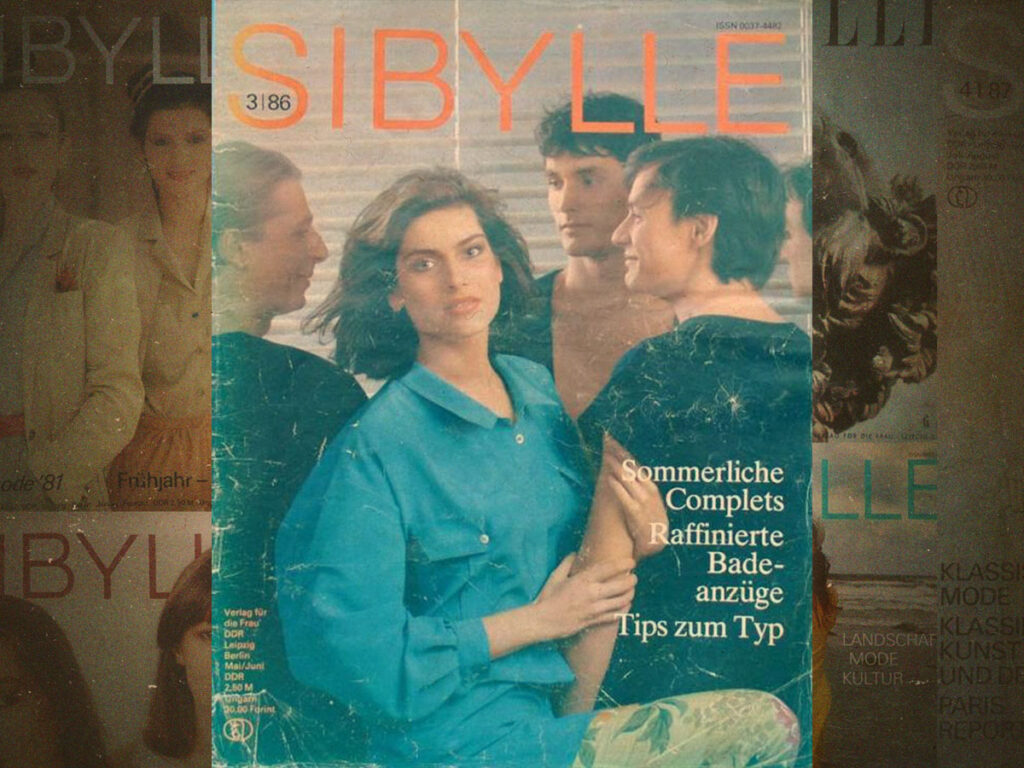
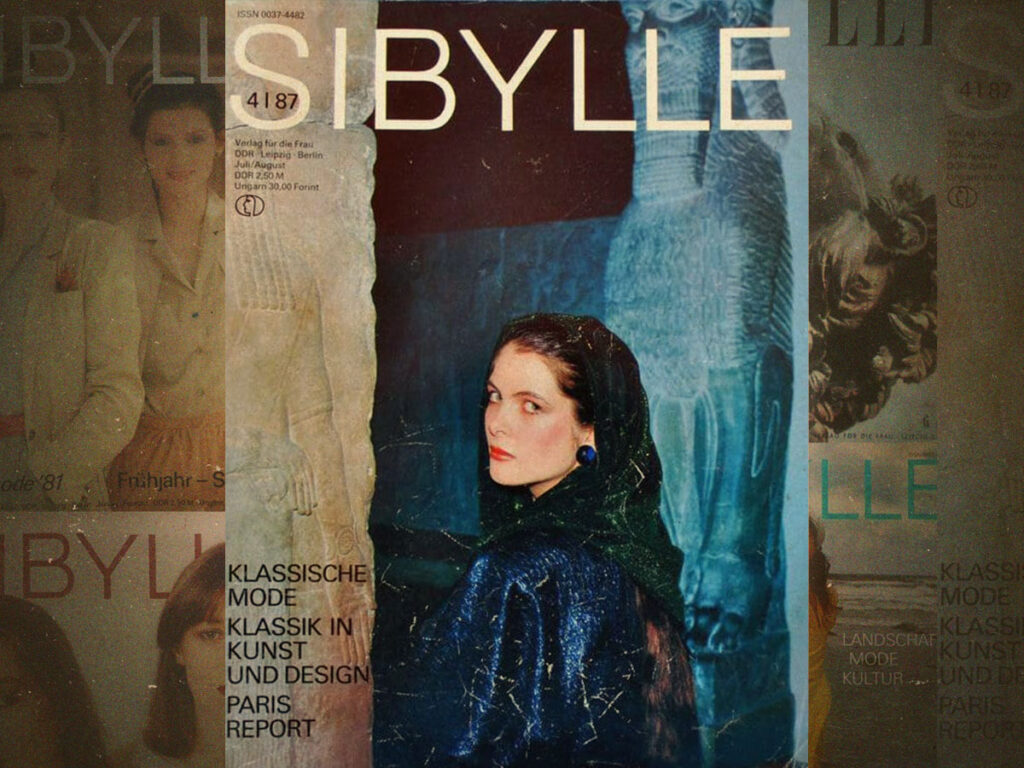
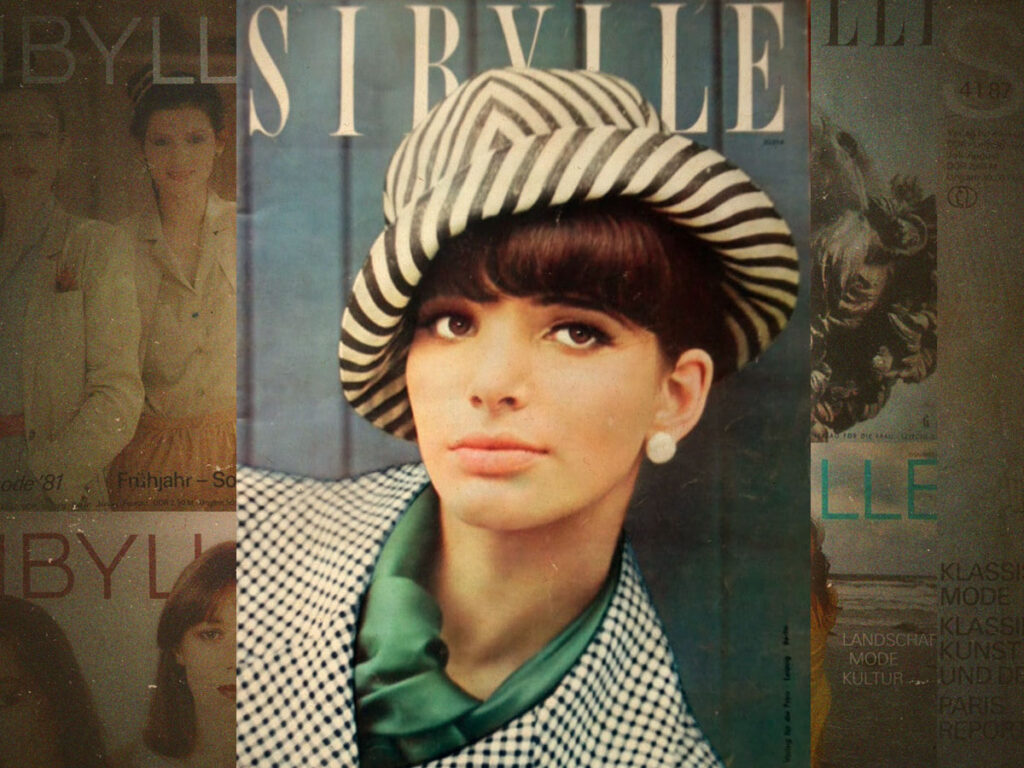
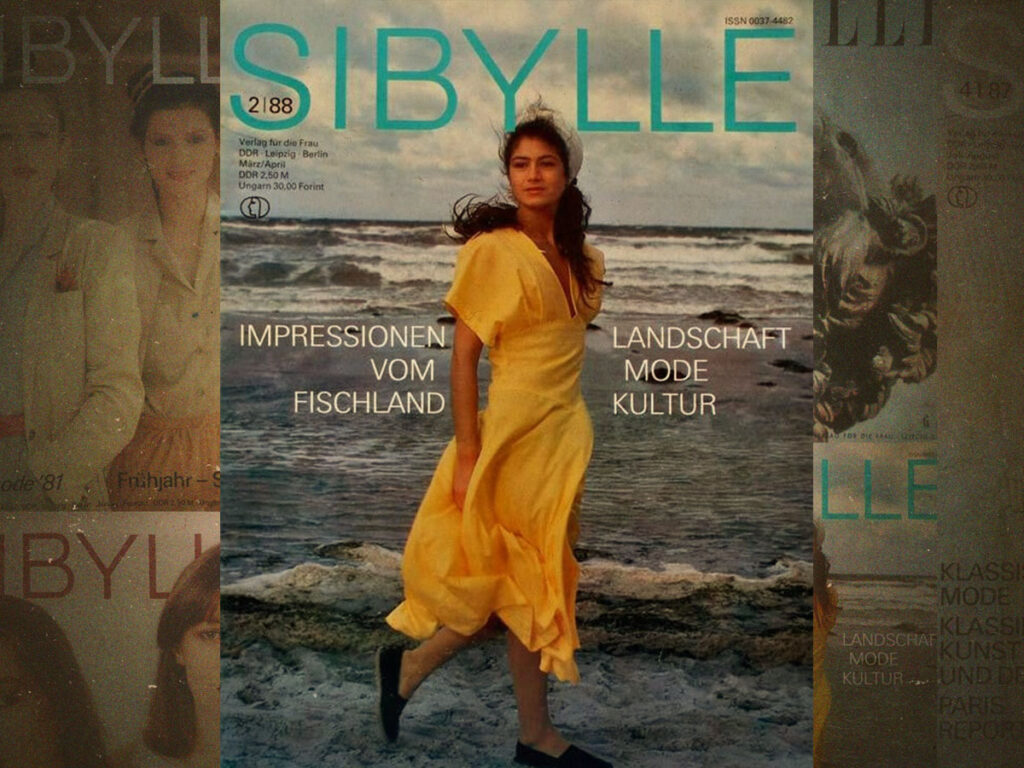
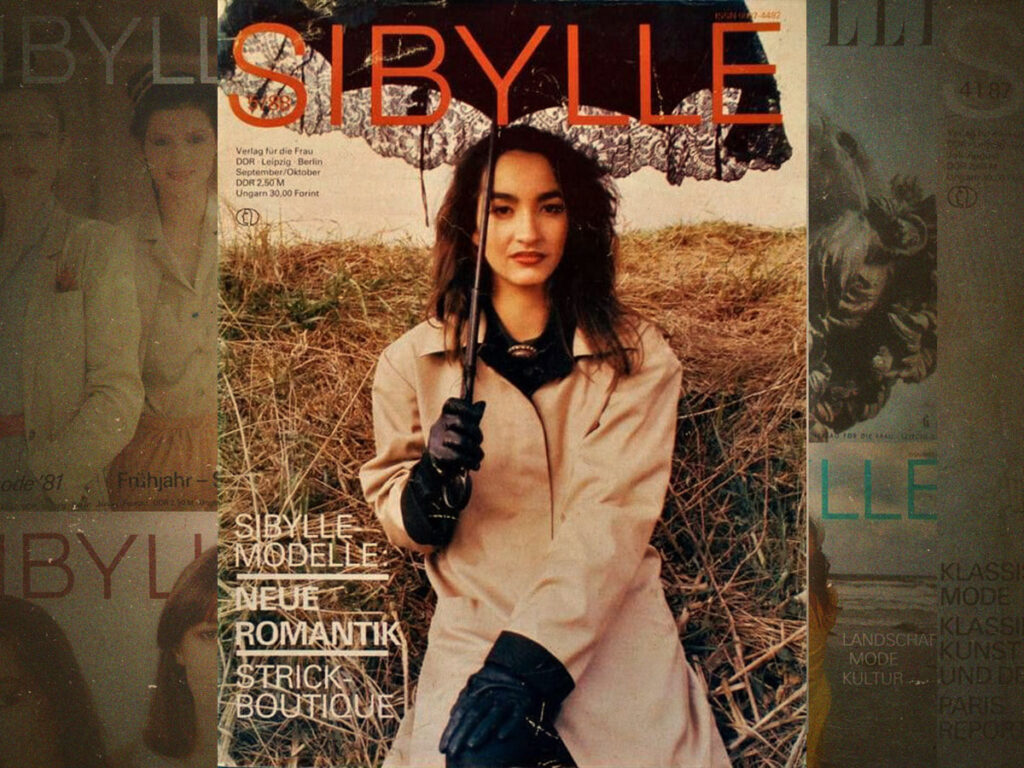
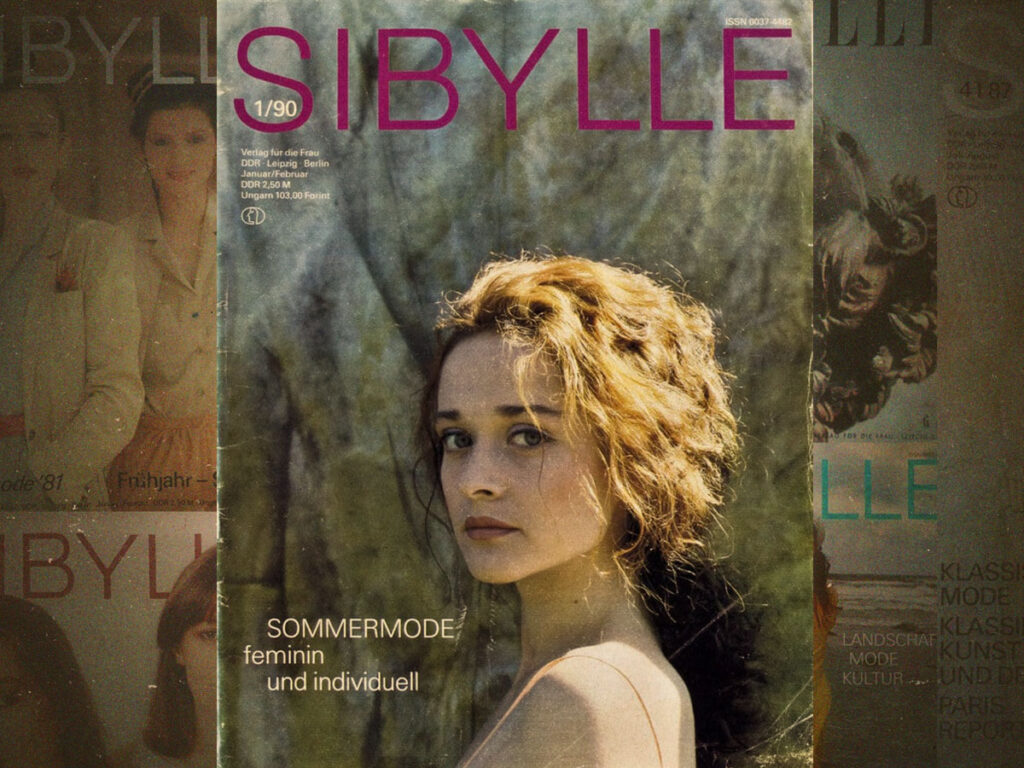
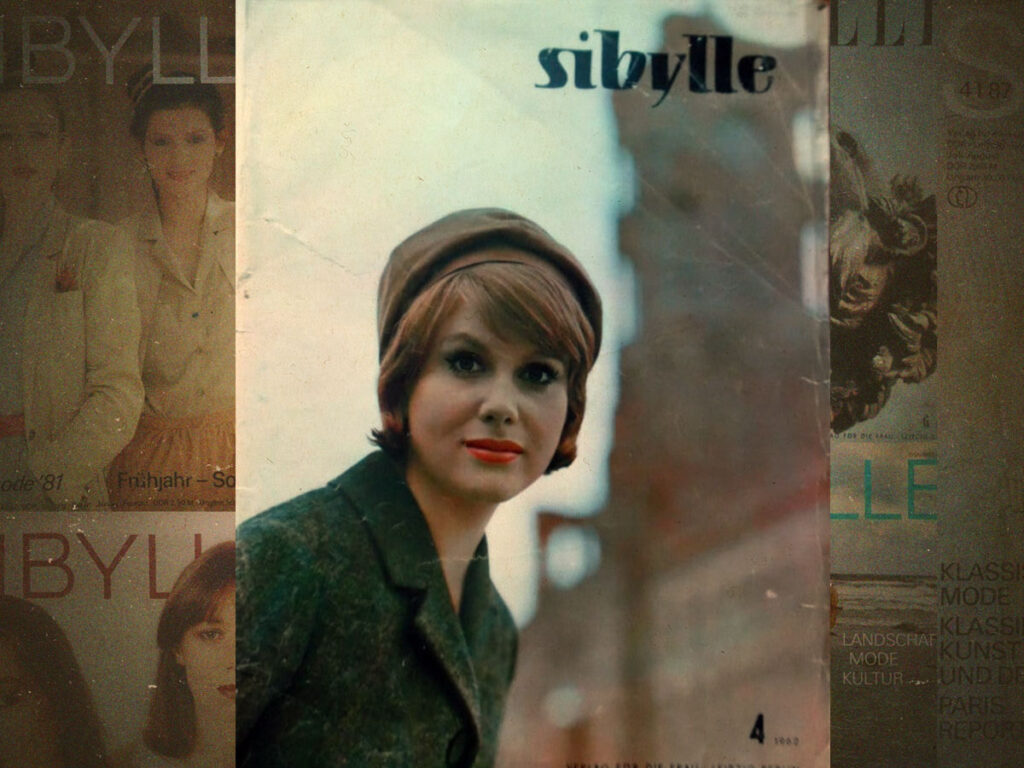
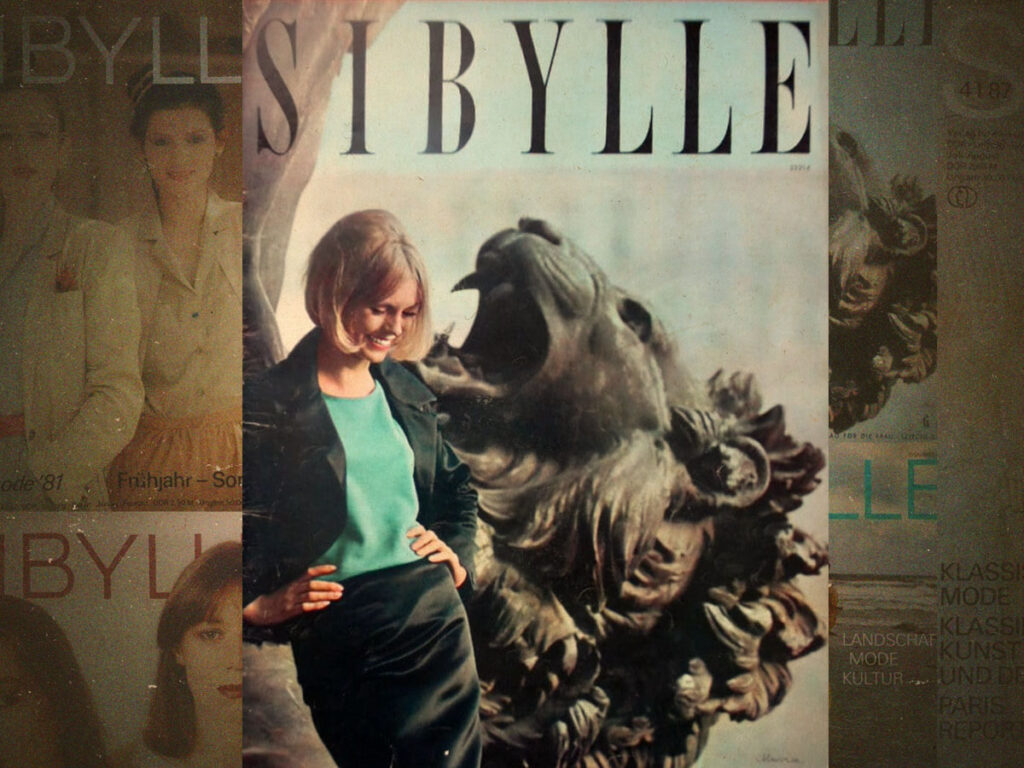
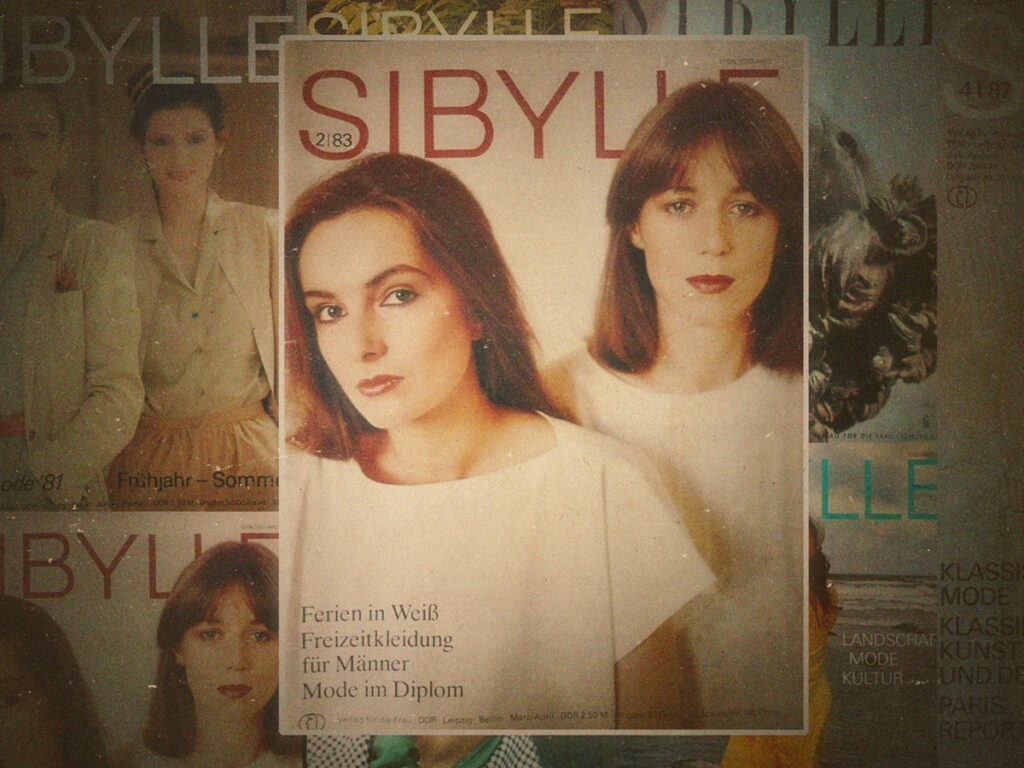
The best-known fashion magazine in East Germany, AKA the German Democratic Republic (GDR), was Sibylle. It was in print from 1956 until 1995 and named after its founder, Sibylle Gerstner. The magazine was bimonthly and appeared six times a year, and its modest run of 200,000 would regularly sell out, implying a demand among East German women for increased coverage of fashion topics.
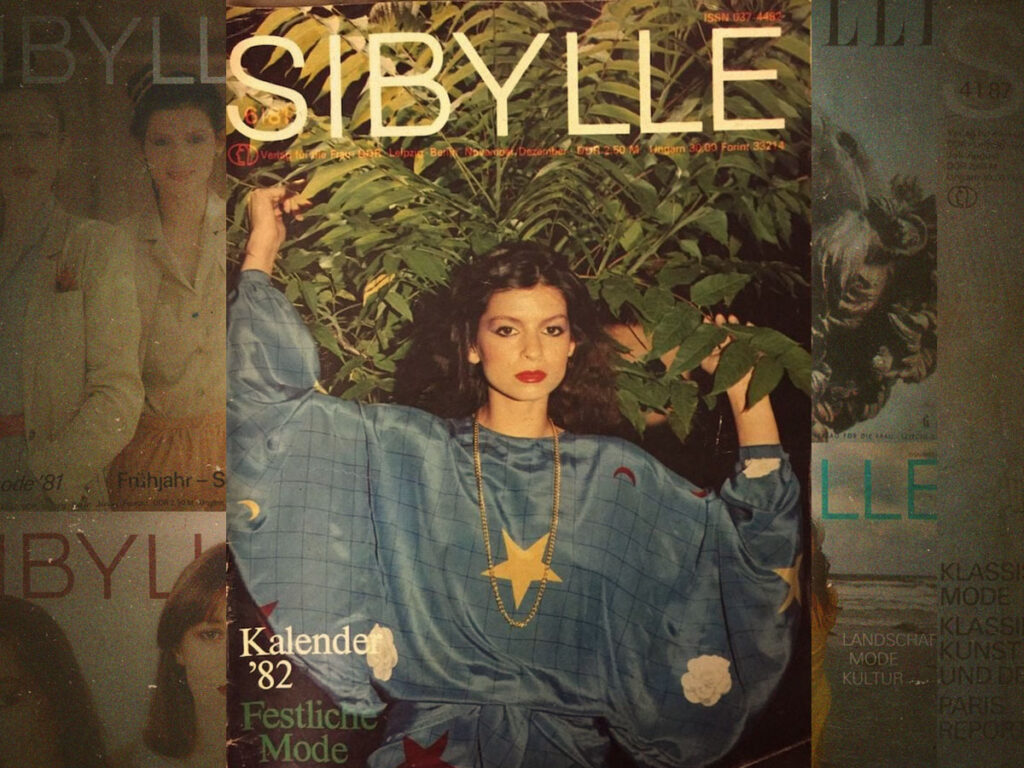
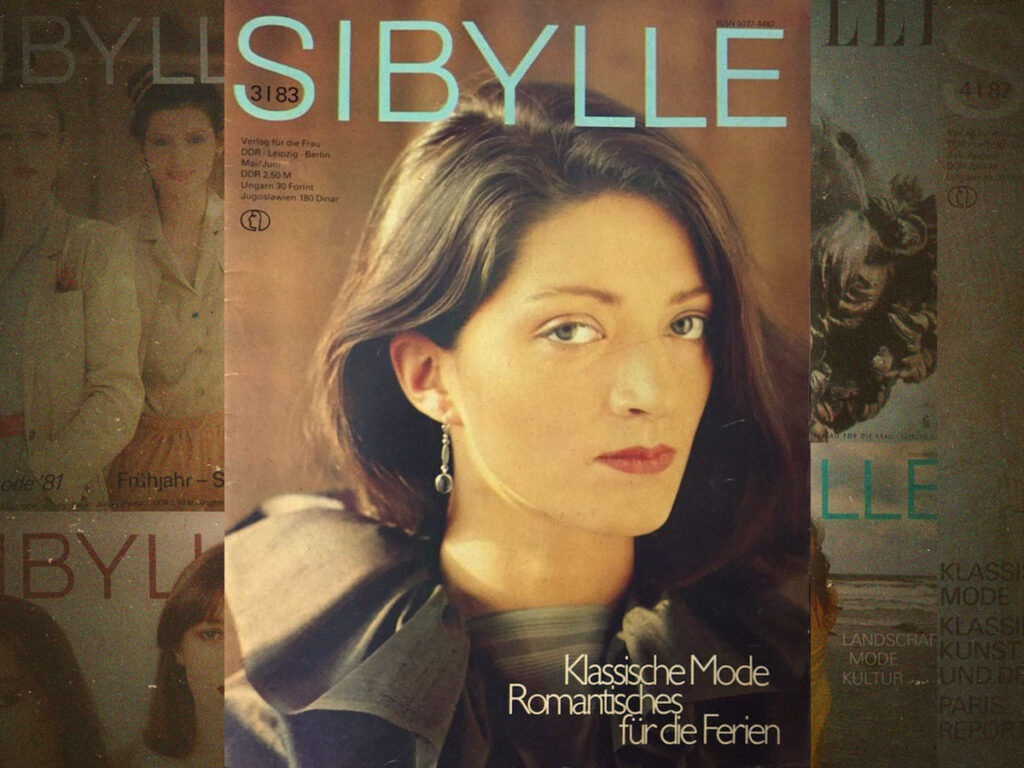
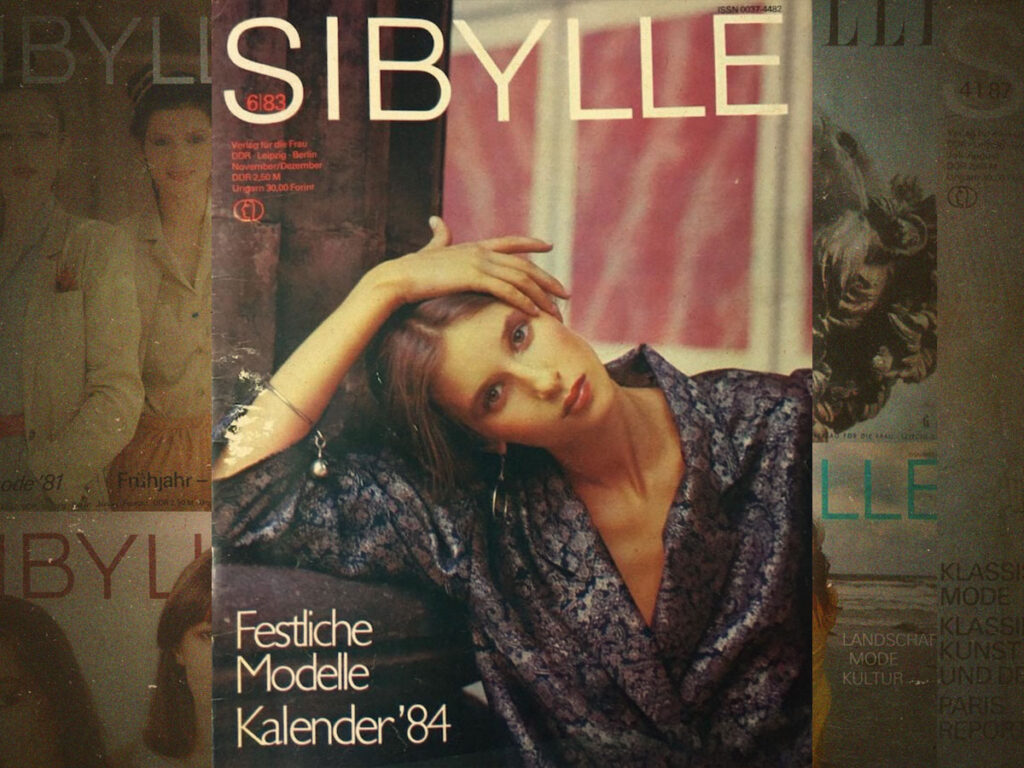
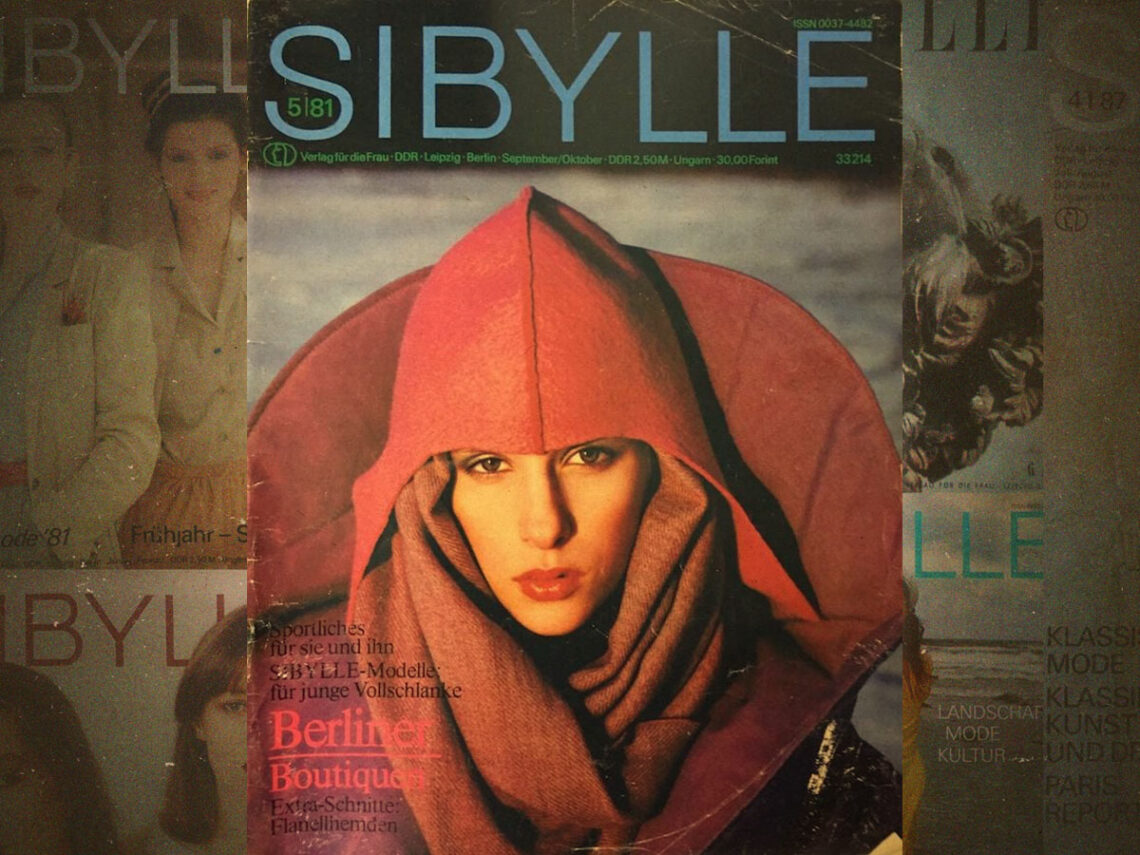
The question naturally arises as to how a socialist version of Vogue (people at the time were aware of that exact comparison) differed from the Western original. Certainly, the Sibylle covers emphasise a more natural look and eschew materialistic or otherwise illusionistic makeup and other trappings—but it could also be that we’re reading into it a bit; it’s possible that the covers are more similar than different.
The article on Sibylle in the German Wikipedia features the intriguing sentence “Auf die frauenzeitschrifttypischen Ratgeberteile wurde bewusst verzichtet”, which means that the typical women’s advice columns and similar content was consciously rejected. In the socialist East German paradise, women are not to be condescended to in matters of the heart!
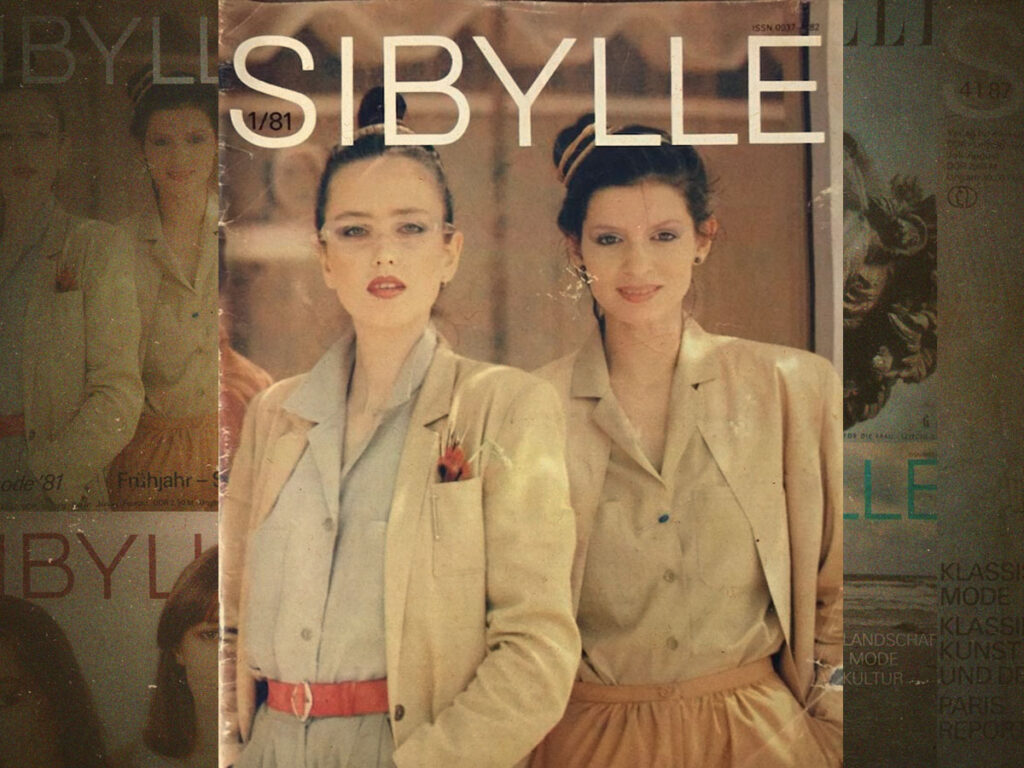
These covers from the early ‘80s aren’t just snapshots of fashion, they’re coded transmissions from behind the Iron Curtain. Take that 1/81 issue: two women staring you down with the steely confidence of factory forewomen who also happen to moonlight as Soviet fashion assassins. Their posture says “five-year plan,” but their shoulder pads scream “Haute Komintern.”
Then there’s the masterclass in icy glamour from 5/81, with its monastic crimson hood and frozen stare—part runway, part KGB surveillance file. Or the surreal whimsy of 6/81’s foliage-draped starry caftan: it’s as if the Berlin Wall threw a costume party and nobody invited NATO. What makes these covers so disarming is their restraint. No neon vomit, no screaming headlines—just style served with a silent intensity. Even the subdued elegance of 3/83 and the soft melancholy of 6/83 seem to radiate a uniquely socialist kind of sophistication.
For some reason the lion’s share of the covers available on German eBay are from the 1960s and the early 1980s but very little in between. I’m quite taken by the latter period but I’ll also show a few from the earlier span as well.