


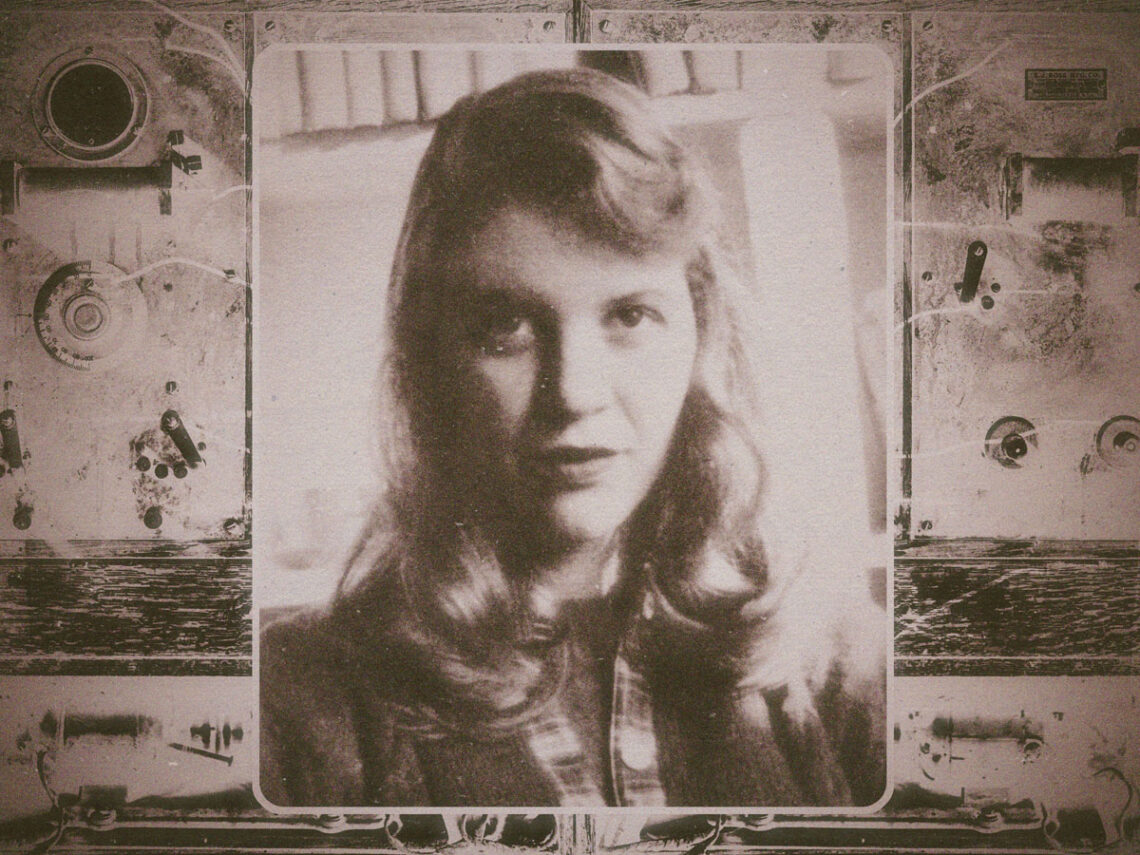
Sylvia Plath’s harrowing days receiving electroshock therapy
The Bell Jar by Sylvia Plath reads like a jet-black comedy in the beginning.
We’re talking awkward dinner dates with a try-hard radio host trying to flirt with the protagonist, the 19-year-old college student Esther Greenwood. We’re talking about a mass food poisoning event caused by a party thrown by a women’s culinary magazine. It’s not exactly a laugh riot, but Greenwood is a character who, by her own admission, feels little else other than anxiety and disorientation, but at least for the opening third, there is a sense of wry humour to it. This does not last long.
Soon, however, it becomes clear that The Bell Jar is going to some desperately sad and bleak places. About halfway through the novel, it veers into full-on horror when Greenwood undergoes a botched treatment of electroconvulsive therapy to treat her growing depression. A tale that Plath weaves masterfully, making the dread and helplessness that Greenwood feels at the hands of doctors who see her condition as barely more than an experiment vividly real in our hands.
There’s a good reason that the segment feels so viscerally real. Well, two, really. The first and most important is that Plath was a generational writer who specialised in moments of viscerally real fiction that grab the reader by the throat. The second is that Plath was writing from experience, as she was for the majority of The Bell Jar. That experience with Electro-Convulsive Therapy was her real-life experience put to page.
Which means yes, her experience was just as botched.
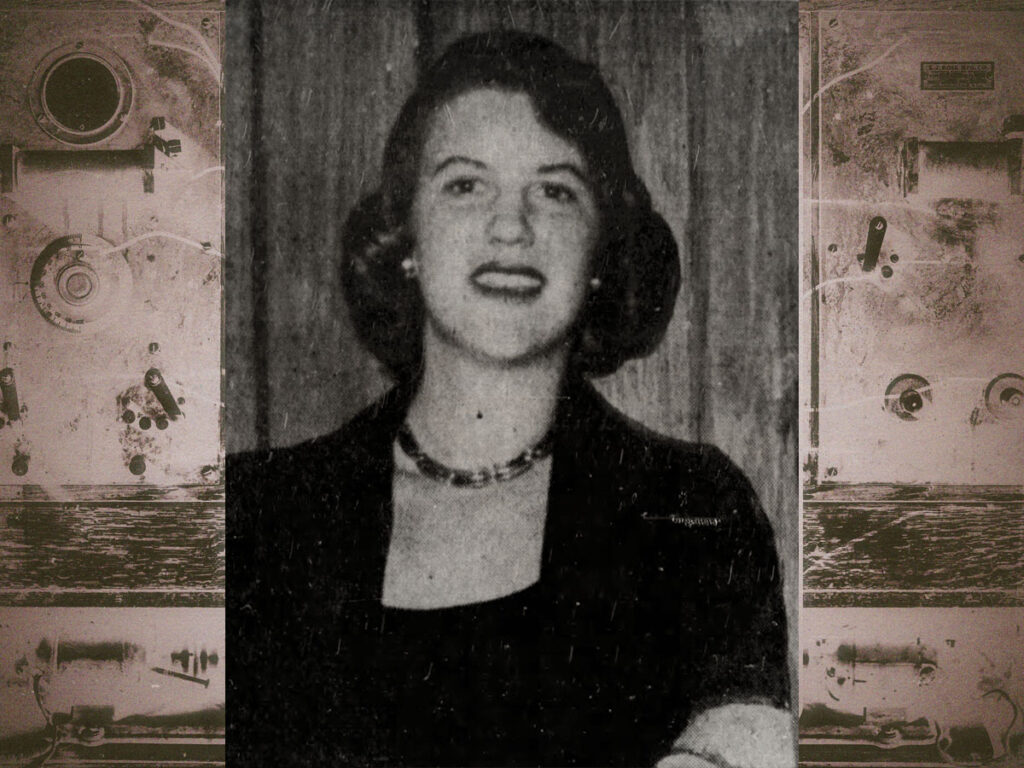
Why did Plath need that kind of therapy?
In 1950, Plath began her studies at Smith College, and she was a model student. She edited The Smith Review and secured a prestigious guest editor position at Mademoiselle magazine as a direct result. Just as they were for Greenwood, these experiences were not anywhere near as fulfilling as she expected, and she made her first attempt on her own life shortly afterwards. Slashing her legs open “to see if she had the strength to kill herself.”
This attempt’s failure, along with her attempt to get medical help for her mental health, led to her being referred for Electro-Convulsive Therapy. A practice that was, at the time (and as documented in The Bell Jar), wasn’t conducted with the aid of muscle relaxants. Thus, patients undergoing it often injured themselves in the spasms the therapy caused. Plath was no different. That, combined with just how little the therapy seemed to help, caused her to make a second attempt on her own life, crawling under her front porch and overdosing on sleeping pills.
Thankfully, this attempt failed too, and Plath was taken back in for emergency psychiatric care. It was here that she was convinced to give ECT another shot, one that was applied with a damn sight more care than the last time. After all of two sessions, the therapy seemed to work like a charm, and Plath returned to her studies shortly afterwards. The psychological scars this experience left her with wouldn’t lift so easily, though.
Plath never tried ECT again despite how bad her mental health got later in life. If it wasn’t for that initial, traumatic experience, maybe things would have turned out different.