


The black magic rituals that plagued rural England in 1963
What do you think of when you think of English culture? Is it tea? The class system? Or, perhaps, a pathological aversion to standing up to authority? All reasonable things to think of, especially that last one, but these are all fairly recent developments in the annals of my fair country’s history.
While these are developments that go back centuries, English history goes back millennia. Turns out, there was an England before queueing for the bus and the Union flag. That old version of England was actually kind of cool, built on music, community, and booze. There are still questions over the cuisine, but we made up for that with magic.
This has little to do with the sort of magic that infects our popular culture today and everything to do with something much darker, more mysterious and more real. The kind of magic that caused a massive stir in Norfolk in 1963, when three of its true historical treasures were used as the site of black magic rituals that spooked the entire nation, beginning in the ruins of Castle Rising.
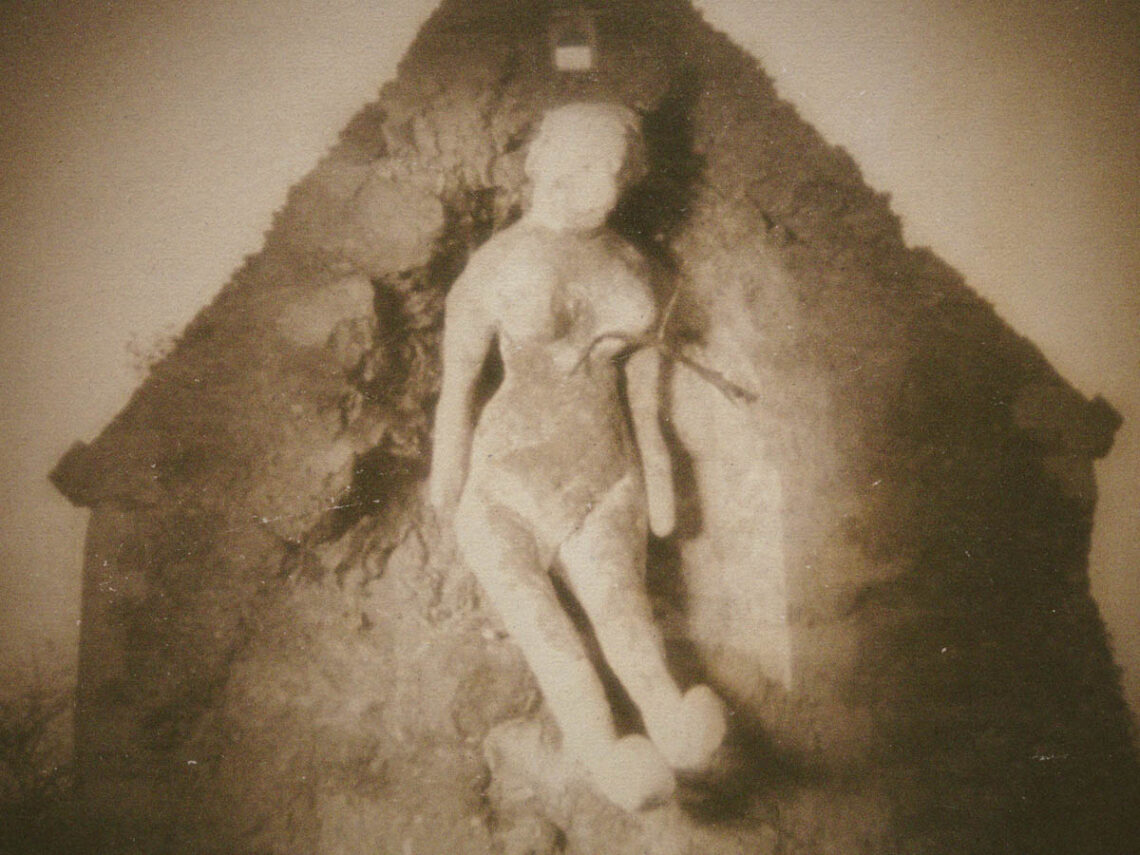
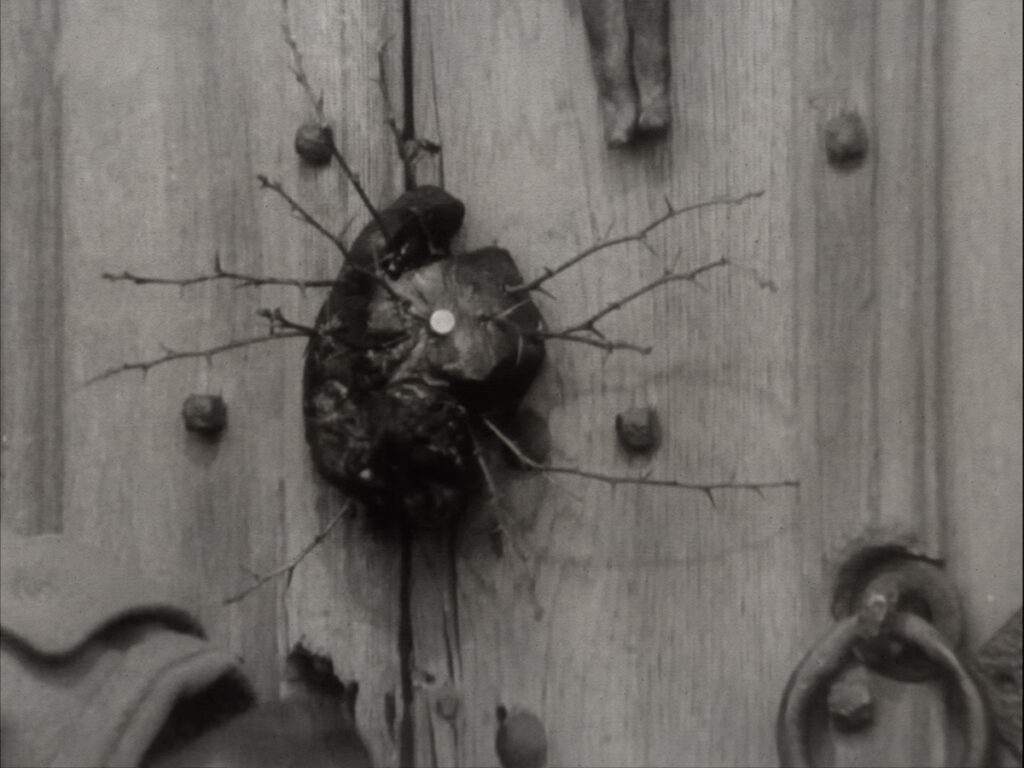
Tucked away in King’s Lynn, Castle Rising is a genuine treasure. A castle built in 1140 and still standing today. This was a place that had been used as a royal residence, a hunting lodge, and even a sanitarium for a brief period of time in the 18th century. However, by 1963, it was a historical site. That was until it made national news when a workman assigned to some of its renovations arrived to work on September 13th, and found that nailed to its front door were two human effigies, one male and one female.
Between them, however, was the really scary part. A blackened sheep’s heart fixed in place by hawthorn twigs.
What were the other black magic rituals?
Lying on the floor near them were two occult symbols drawn on the ground, presumably in the same soot that coated the sheep’s heart. In a vacuum, this would probably be nothing more than a prank. An unnerving one to say the very least but a bunch of kids who’d watched Village of the Damned a few too many times. Then, the next one came up and it became horribly clear that this was no isolated act. This was becoming a trend.
Four months later, Bawsey Church around three miles away from Castle Rising had a similar ritual seemingly performed on its site. A sheep’s heart, blackened by soot, was again nailed into place on the site with hawthorn twigs, this time on a wall. Next to it was a black circle with a candle made of black wax in the centre of it. No effigies this time, but still, there were enough similarities to put people’s backs up. However, it was the third appearance that turned this from a local news curiosity story into a full-on national scandal.
The final appearance was at Babingley Church in February 1964. A local boy, fishing in a nearby river, went exploring these ruins and was probably put off doing that for life when he discovered all three of these ritualistic objects collected inside the church’s bell tower. This discovery made national news, yet no one ever found the culprit. It could be a prank, it could be someone just wanting to scare for the sake of scaring, yet the third option is the most interesting.
After all, these were all symbols of old faith practises placed in the very establishments that stamped them out. A castle and two churches. If it was someone mucking about with spooky things without really thinking about it, they inadvertently picked some very fitting places for these items to be discovered. Perhaps it really was someone calling back to the old times, before a more oppressive, dominant idea of English Culture was first formed.