


The hidden message bookending a Pink Floyd masterpiece
Trust Pink Floyd to make the ultimate concept album.
I know that a lot of people will be very cross with me for saying that but search your feelings, you know it to be true. The Who’s Tommy is a very, very close second to the Pink Floyd masterpiece but since it was made a decade earlier, it didn’t have the ludicrous scale that The Wall has in spades. There’s a school of thought that this makes Pete Townshend’s greatest achievement the better album (one that your humble writer ascribes to), but in terms of being the ultimate example of the medium, The Wall just pips it.
This is because pretty much every aspect of the record is geared towards its story and themes. The lyrics aren’t just telling the story, they provide exposition, dialogue and characters. The music wasn’t just written to be good music; it was written to reflect the core message of the story. Case in point the rock thrust and disco strut of ‘Another Brick In the Wall Part 2’ isn’t just there to make a catchy lead single, it’s there to combine two forms of youthful rebellion. The kind that captured the hearts of Pink Floyd themselves and the kind that was popular at the time of the record’s release in the late 1970s.
This level of attention to detail is all over the record if you know where to look. In fact, one of the keys to the record can be found in two of the most obvious points of the album, yet can easily go undetected on a cursory or early listen.
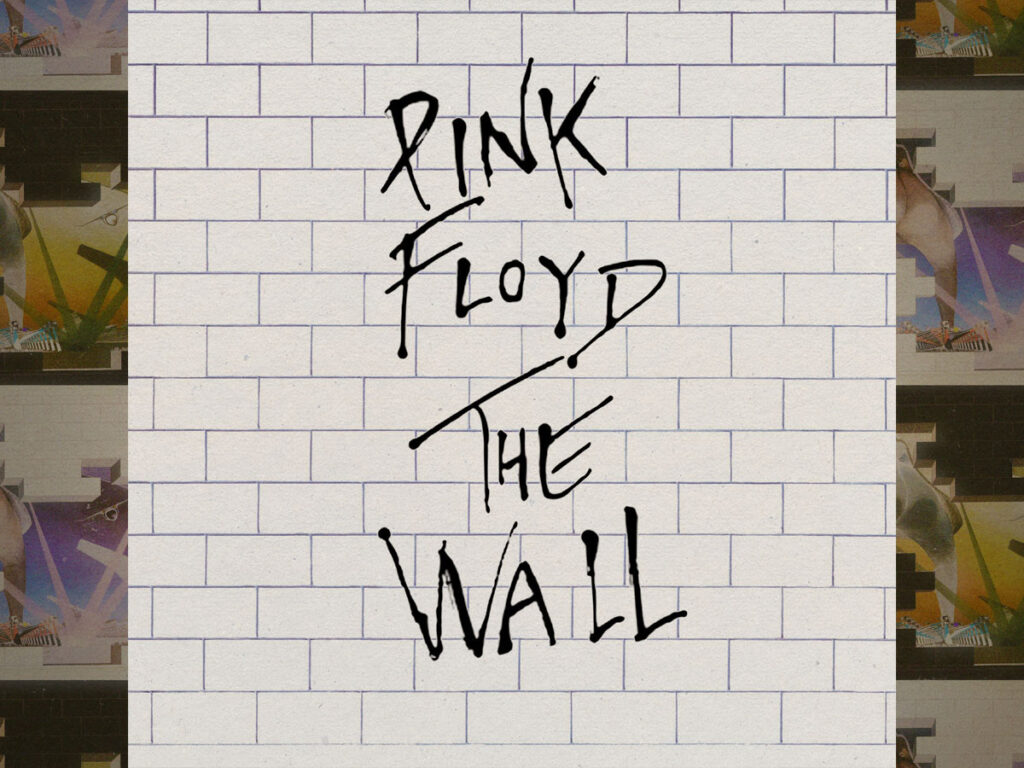
How does ‘The Wall’ by Pink Floyd play on a loop?
It’s a scene right out of the weed-scented annals of hippie mythology. If you put the needle down on The Wall, right at the beginning and turn the volume right up, you can hear a few words. No one really knows who says them, but they definitely say “…we came in?” In a slightly confused manner. The start of the sentence abruptly begins as if the record only caught someone halfway through speaking. It’s very easy to miss on first listen, because then the opening chords to ‘In The Flesh?’ hit and suddenly very few other things matter, but they were definitely there.
In fact, on first listen, it’ll be even harder to catch the very last moments of the record and know exactly what they mean, as you’ll be a little distracted by the fact you’ve just heard The Wall for the first time. As the last strains of ‘Outside The Wall’ fade out, the same voice comes back in and mutters “Isn’t this where-” before being cut off. After a few listens, you put it together. “Isn’t this where we came in?” Not only is this a rock album telling a story, it’s an album on a loop. The epic story of Pink losing touch with reality before breaking out of his self-imposed isolation is going to repeat itself. Again and again.
It’s a sobering thought for an album that otherwise ends on such an upbeat note. However, it is one that speaks to the reality of what Pink Floyd are writing about on The Wall. Addiction is rarely something you beat once and never suffer through again. It’s a cycle. One that you’ll have to go through many times and perhaps never truly beat. However, that also means it never truly beats you. That’s something worth fighting for.