Once learned, now lost: the real cost of Nazi book burnings
It’s a depressing reality that setting back medical history by centuries is one of the lesser atrocities that the Nazi party committed, but the world is nothing if not a depressing one, so it might just check out.
As depressing as it may be, that doesn’t make it any less true. Weimar Republic-era Germany was a hotbed of intellectuals in all forms. Masters of art, science, literature, philosophy, you name it, they all descended on a country rebounding from the horrors of the First World War in a way that shocked basically everyone. These masters taught classes, wrote articles and most of all, published books with these new, exciting and radical theories.
Now, to be clear, some of these theories deserved to be lost to time. Theories like eugenics picked up an alarming amount of steam during this time of laissez-faire approaches to censorship and peer review. On the other end of the spectrum, though, you had entire schools dedicated to medical concepts decades ahead of their time. Chief among them is Magnus Hirschfeld’s Institute for Sexual Sciences.
This was an entire academic foundation dedicated to research into sex and sexuality. One known for being one of the vanishingly few institutes in the world that didn’t see homosexuality as an abomination. One that, depressingly enough, probably had a more progressive view of transgender people than many people have today. That had decades of research, interviews and papers completed based on Berlin’s thriving queer scene in the late 1920s.
Now, given what you know of the Nazis, if they’re confronted by eugenics on the one hand, and progressive queer theory on the other… Which of those do you think they’d stand by?

Did Nazi book burnings work?
After the Nazis came to power in 1933, their campaign of terror against those who opposed them began in earnest.
Now, the Nazis were little more than a terror group in the first place, and individual members had been committing hate crimes against anyone different from them for decades previous. However, after the fall of the Reichstag, they now had the power to stamp out all dissenting voices on a nationwide scale. Among their most unnerving displays of power were their infamous book burnings.
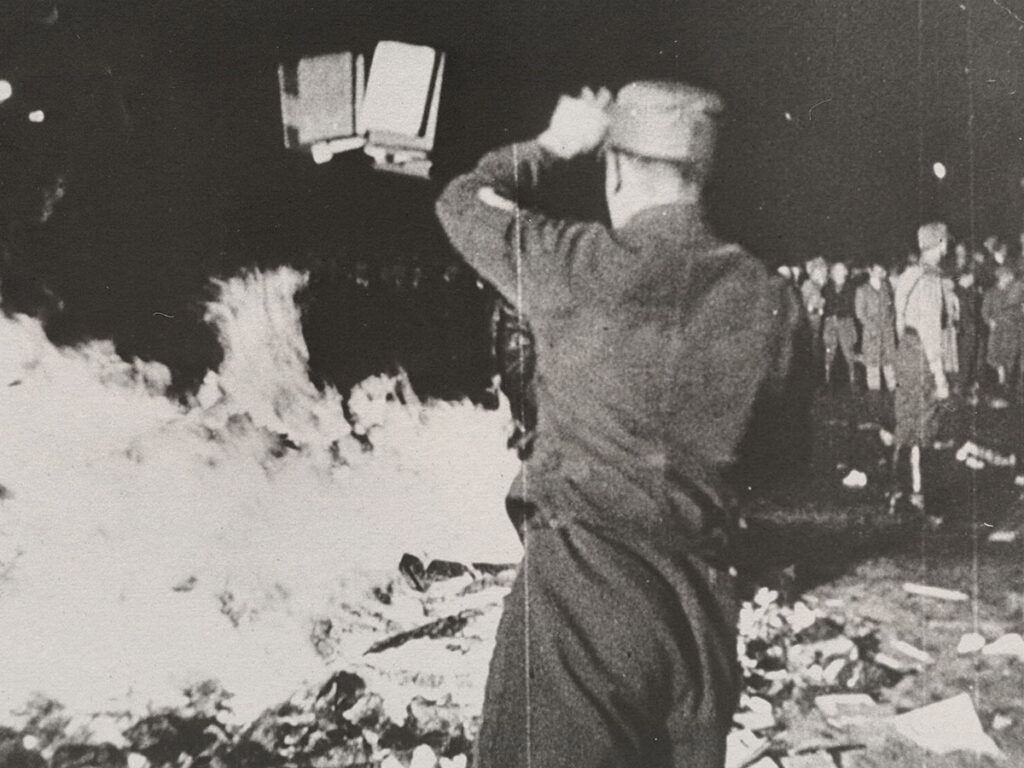
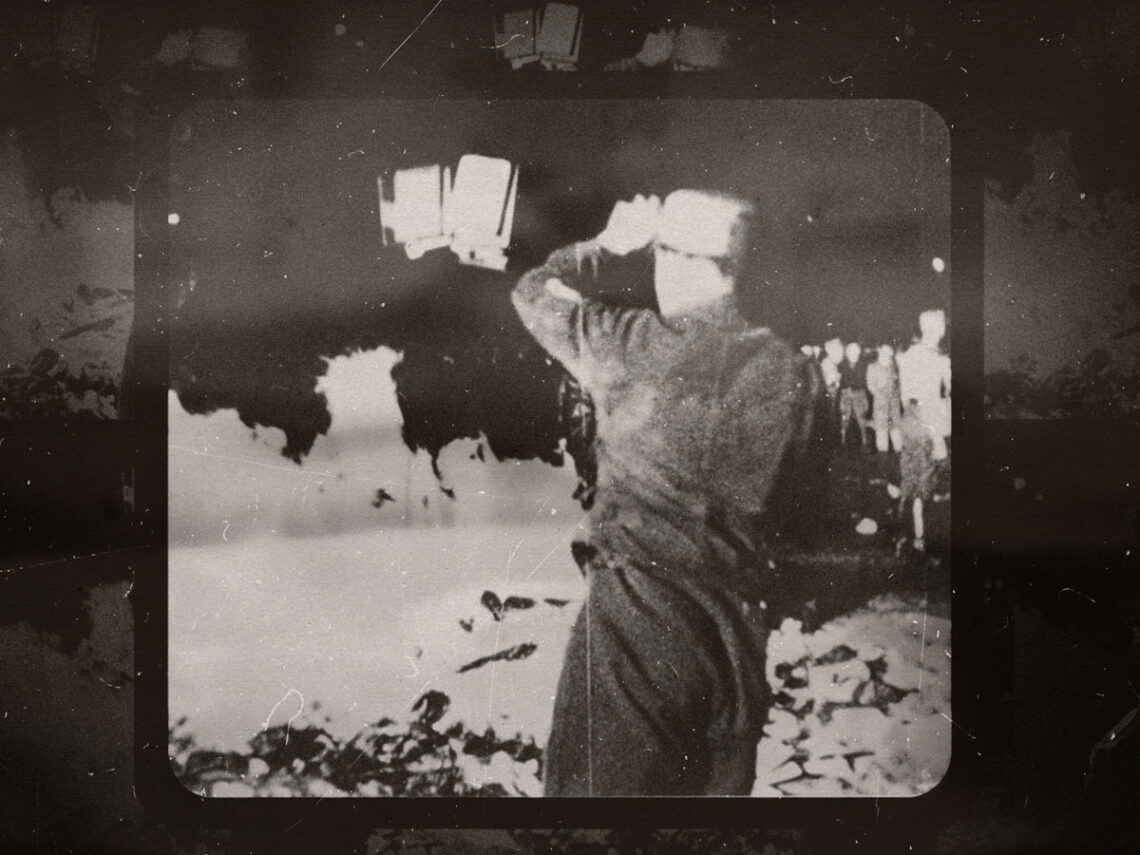
These rallies were exactly what they sound like. Pile a bunch of books deemed evil up high, set them on fire and invite people to watch and participate. Hirschfeld’s Institute was subject to one of the most infamous versions of this, where pretty much their entire database of research was burnt publicly, and their buildings were razed to the ground. Once Nazi Germany became an invading force, it was clear that this treatment was in store for anyone deemed to be their enemy.
Once they set their sights on Austria, one of the people who saw which way the wind was blowing was Sigmund Freud, who left his home country for the UK. He was right to think that, as Freud’s books were often near the top of the Nazi book-burning piles. However, Freud found the spirit to be witty about the whole thing, saying, “What progress we are making. In the Middle Ages, they would have burned me. Now, they are content with burning my books.”
A cute line, but one that missed the forest for the trees. At the time, those books were the only repository of information available to people. By getting rid of them, the Nazis deprived the world of information that we’ll never get back. That’s a loss no pithy quip will ever make up for.