Serious Chimes Squad: The brutal tragedy of the Glasgow Ice Cream Wars
Most of the time, when a city gets a reputation as a “dangerous place”, it’s a load of old cobblers.
While it’s true that bad stuff happens wherever people are, and cities are, so I’ve been told, where people are, the vast majority of the time, the bad stuff is a massive outlier. The kind of news story that becomes a news story because of how shocking it is, then goes on to be picked up by bad faith actors looking to paint anywhere multi-cultural as a dangerous and sinister place full of urban decay and violence. I can’t stress enough how much these reputations are completely unfounded. Then, you get Glasgow in the 1980s.
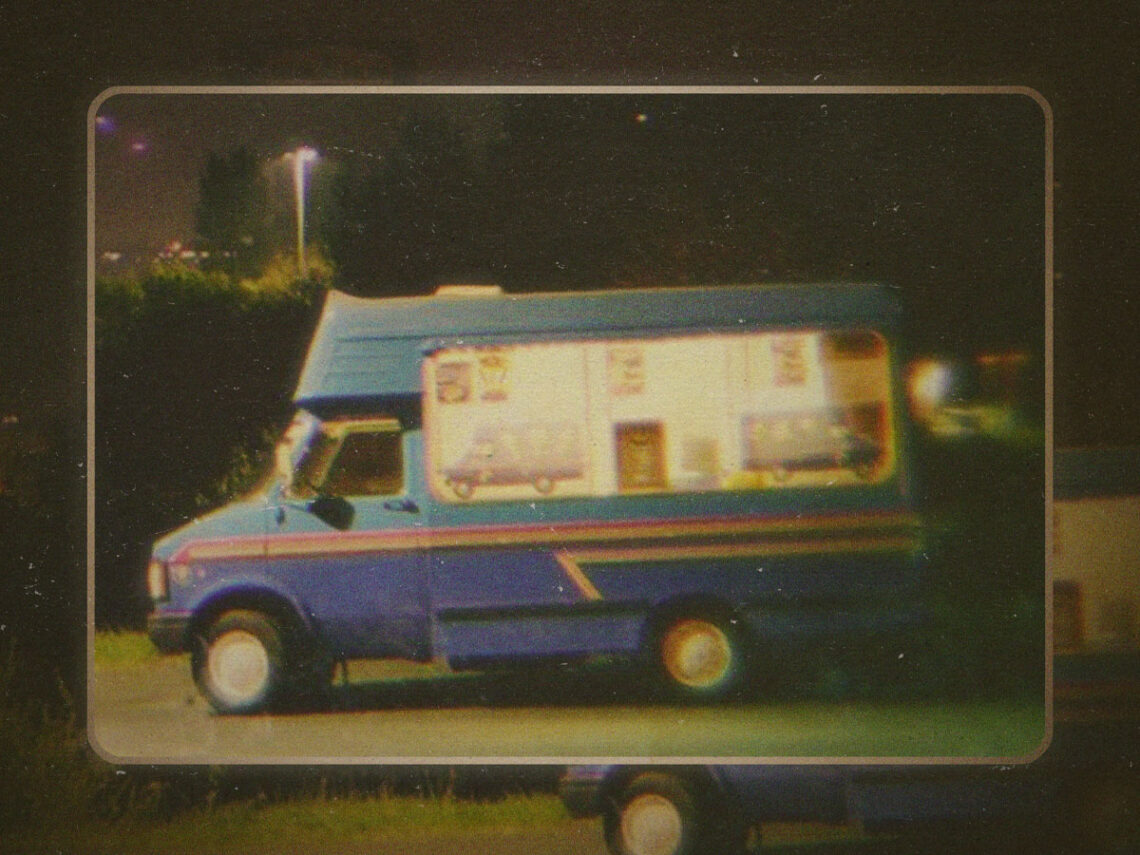
Any weegie will tell you that in their fair city’s case, the reputation was totally justified. The city was a dark place to be at the best of times back then due to widespread unemployment, along with the civil unrest and exacerbation of existing tensions that came with it. These were times when wearing the wrong colour in the wrong borough could get you stabbed and, in a subversion of childhood innocence that borders on the perversely hilarious, one of the most dangerous jobs you could have was driving an ice cream van.
This was, obviously, because while part of their income was made selling delicious ice cream, it wasn’t the only thing in their vans. After all, anyone who has spent a moment in Glasgow will know that you rarely need help cooling down. No, alongside the flakes and lollies were several things not painted on the side in unnervingly bright colours. Things like drugs and stolen goods that could be traded and bought in the light of day, while raising a minimum of suspicion.
That is, at least, until the gunfights started.
Wait, gunfights over ice cream vans?!
Only in Glasgow, right?
The truth is that the ice cream van idea worked like such a charm that several rival gangs (in a city that at the time was crawling with them) started having the same idea. They would either set up their own van or pressure someone who owned one into distributing for them as a “side gig”, knowing that these vans would often have their own turf that they’d stick to. The thing is, though, crime gangs are often much more territorial than your average crime gang. Shocking, I know.
They’re a lot more likely to infringe on another van’s route, with the garishly decorated vans being the centre of several pitched shootouts between rival gangs in the mid-1980s. The peak of this violence tragically came from someone who was trying to resist the influence of gang activity, 18-year-old Ruchazie resident Andrew Doyle. Doyle drove for the Marchetti firm and had already been shot at by gang members trying to pressure him into dealing for them on his route, yet stood against them.
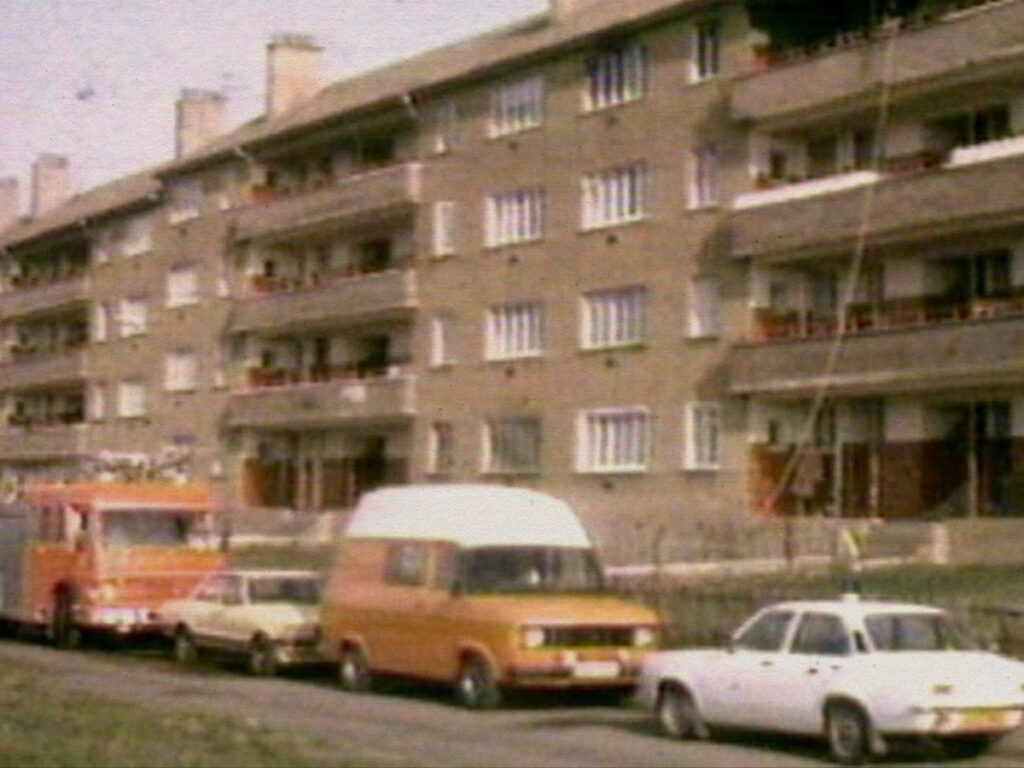
This caused more drastic action that would take his entire family’s life. At two in the morning on April 16th, 1984, the front door of Doyle’s flat was doused in petrol and set on fire. What the perpetrators didn’t know was that Doyle wasn’t the only one home. His family and three family friends, including Doyle’s 18-month-old nephew, all died after the blaze quickly went out of control and firefighters weren’t able to reach the top-floor flat in time.
This tragedy caused Glasgow police to crack down on the gang wars, tearing their community apart, leading to the conviction of Thomas Campbell and Joe Steele and the start of one of the most infamous, contentious battles in Scottish legal history.
So yeah. Sometimes, when someone calls a place dangerous, you’d be wise to listen.