


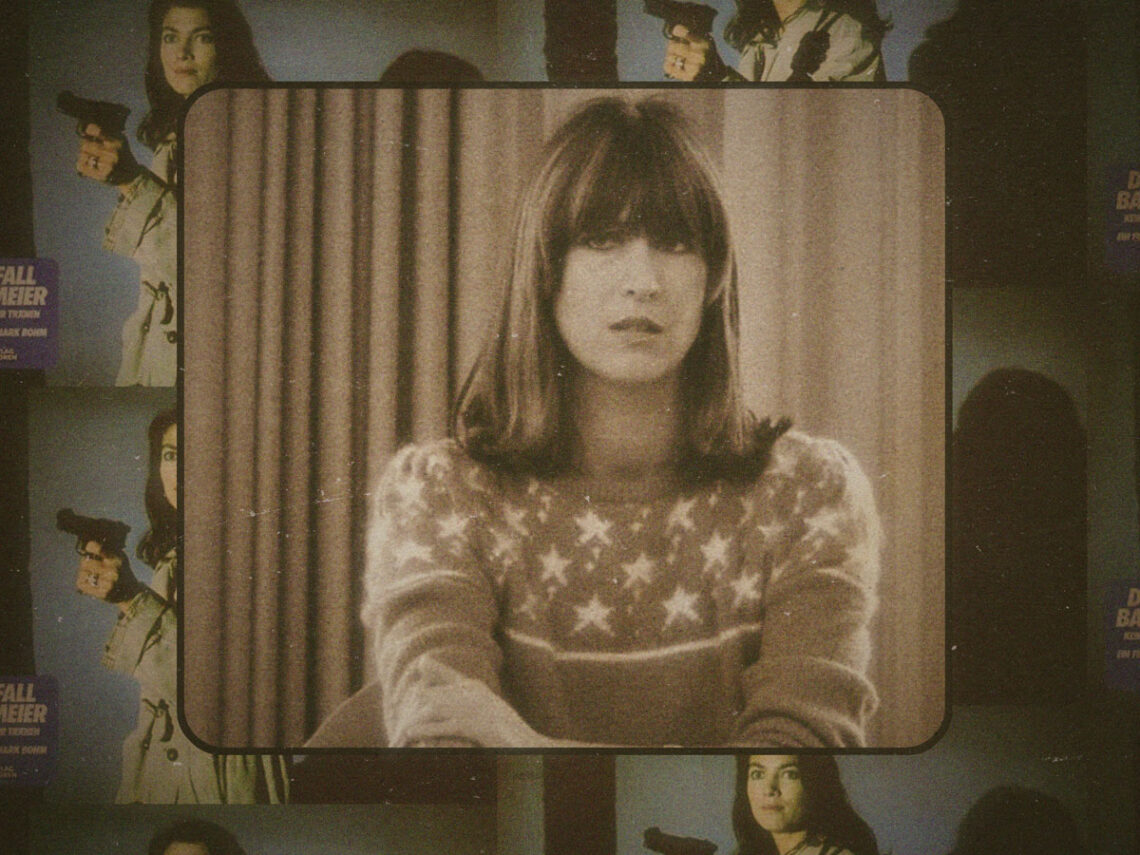
Necessary Vengeance: The tragic life of Marianne Bachmeier
Vengeance is a dangerous path to tread.
One can easily lose oneself in it. Become so twisted by hatred and rage that the core desire, to enact justice upon those who have escaped it, gets merged with the cathartic urge to cause pain. That the ends justify the means even after you have lost sight of what it is you are acting towards.
However, I also realise that I am parroting the words of people who fundamentally don’t want oppressed people to take action against them. Not only because of how morally justified that action is, but because of how necessary it is.
The systems put in place to enforce checks and balances on our society are woefully inadequate. That is, if you consider them put in place to dole out justice to those who break the law. If you consider them to be put in place to enforce societal inequalities, however, suddenly they’re a lot more effective at that. Perhaps it’s intentional, perhaps it’s not. Intentions count for nought when compared with outcomes, and the outcomes show that courts cannot seem to effectively stand up for countless people. Most notable of these are people who’ve been affected by crimes related to sexual assault.
Obviously, there are more informed pieces about this phenomenon than anything I can say on the subject out there. The plays Prima Facie and Inter Alia are great places to start. Beyond works of fiction, there are also real-life stories about the ways people take matters into their own hands when the justice system fails them. Chief among them is the story of Marianne Bachmeier, a harrowing one, but a necessary one to say the very least.
Who was Marianne Bachmeier?
Born on June 3rd, 1950, in Sarstedt, West Germany, Marianne Bachmeier was dealt a truly horrific hand in life. The daughter of a former Waffen-SS Soldier, Bachmeier’s family life was traumatic from the very beginning, leading to her being kicked out of her family home as a teenager. By the time she was 22, she’d had her third child, Anna. The previous two had been given up for adoption, and thus, Bachmeier was determined to raise Anna herself.
The problem was that Bachmeier worked as a barmaid; thus, her days were spent sleeping off the previous night’s shift. Bachmeier left Anna to her own devices in her childhood. Something that causes no end of friction between the two. On May 5th, 1980, when Anna was seven, an argument between the two caused Anna to skip school. By the end of that day, she was dead. Abducted, assaulted and murdered by their neighbour, Klaus Grabowski. This was not Grabowski’s first offence against children.
Grabowski’s trial began the following year. Considering the outcome of previous trials, Grabowski hadn’t done anything to prevent the death of her daughter, Bachmeier took matters into her own hands. She snuck a pistol into the court, and the moment she saw Grabowski, she shot him six times before lowering the gun and being apprehended without resistance. Bachmeier was tried for murder, but the charge was lowered to manslaughter after the prosecution dropped the initial charge. She was sentenced to six years, served three before being released early for good behaviour.
Bachmeier passed away at the tragically young age of 46 from pancreatic cancer. She’s buried next to Anna in Lübeck’s Burgtor Cemetery.