


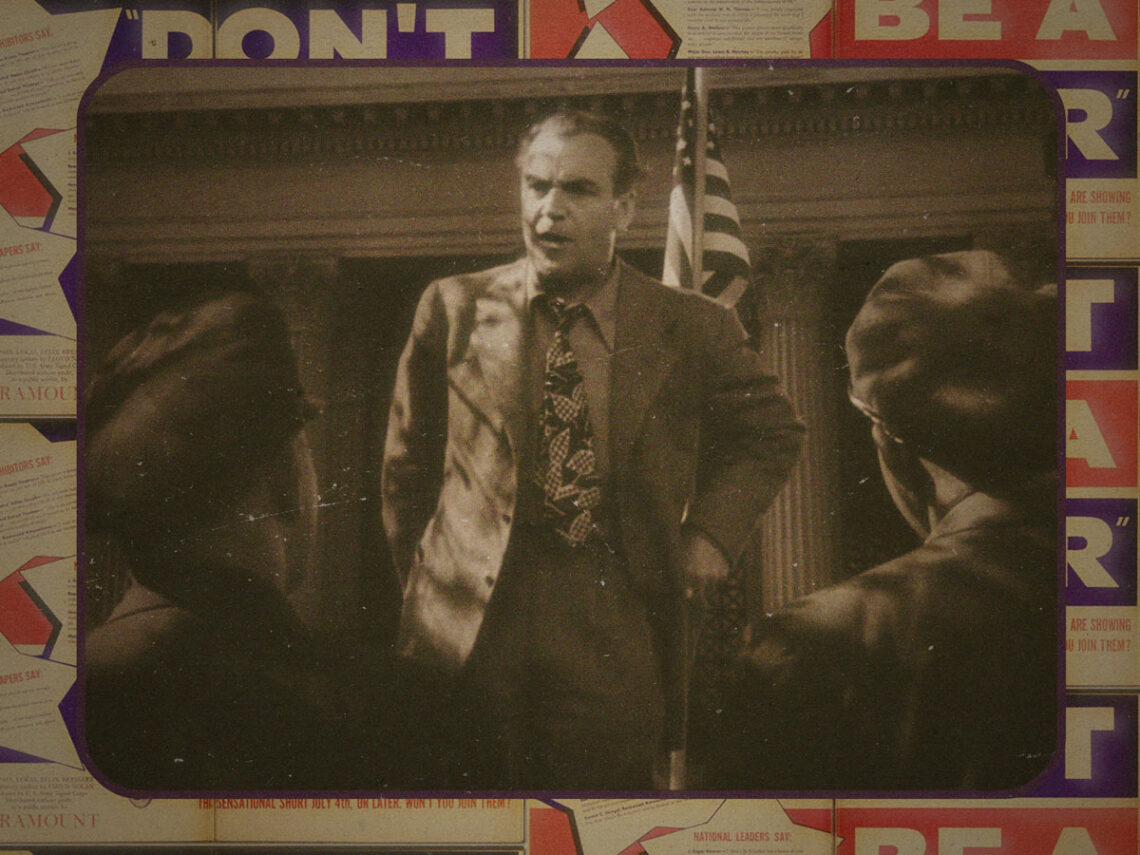
Changing times: how the US Army warned the world of fascism 80 years ago
Dear reader, like most emotionally stunted man-children in their thirties, more interested in pop culture than being a functioning member of society, I have dabbled in screenwriting in my time.
Let me tell you that if any of us wrote that in the 1940s, the United States Army, of all people, produced a film about falling for the dangers of fascism that most of its members could learn a thing or two from in 2025, we would be laughed out of any decent writers’ room. It’s just too on the nose for the weird and wonderful world of fiction.
Too easy a target, too broad a metaphor and besides, on a darker note, it’s difficult to believe that the United States Military would ever try to stop stoking division between the people it’s trying to protect. It’s easier to believe that the United States Military has always been the way it is today. After all, you don’t have to look too hard to find military-sponsored propaganda about rooting out communist activity in your union from the 1950s.
In fact, from that same decade and earlier, you can quite easily find shocking military-sponsored propaganda about how Japanese people are inherently untrustworthy. The truth is, though, that at least in 1945, there was at least a wing of the US Army that genuinely wanted people to be clued up about the ways people fall for fascism. We can see that from a film they produced with the quite hilariously on-the-nose title of Don’t Be a Sucker.
My, how we all wish they’d follow their own advice.
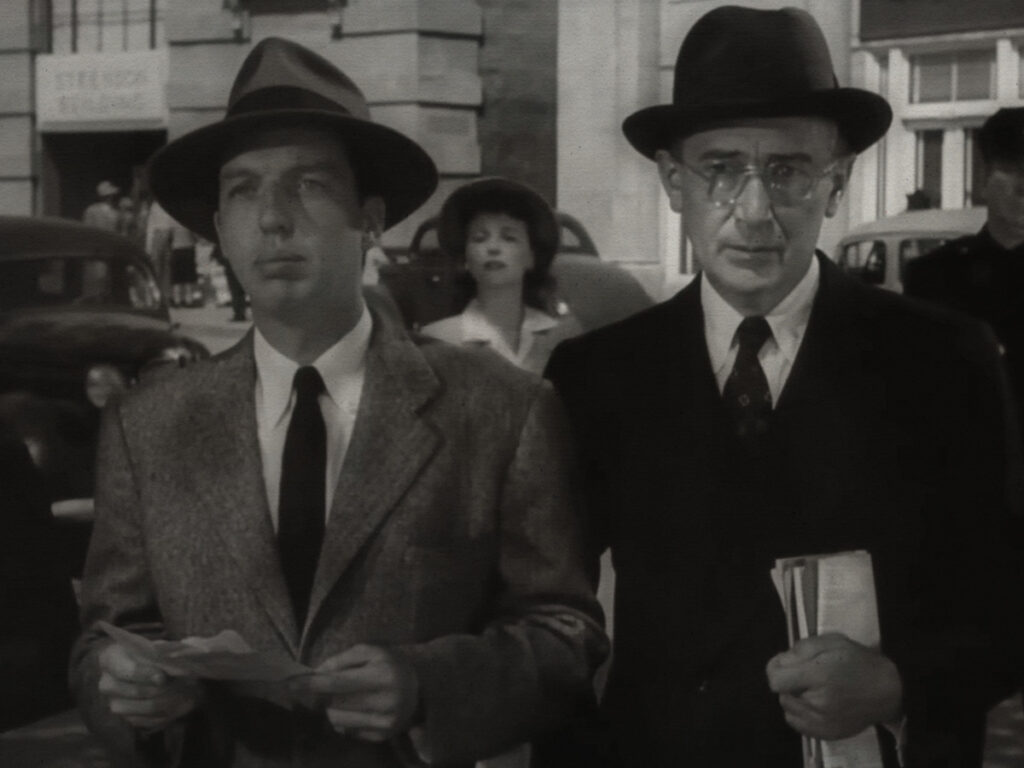
How does Don’t Be A Sucker warn against fascism?
After a montage showing the many kinds of sucker one can be in this world, the film follows Mike, a frustrated, working-class everyman who is also, crucially, a freemason. Mike goes about his day before he walks past a street preacher ranting about how minorities are threatening to take away the birthright of American citizens. This catches Mike’s attention.
Why wouldn’t it? Fascism gives him a simple answer to why he feels so insecure in life, and also something to fight against to protect himself and his family. He gets more and more invested in what the preacher is saying, saying how people must be wary of the untrustworthy Jews, the deviant homosexuals, the violent blacks, the conniving Freemasons, and most of all, the-wait, what was that last one?
Yes, the fact that the preacher is putting Freemasons in with all the other targets of his ire is enough to spike him out of his reverie. A nearby professor, a Hungarian immigrant, spots his reaction and talks to Mike about how this same rhetoric was allowed to get too out of hand in Berlin not that long ago, and the Nazi regime behind this rhetoric eventually fucked the entire country. From the targets of its ire to loyal Nazi supporters. Mike is convinced, agreeing with the professor that any true American would stand up for the liberty of others, whoever they may be, and rips up the flyer the preacher gave him.
Is it a little simplistic? Of course. What the Nazis were doing wasn’t wrong because eventually “normal” people got fucked over by them too, but I’m nitpicking. This was a film clearly aimed at the kind of person who saw themselves as a true-blue American without a hint of alternative thinking in their brains, and anything that encourages those people to see marginalised people as human beings worthy of rights is worth encouraging.
It’s a damn sight better than what we have today, and it’s pushing 80 years old. You really couldn’t make it up.