


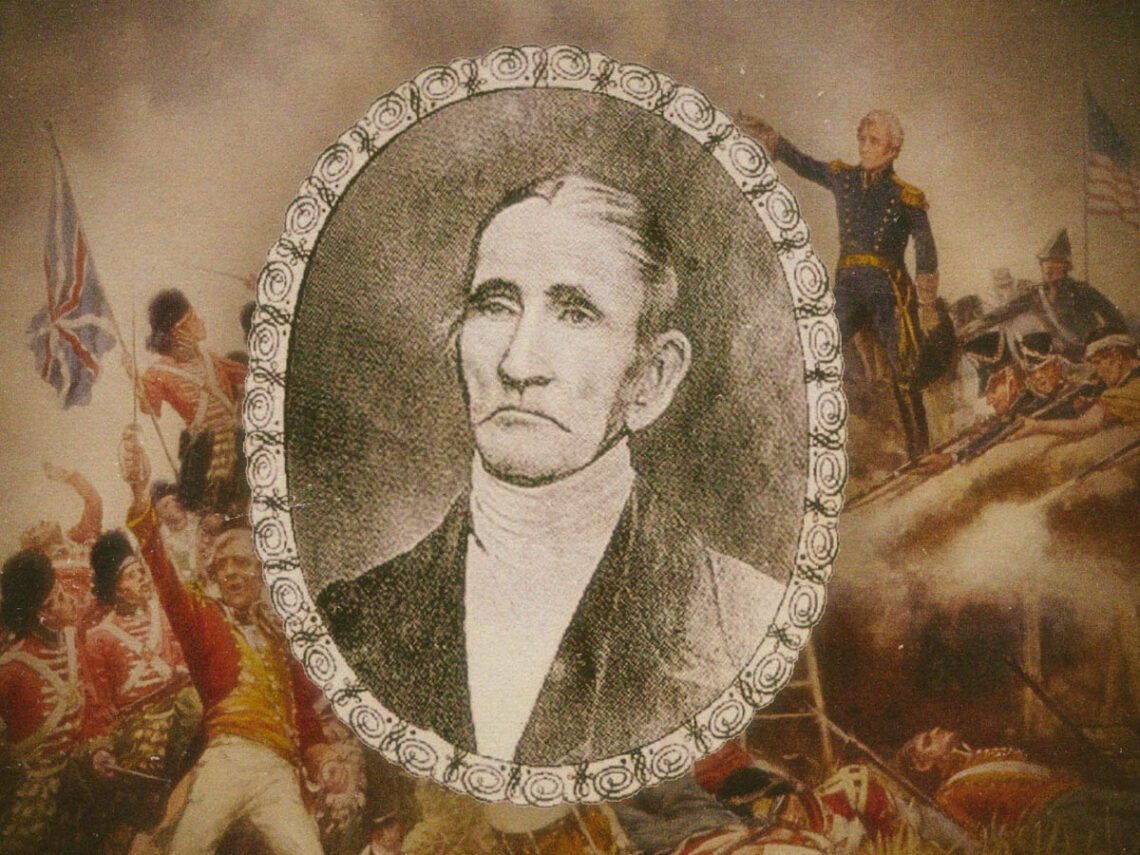
Stephen Pleasonton: The nobody who saved America’s independence
A strange, but vitally important part of war is judging how serious your opponents are about their intentions.
This might sound silly, but it’s the truth. Especially if it’s a long-term conflict where you have established a level of communication between yourself and your enemy. That may be a communication channel ostensibly saved for negotiations, but it will also be open to plain old psychological warfare and deception. Your opponent might be swearing blind that they’re only going to take the targets they’ve stated. This could be complete cobblers, you just won’t know until the battle itself.
Case in point, the war of 1812 between the United States and the United Kingdom. What, you thought we were just going to take those brutish colonies chucking our tea into Boston harbour lying down, did you? No, not by a long shot.
Ever since the American Revolution ended, there has been friction between the new nation and its old master. Tensions that were exacerbated hugely when the Royal Navy began enforcing tighter restrictions on American trade with its old buddy, France.
The US declared war on the UK shortly afterwards, and by 1814, this was proving to be a much worse idea than the last time they’d done that. So much so that in August of that year, Washington, DC, was confronted with the British Army knocking on its door. Convinced that the British meant to take the city, President James Madison ordered his staff to preserve the books and papers of the state department. Anything of value was to be preserved. However, there was one dissenting voice here.
That of Secretary of War John Armstrong, who was convinced the whole thing was a sham.
How the War of 1812 nearly destroyed American independence
Armstrong, a firm believer in the honour of war, believed that the Brits were sabre-rattling and that all Madison’s worries about the safety of the capital were unfounded.
When he saw senior State Department Clerk Stephen Pleasonton trying to pack up the presidential residence, he reproached him, telling him there were more important tasks to be done than this useless panicking. Caught between a rock and a hard place, Pleasanton focused on the order his president had given him.
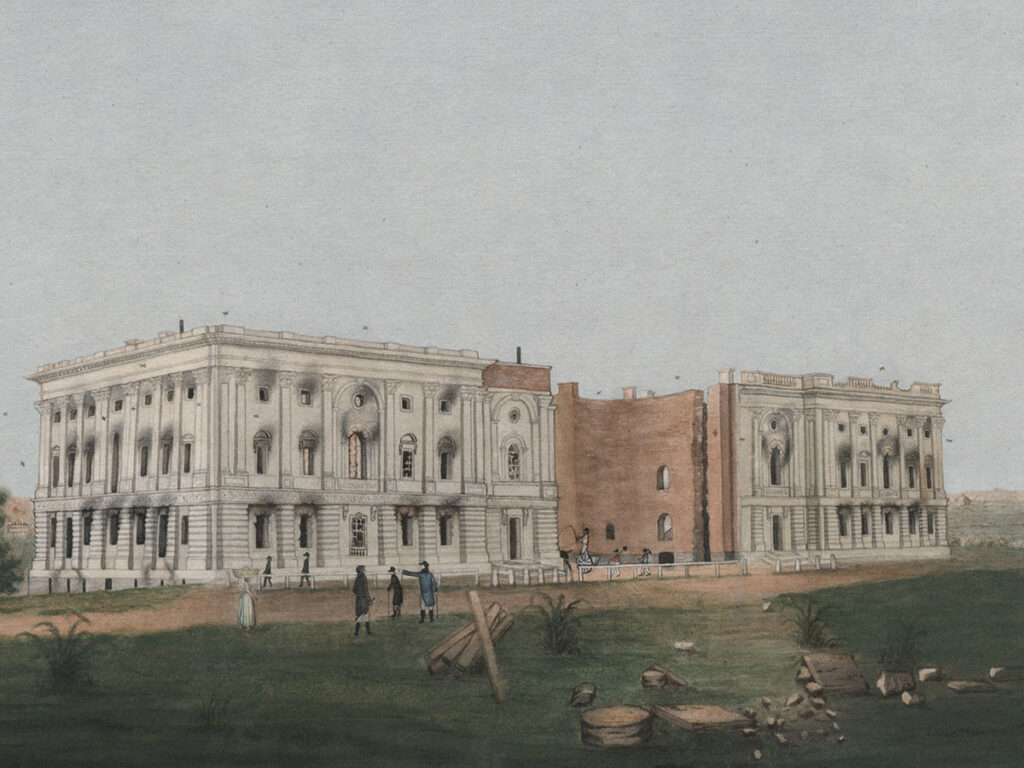
In fact, he went one step beyond and preserved a vital part of American history, in amongst the chaos of a city in uproar, Pleasonton rode to the National Archives and gathered up the Bill of Rights, the Constitution, George Washington’s Military Commission and most of all, the Declaration of Independence. This was a smart move. Within days of Madison’s staff fleeing DC for Virginia, the National Archives lay in ruins, as did the Capitol building and most of the official buildings in Washington, DC.
The British army cleared the city shortly afterwards. If Armstrong was right about one thing, it was that the British weren’t going to occupy the city for an extended period of time. Though this was because they didn’t plan on leaving much of a city to occupy. Armstrong was relieved of his services by Madison shortly afterwards, and thanks to Pleasonton, the documents that shaped America survived the war.
Spending the next three years stuffed into the rafters of a barn in Virginia. The things you do for your country, eh?