


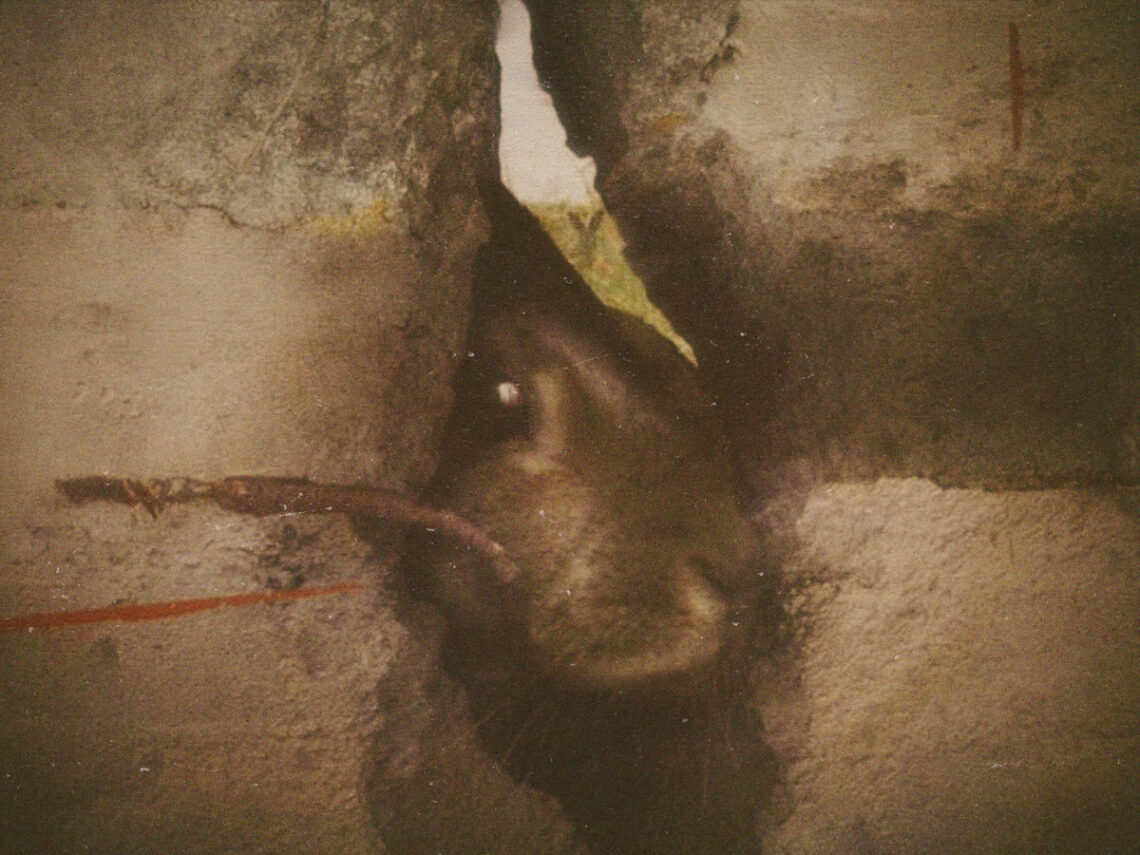
The Bunnies of the Berlin Wall: how a warren of rabbits lived in “the death strip”
Everyone knows that for nearly half a century, Berlin was a city divided. 36 years after the Berlin Wall came down, however, I don’t think we quite understand just how deep that divide went in our history.
West Berlin was a small enclave of the modern world, ensconced in the middle of what was essentially enemy territory. To some, it was an arrogant propaganda machine. To others, it was the only way to get out of state-sponsored oppression. Both were right. Both were wrong. Both were kept metres away from each other, but also worlds apart by the Berlin Wall. Now, unlike most visions of it we have today, the Berlin Wall wasn’t entirely a literal wall.
Instead, it was two, with a wide strip of land, known as the “death strip”, in between them. Such a cheerful nickname was given to this land because that’s exactly what would happen to anyone caught by one of the groups of guards trying to cross the border into West Berlin. And it was always that way around. Thus, you had a “no man’s land” in between the two borders that seemed to be just as lifeless as either of the concrete walls that bordered it.
Except looks can be deceiving. Life, to quote a wise man, finds a way, and while something can look cold and dead on the surface, sometimes all you need to do is look a little closer. Humans may not have been living in the death strip, but something was. Scratch that, something was thriving in a little strip of land that served to define just how lost humanity seemed to be in the post war period. Something that shows just how much bigger this world is than just us.
That thing was the enormous warren of wild rabbits that grew in this so-called “death strip”!
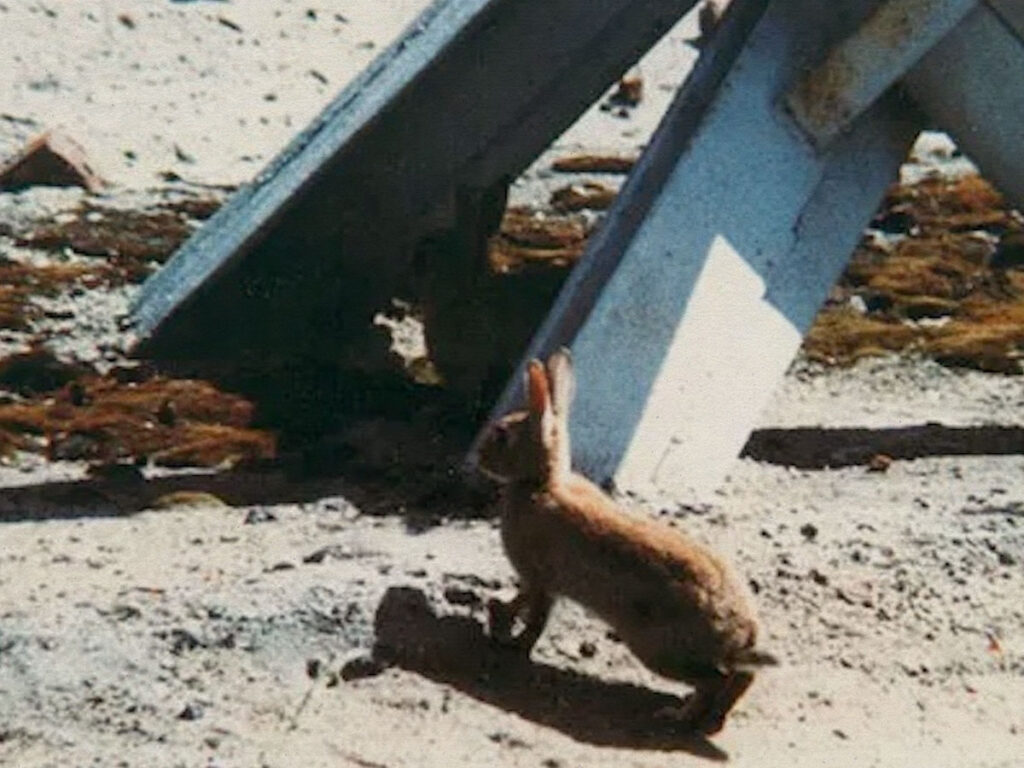
What happened to these rabbits living in the Berlin Wall?
Which makes sense. When the wall was erected in 1961, there were a fair few rabbit warrens that lived in the city, but suddenly, they had a place to go that was entirely their own. For decades, they had the ultimate nature reserve. Territory completely unaffected by man that stretched on for miles and miles. Thus, the rabbits did what they do best. They multiplied. Within a decade of the Berlin Wall being built, thousands of rabbits lived in the middle of it.
It was one of the vanishingly few truly beautiful things about the whole sorry affair. The fact that, if you could get close enough, you could see something truly natural and beautiful happening in the middle of such division. Honestly? It’s a shame that the people with the most access to something as pure as that were the guards patrolling the wall. Just as it’s the one bright thing in a truly dark time, it’s also the one thing that otherwise complicates an uncomplicated joy like that cursed wall being torn down in 1989.
Because suddenly, those rabbits were having their territory built on for the first time in decades. Rabbits are not built to coexist with humans or other pests like rats, cats and dogs, so the ones that didn’t die? As many East Germans had been doing for decades before, they made a desperate attempt to migrate west. Many did exactly that, but thousands more didn’t make it, but those rabbits were immortalised in 1999.
The artist Karla Sachse installed 120 brass rabbit silhouettes on Chausseestraße, the street nearest where their biggest warren used to lie. It’s nice to know that in some small way, their home still lives on in spirit.