


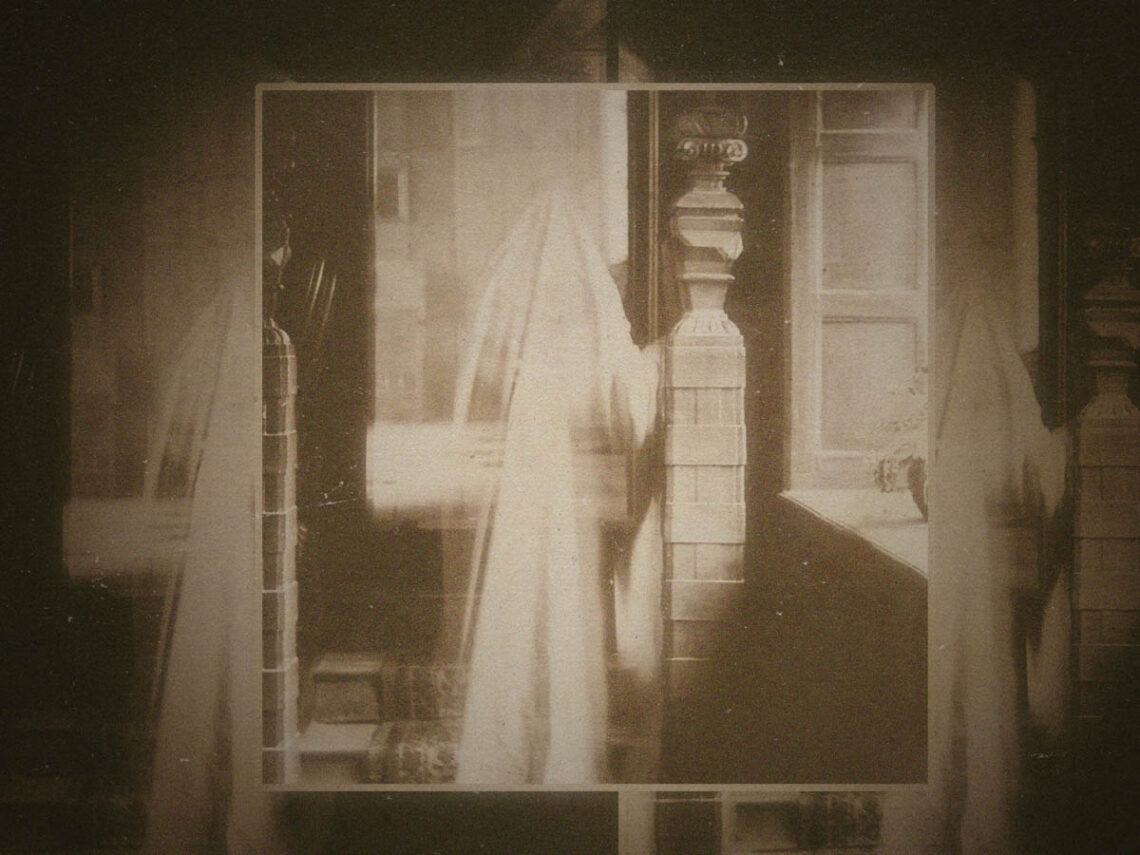
Haunting the narrative: What was the world’s first-ever ghost story?
For as long as people have known death, we’ve known ghosts.
At this point, to call ghosts a fictional concept kind of sells it short. Sure, ghosts aren’t “real” in the sense that some might want them to be (your humble writer is a hundred per cent included in that statement), but they are so much more than a story. They’re a testament to how death is never the end of the people who mean the most to us, for better or for worse. Their memory carries on. A source of support and guidance at best, and one of fear and judgement at worst.
Those feelings are ones that go far beyond mere stories. Think of all the times you’ve done something for no other reason than it would have been what someone who has passed on would want. Think of all the times you’ve had that warm feeling that comes with achieving something that would make a departed loved one proud. Or the opposite, when you’ve felt the judgement of someone no longer with us. When the actions of someone who has passed the mortal coil just won’t leave your memories, no matter how hard you try.
Those feelings are what we’re talking about when we talk about ghosts. So it makes sense that the first ghost story is also pretty much the first story. One not published on paper or even passed from person to person in the aural tradition. No, this is a story that is so old it was literally carved into stone in a language long dead.
So, what was the first ghost story?
Written somewhere between 2100 and 1200 BCE in ancient Mesopotamia (modern-day Iraq), the Epic of Gilgamesh is far from the kind of story that can be covered in a mere article. Entire tomes have been devoted to uncovering its secrets, but at its core, it’s the mythological life story of the Mesopotamian king of the same name.
Given the sheer amount of supernatural goings on in the story, including Gilgamesh fighting and killing multiple Gods with the help of his comrade/lover Enkidu, one can reason that this isn’t exactly a strict history of the man’s life.
Yet, this fictionalisation is exactly what has made this story stand the test of thousands of years. Most of all, a deeply moving part of the story is after the death of Enkidu. When Gilgamesh is at his lowest, the spirit of his love appears to him and, essentially, writes a script followed by countless ghost stories ever since. He tells Gilgamesh to finish the work he spent his life trying to fulfil, warning of terrible consequences for spirits who remain unfulfilled or forgotten.
Gilgamesh resolves to finish the work Enkidu began in life, and help the love of his life find peace. Over 3,000 years later, and we’re still writing stories about doing right by the dead. Not only are we still telling stories about being visited by spirits of the dead, but we’re also still following the basic beats of stories set down thousands of years ago.
If that’s not a testament to the eternal power of the ghost story, I don’t know what is.