


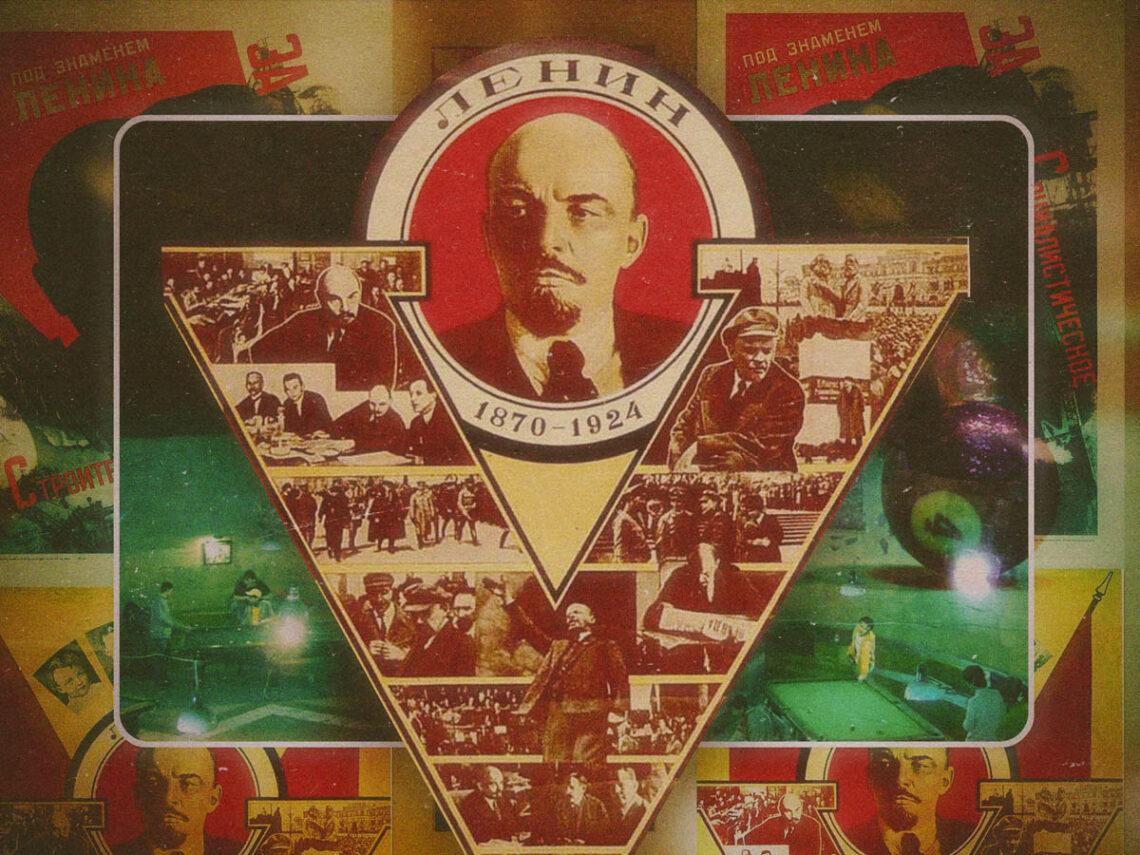
Why a Mongolian monument to Vladimir Lenin was briefly a pool hall in the 2000s
The humble pool hall, as we all saw in movies like Marty Supreme, has been host to a wide variety of shady characters indulging in even shadier schemes.
It’s a destination of hustlers and hucksters, where anyone challenging you to a game might just be pretending not to know which end you hit the balls with until you’ve just upped the ante to double or quits. Is there even such a thing as a pool hall that is used purely as a space for sportsmanship and gamesmanship purposes, with no one taking anyone for a ride and playing just for the love of the game?
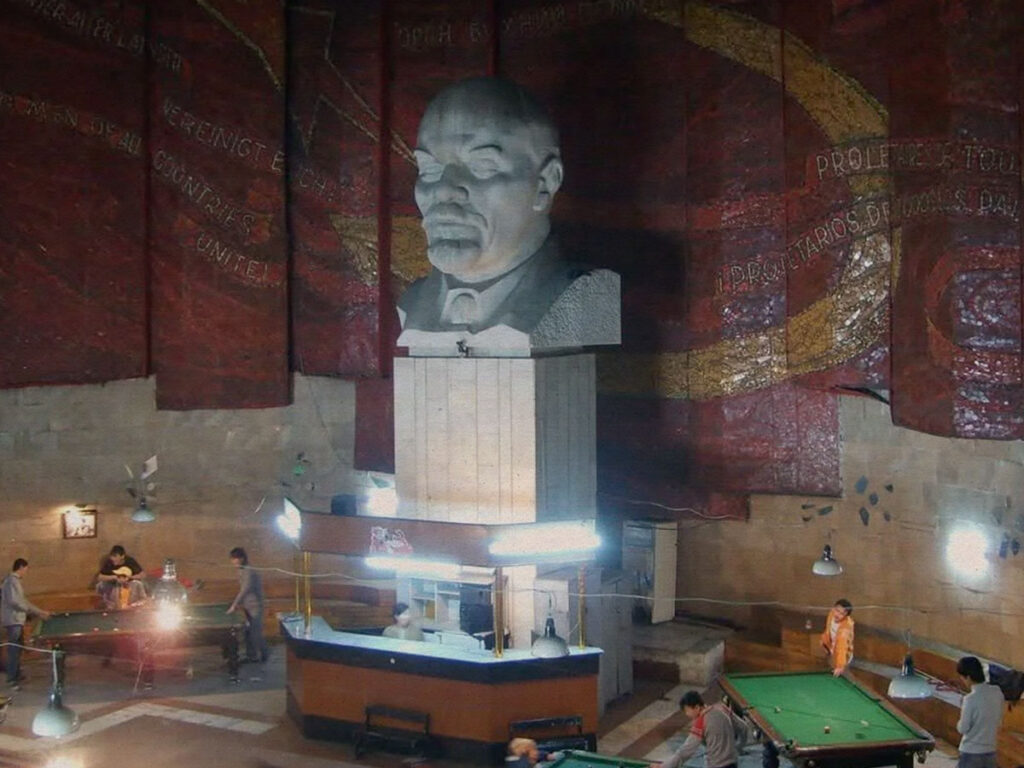
Perhaps a reminder on the walls of some kind could tell patrons to remember why they are there? Or, how about an enormous stone bust of Vladimir Lenin leering imposingly from the main wall like God’s own moustachioed umpire, looking into your very soul and making sure that you let your opponent know exactly how good you are at pool before you get started?
This seemed to be the idea put forth in Ulaanbaatar, Mongolia, in the mid-2000s. It got a makeover that the man it was honouring would have been very confused about, but it wasn’t the way you’re thinking of. Bafflingly enough, it wasn’t a pool hall that got upgraded with the visage of Big Vlad himself, but the other way around.
You see, Mongolia has a recent history that is shaped by Soviet Communism. From 1924 to 1992, it was the world’s second Communist state and the first Soviet satellite state. In 1991, the idea of being a country in thrall to Soviet Communism suddenly became incredibly uncool. So uncool, in fact, that the very state that gave that brand of communism its name suddenly shrugged it off.
Not wanting to be the last kid in school still playing with Beyblades when everyone else had moved on to Yu-Gi-Oh Cards, Mongolia started a protracted period of de-Sovietizing itself, which included one of the major landmarks of the city, its Lenin museum. The problem was that the building and its contents were still pretty incredible, so rather than just close it while they thought of what to do next, they instead rejigged what it was actually used for.
Thus, you got a truly bizarre couple of years where it was used as a billiards hall. Most of the exhibits were removed in favour of a number of pool tables, but some were too cumbersome to move, like the enormous bust of Vladimir Ilyich that stood as the centrepiece of the whole museum. Sadly, it was only like that for a few years before the museum was changed into another, slightly more hopeful kind of museum.
Today, the same building houses the Mongolian National Museum of Natural Sciences, reflecting the rich natural history of the country, something it can actually be proud of, which is a much better idea when you think about it.