


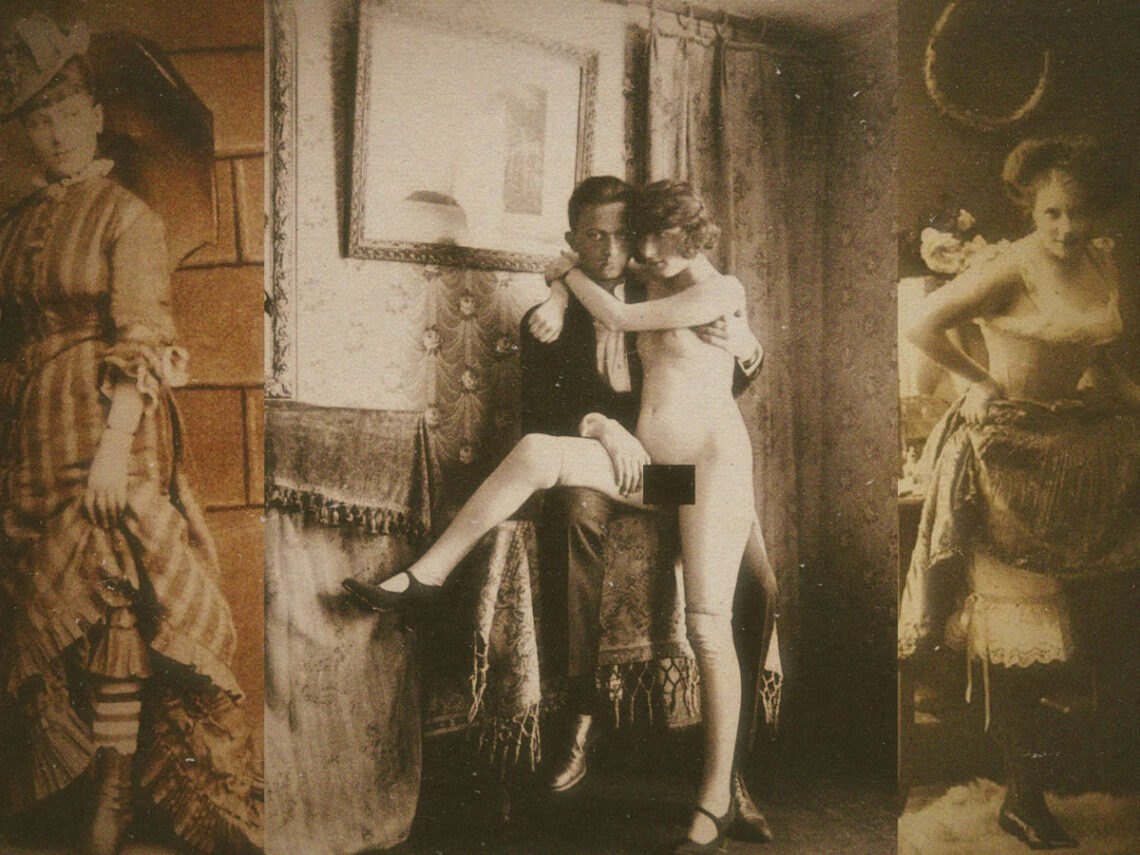
Winchester Geese: the corrupted heart of 1100s London
We citizens of London like to crow about the history of our city and, to be fair to ourselves, we absolutely should.
This is a city founded in 47 AD, and there’s reason to believe that there were settlers living on the banks of what we would now call the River Thames long before that. London laid down a blueprint that most major cities in the world try to follow, but what’s just as interesting are the lives of the regular people who have lived here for literal centuries. Whether they make it in history or not, each life is worth analysing and remembering.
Even if, and in some cases especially if, they show that life in London hasn’t always been a pleasure cruise. In fact, quite the opposite. Anywhere that there are centuries of human history, you can find countless stories of people being abused by systems of power, and London is no different. To the extent that the story of the Winchester Geese is one that you’d have to look pretty hard for, despite the fact that a monument to them still stands in the centre of London to this day.
So, what are the Winchester Geese, and why are they called that? Well, first things first, it’s not literal in either case. The Winchester Geese were women of London, more specifically in the Southwark area. In the 1100s, the area was under the so-called “Liberty” (or jurisdiction as we call it today) of the landowner, the Bishop of Winchester. Ironically enough, this was at a time when the area had a reputation for being somewhat lawless,
This was an area of loose morals. Of theatres, alehouses and most of all, brothels. Lots of them. One might think that this was enough for the sex workers of that area to be called “Winchester Geese”, but their connection went deeper than that.
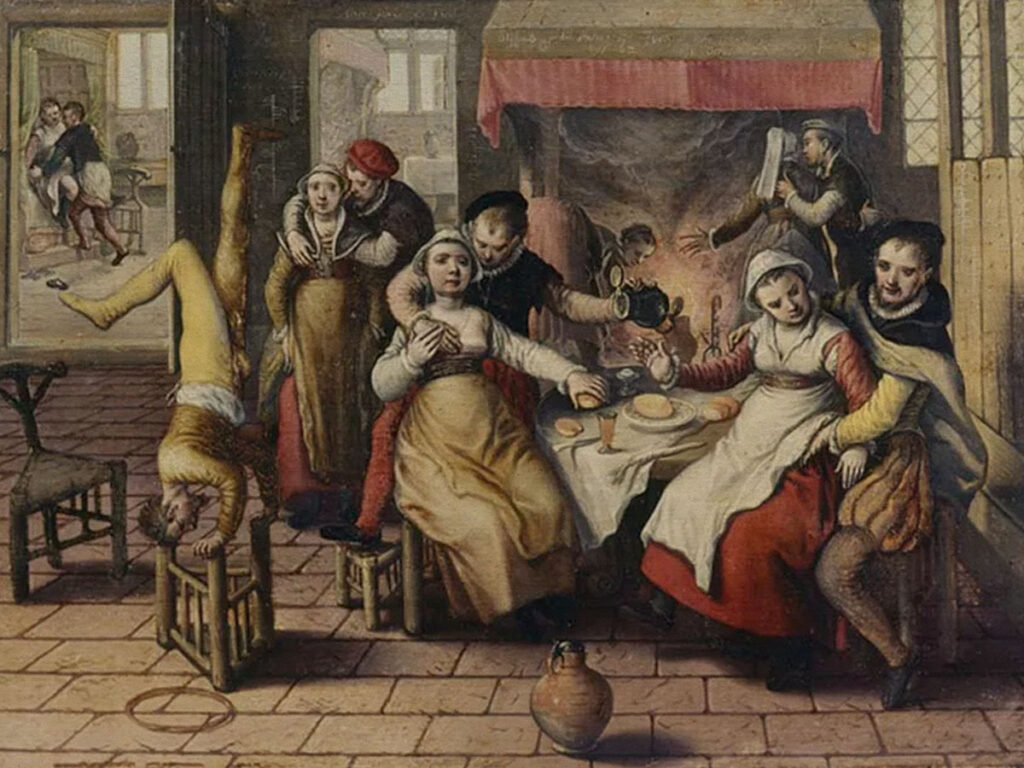
Why were these London sex workers called “Winchester Geese”?
The truth is that these brothels were actually licensed by the Bishop of Winchester, whose office allowed them to operate in the area in exchange for a tithe from their profits, and if this sounds like a healthy working relationship, it absolutely wasn’t – the women who worked these brothels were never protected by the Bishop’s guards; in fact, often the opposite, the hours they could work were strictly enforced, with a moratorium on working on holy days or days that parliament was in session.
The rules that these women faced were, obviously, harshly enforced. If they were broken or if it just looked like there were to anyone with the slightest degree of power, the fines were severe, and the physical punishments were even worse. Despite all that, these brothels made so much money for the diocese that the nickname for these women became Winchester Geese for their connection to the Bishop. Getting a venereal disease from them was even called “being bitten by a Winchester Goose”.
No matter how much the whole diocese ran on the money made from these women, they were still looked down on as barely second-class citizens. They were still sinners in the eyes of the very bishop who ran on their trade, and thus, their bodies were thrown into a pauper’s grave in Southwark without absolution. One that continued to be used as an unmarked grave for commonfolk until the 1800s, where the site was overflowing so badly that it had to be closed.
It has since been excavated and reopened as the Cross Bones Graveyard and is open today as a memorial site for the Winchester Geese. A sign that sometimes, the people who’ve really suffered in London do get their deserved remembrance.