


The Hakamata Incident: How the world’s longest-serving death row inmate got acquitted in 2024
You’d think we’d moved beyond discussions of the death penalty by now, wouldn’t you?
After all, the evidence is all there to show what a terrible idea it is. It’s not even that people can’t ever deserve to die. Loads of people do. Some are even people you’ve heard of! It’s more that the responsibility of ever putting someone to death that can be held by anyone, much less a state. The moment you give a state the power to kill with impunity, it will be used to deal with people who disagree with it long before anyone who actually deserves it.
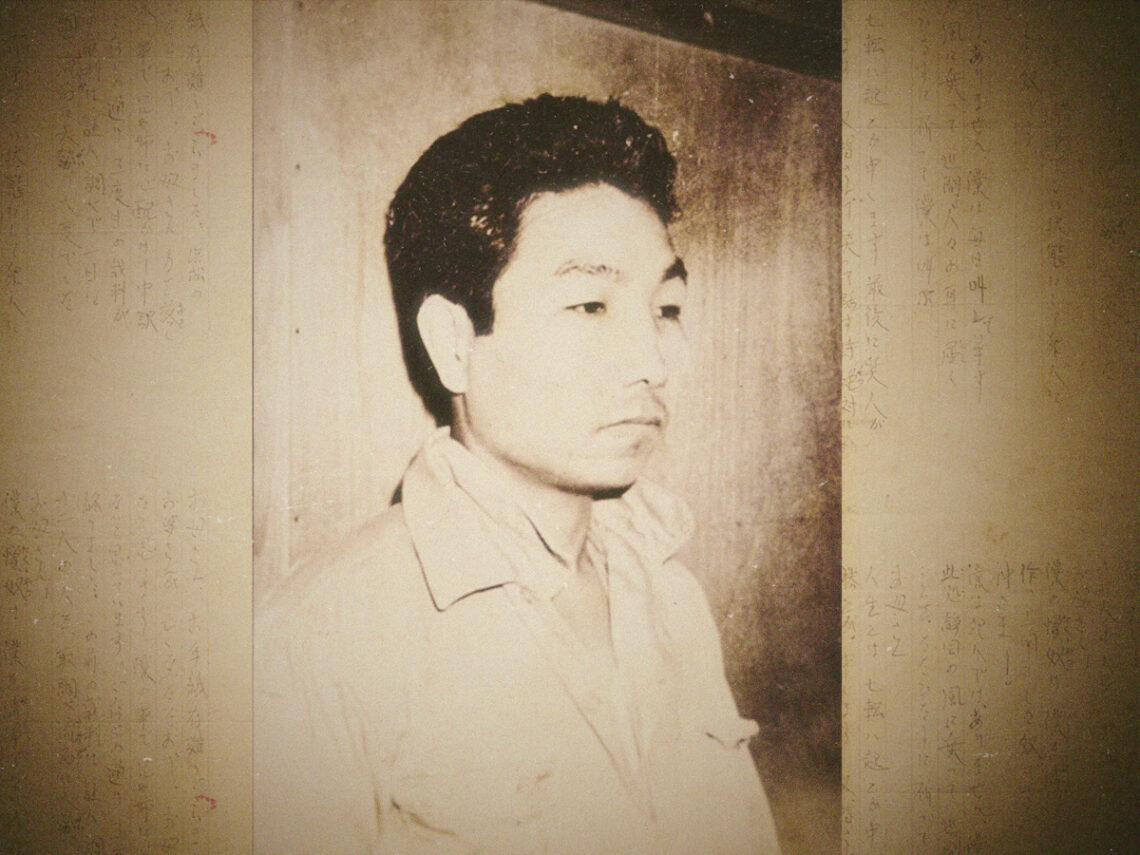
Then you get the fact that the court system is fundamentally flawed, and sentences are handed out to innocent people all the time. People like Iwao Hakamata, a walking, talking argument for how lives can be ruined by the death penalty even if they’re not taken by it. Born in Shizuoka, Japan, in March 1936, Hakamada was a boxer, and a very, very good one at that. At his peak, he was ranked 6th in the country in his weight class and ended his career with a respectable 16–11–2 record.
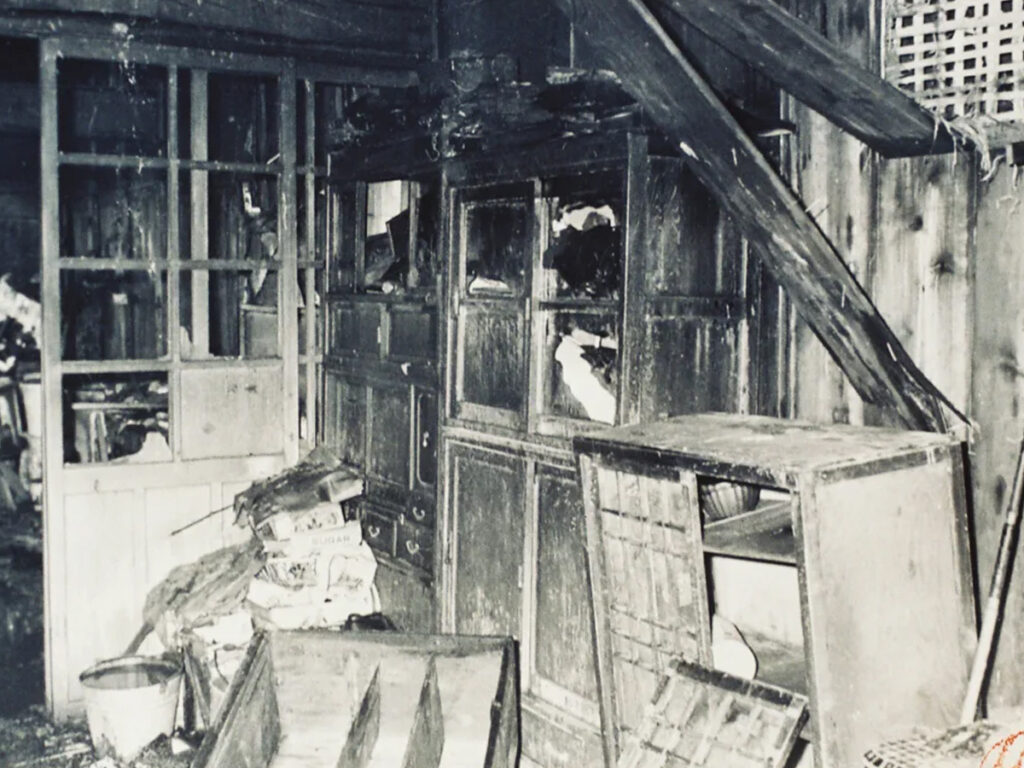
After he retired from boxing, he took a job in his home prefecture of Shizuoka at a miso manufacturing plant when his life changed forever on June 30th, 1966 – the home of one of his bosses was set alight, and Hakamada was found on the premises trying to put out the fire, but further investigation found his boss had been stabbed to death along with his entire family. Hakamata was arrested for murder, arson and the theft of ¥200,000 from the premises. After 23 days, he confessed to the murder, and that seemed to be that.
Except it wasn’t. Not by a long shot. Hakamaa retracted his confession during the trial and stated that he’d only made the confession because it had essentially been tortured out of him.
Was Hakamata innocent?
Hakamata told the court that for those 23 days, he’d been “interrogated” for 16 hours every single day, without water or toilet breaks, he’d been abused and beaten for that whole time, with the only way of ending that nightmare being to sign a confession – once at trial, he changed his plea to not guilty, at which point, a set of clothes was conveniently found at the miso factory that Hakamata worked in. It didn’t matter that there was no record that he owned them. It didn’t matter that they didn’t fit him. The prosecution was determined to make an example of him, and so, they did.
The holes in the case went further. The murder weapon they accused Hakamata of using could never have made the amount of incisions that were found on the victim’s bodies without breaking. The “blood stains” on the clothes found in the miso tank were obviously not blood. However, no other culprit could be found, and Hakamata was found guilty. He was sentenced to death shortly afterwards, but then, the strangest thing happened.
The poor man was never actually put to death. This was because Japan’s Minister of Justice couldn’t bring himself to sign the death warrant. The case that was putting a man to death was flimsy at best and outright corrupt at worst. Thus, Hakamata lived on death row for the next 47 years. The sentence was too severe to overturn, but the case was too slight to stand – to make matters (somehow) even worse, death row inmates in Japan live in solitary confinement, so 30 of those years, Hakamata spent alone in an empty cell, unable to talk to anyone, at which point, death might actually be the preferable option.
It took decades, but thanks to the tireless efforts of his family and legions of supporters from all over the world, eventually his conviction was overturned, but by then, Hakamata was pushing 90, and his sanity had long gone after years spent alone with his thoughts.
Proof, as if it was needed, that the death penalty doesn’t even need to be effective to destroy lives.