


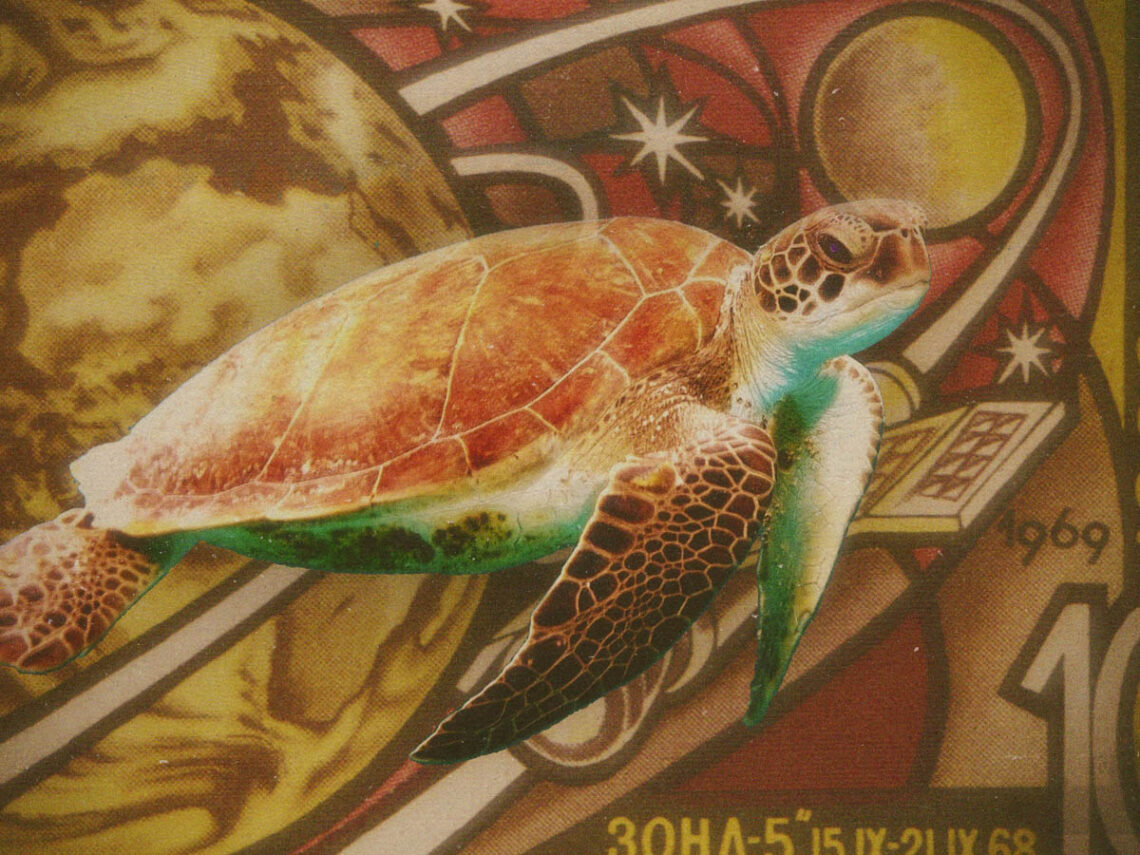
Zond 5: the first tortoises in space
At the time of writing, all of us are looking up. After all, absolutely everything on Terra at the moment makes us want to jump in front of a bus, save for The Pitt‘s season finale, but in the world of science, we’ve got the space exploration of Artemis II going for us.
The first manned expedition beyond low Earth orbit since 1972 is a truly beautiful thing. Something that all of us can agree on, which is vanishingly rare these days. It’s seemingly working as a worldwide pick-me-up. A bunch of intelligent, diverse, charismatic folks showing just what humans are capable of when we put our heads together and work towards a common goal. Which, in and of itself, makes the whole thing a little less grody than the original space race of the 1950s and 1960s
People were shot into space in those decades, not out of a desire to show just what humanity could do, but what individual countries could do. More specifically, what they could do that other countries couldn’t. The space race, for lack of a more delicate way of putting it, was a dick-measuring contest, there’s no real way of denying it. The United States and the Soviet Union dropping their trousers and seeing whose rocket was bigger and could fly higher.
Thus, those early missions into space saw some truly bizarre feats pulled out of the sheer desperation both space agencies had to get one over on the other. Many of them come from the Soviet side of the equation, and fair play to them, these projects did mean that they have the ultimate bragging rights of putting a man in space first in the form of Yuri Gagarin in 1961. However, seven years later, they sent up something a whole lot stranger.
In 1968, as part of the Zond 5 mission, they sent tortoises up to orbit the moon.
Why did Russia send Tortoises to the moon?!
It sounds like a ludicrous way of stunting on the pesky Yanks, doesn’t it? “Ha-ha, we sent tortoises to the moon before you sent humans lol!” However, there did seem to be genuine reasons for sending the poor beasts up there that weren’t just bragging rights. The Zond program (named for the Russian word for “probe”) was the Soviet unmanned space travel program, where they would send craft up into space to gather data to be studied back home.
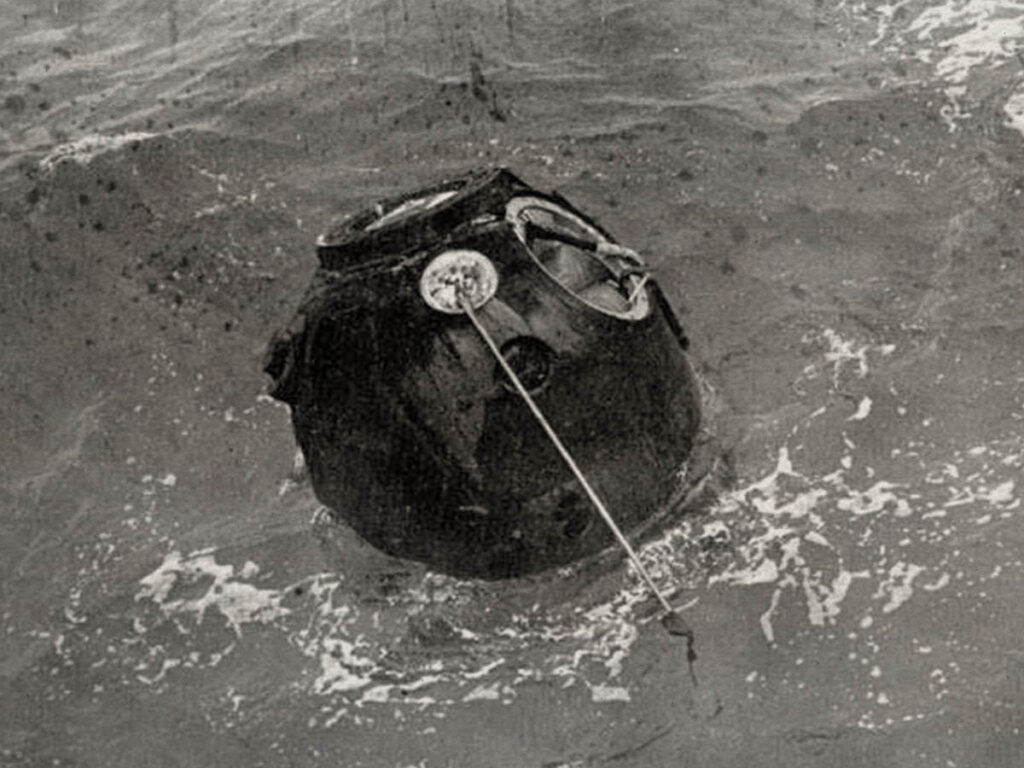
Zond 5 was the Soviets studying the effect space travel would have on living organisms, so in essence, they sent up a greenhouse. Accompanying the two tortoises on their trip (they were never named, unfortunately) were fruit fly eggs; cells of wheat, barley, pea, pine, carrots and tomatoes; specimens of the wildflower species Tradescantia paludosa; three strains of the single-celled green algae Chlorella; and one strain of lysogenic bacteria. The living things were sent up to see whether anything could survive the effects of cosmic radiation, and they passed the test with flying colours.
The tortoises arrived back home safely, the only differences pre- and post flight was a noted loss of weight, though that was probably due to their new surroundings making them uncomfortable eating more than anything else. Unfortunately, the poor creatures had to be dissected by the time they arrived back home, but there’s still some pride to be found in the fact that to this day, the organisms that have been the furthest away from Earth are those two tortoises.
Artemis II? You’ve got a hell of a bar to clear.