


Adult Animation: When did cartoons grow up?
The stereotype of cartoons being for kids is actually pretty recent.
Like most of the things rotting our very culture from the inside out, you can find the source of this in the cursed decade of the 1980s. The loosening of advertising laws by the Ronald Reagan administration meant that children’s television became a parade of animated toy commercials meant to sell stuff to kids and very little else. While animation had been a (broadly speaking) respected medium aimed at families before then, this was the time when the reputation of animation, at least in the West, changed forever.
Before, it was a medium for all ages, the kind that the whole family could enjoy. Sure, there were cartoons aimed at kids, but the likes of Looney Tunes et al were often played at cinemas for all to see. Then the 1980s happened. Suddenly, cartoons were cheap tat farted out by toy companies for a captive audience of brainless consumers who want nothing more than new action figures. It wouldn’t be for another decade that the Disney Renaissance would establish animation as a respected medium again, but even so, the damage had been done.
Animation has long since been relegated to the “kids stuff” ghetto since then. Since Beauty and the Beast got a shock nomination for ‘Best Picture’ at the Academy Awards in 1991, precisely two animated movies have been nominated in the same category in the 34 years since. Up in 2009 and Toy Story 3 the following year. What makes this even stranger is that animation had “grown up”, as it were, long before this. Long before even The Simpsons became the biggest show on television in the early 1990s.
In fact, the first cartoon for adults came nearly 30 years before The Simpsons, with another animated sitcom that took the world by storm.
So, what were the first cartoons aimed at adults?
It might sound strange to hear today, but The Flintstones were revolutionary in their day.
From their first airing in 1960, the idea behind Bedrock’s finest was to create an animated version of the sitcoms that colonised TV stations and racked up millions and millions of viewers the decade previously. It wasn’t family entertainment in the sense that it was for kids and parents wouldn’t suffer through it (much), it was essentially the other way around. The storylines and a lot of the dialogue were things that adults could relate to, while the animation was fun enough to keep the kids interested.
You can see this if you go back and watch the early episodes of the show. It’s not exactly Severance but the early episodes of The Flintstones are about the day-to-day life of an average family. Midlife crisis, union disputes, keeping a marriage alive after 15 years and two small kids. Sure, there were sight gags involving animated pelicans doing jobs that animated pelicans normally wouldn’t, but it was built on the same foundations as any other TV family of the time. Yet still, this was a world accessible to kids. It wouldn’t be until the early 1970s that you’d get an animated project which wasn’t.
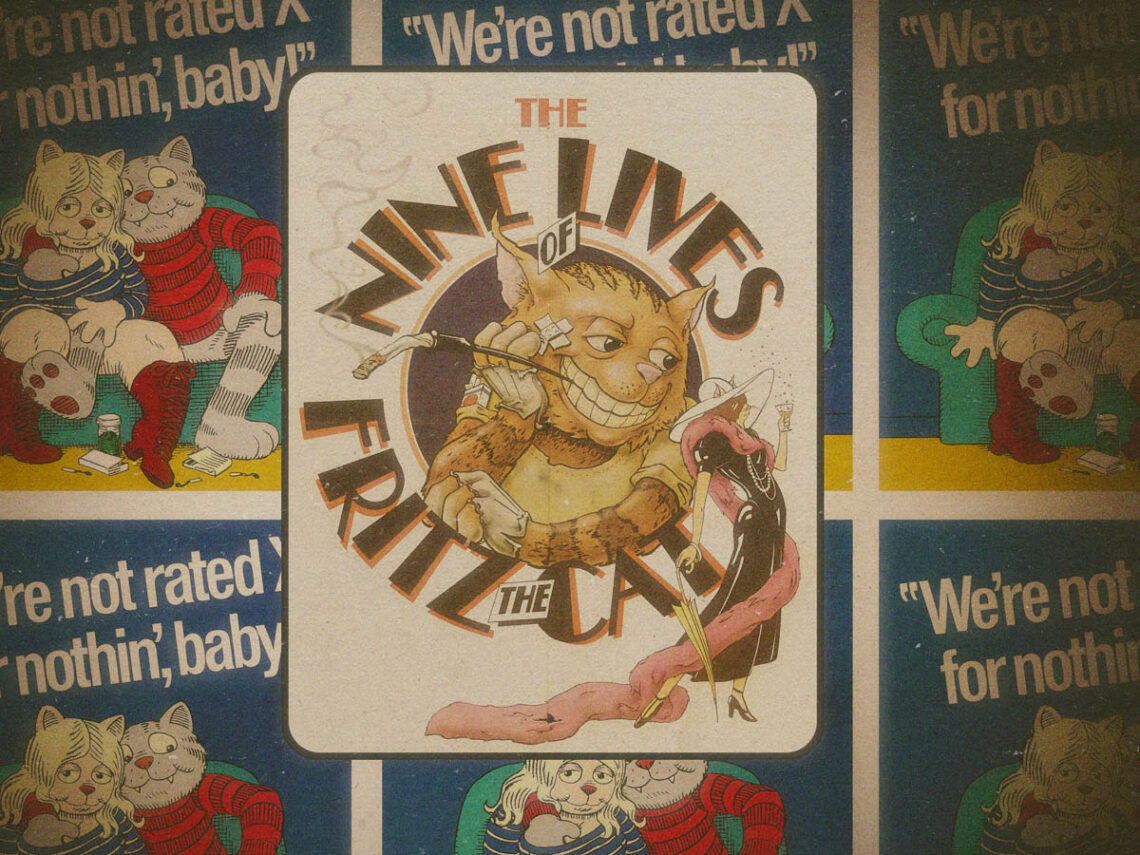
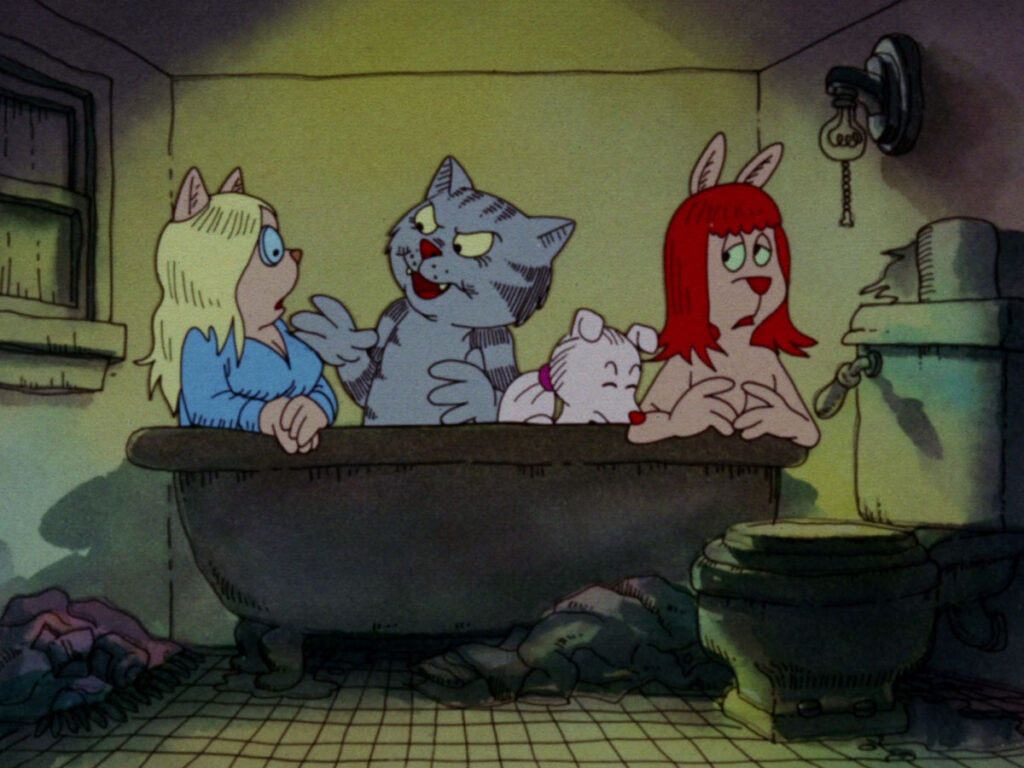
By the late 1960s, there had been a thriving world of underground comics for adults going on for years that was just about peaking its bleary, hungover eyes into the mainstream world. In 1969, director Ralph Bakshi picked up a copy of one of these comics, called Fritz the Cat, and knew he’d found the basis of his next film. The only issue was getting anyone to sign off on an X-rated animated film. One that featured a laundry list of things you’d struggle to get into any film at the time. Explicit sex, drug-taking, endless profanity, you name it, it’s there. Yet somehow, Bakshi’s vision won out.
Fritz the Cat was released in 1972 and was a box office phenomenon, becoming one of the highest-grossing X-rated pictures of its day and proving that there was a thriving, adult audience for animated entertainment.