


‘DAU’: the immersive movie project that rebuilt Soviet Russia
The Dau Project reads like a pitch for a film itself, yet it’s the God’s honest truth.
In 2008, something was happening on the outskirts of Kharkiv, in Ukraine. Reports of a set overseen by a young, hotshot Russian film director that was becoming something entirely different to any other motion picture ever attempted. Not in a good way either.
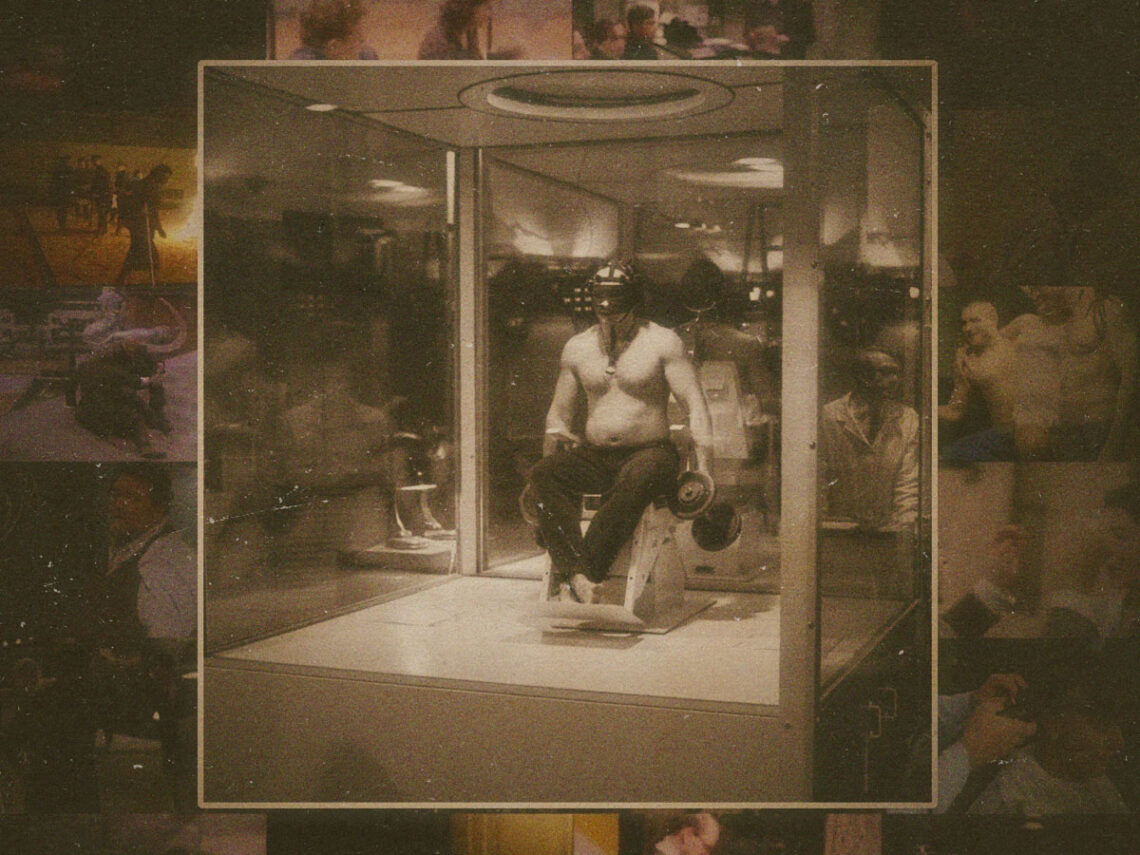
The director was forcing a crew of hundreds of people, on and off camera, to live entirely as if they were in Stalin’s Russia. Everyone, from the director downwards, was dressed in Soviet-era clothes. They were eating Soviet-era food rations. Being paid in Soviet-era currency that could only be used in fully functioning shops on set.
The most bizarre aspect of this is that at any point, everyone had to be in character. There was going to be absolutely no mention of anything happening in the real world and no discussion with anyone who was operating outside of this little universe they were creating. Put yourself in the position of someone working in film in the early 2010s. If you heard these rumours, would you give them much credence? The stories were obviously eye-opening, but what would happen if you dug a little deeper?
The further you looked, the more this looked like a publicity stunt. Nothing had been announced by any reliable trade magazine, no Russian film outlet was covering this, and no actors were posting on social media about the seemingly hellish days they were having on set.
Then, the most baffling thing happened. The movie they were making was announced. Then another. Then another. Then more and more. The director, Ilya Khrzhanovsky, had initially put this in place in 2008 to shoot one movie.
Over the next three years, they shot 12, and were releasing them all at the same time.
What on earth was the DAU project?
The original idea that Khrzhanovsky had was a biopic based around the life and times of the Nobel Prize-winning scientist Lev Landau, whose nickname was going to be the title of the movie, Dau. Then, Khrzhanovsky had an idea.
Since Landau’s life and career were lived under the scrutiny of Stalin’s Russia, the film would be made under similar circumstances. An entire town was built to resemble Landau’s home town, and everyone in it, save for the actors playing Landau and his family, operated under their real names and had a job to do with that town.
After that, the cameras were turned on, and everyone was told to improvise their parts. The footage that Khrzhanovsky shot was so convincing as a result that after all the scenes he’d planned for the core movie of Landau’s life were shot, Khrzhanovsky kept rolling. Partly just to capture this insane universe he’d built for himself and partly because he saw the opportunity to do something genuinely new. With this nearly one-to-one replica of a town in Stalin’s Russia, Khrzhanovsky had created a way of depicting a form of real life.
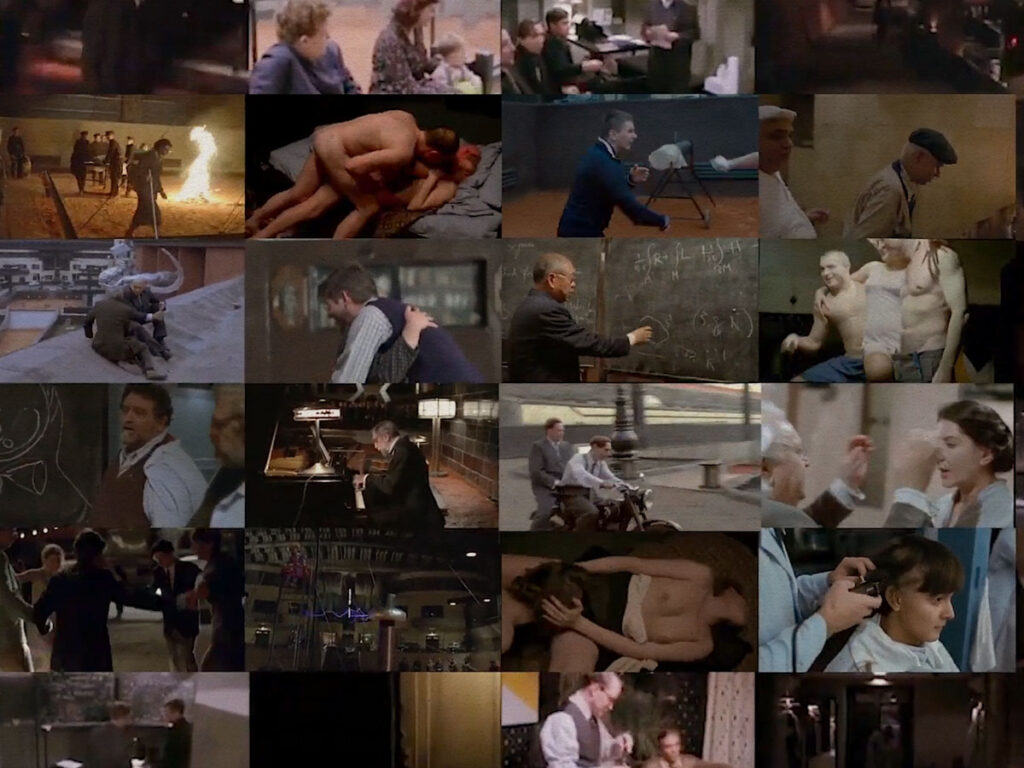
Thus, if he kept the cameras running long enough, he could depict and capture the way that life changes as well. So, he did. Keeping the set alive, the way life changed from the 1930s to the 1960s over three uninterrupted years with barely any breaks. What he was left with was 700 hours of usable footage, which were cut into 12 films. All of which premiered in the same evening as a marathon in 2019, in a similarly immersive premiere in Paris held between three theatres which one could not buy tickets, but applied for a Visa to.
Honestly, this just scratches the surface of the absolutely bonkers story of DAU, so if this has captured your interest, prepare to throw yourself down the mother of all rabbit holes. One that just gets stranger the further down you get. Perhaps then, you’ll be able to empathise with the poor actors who signed on for a single film, then ended up putting their careers on hold for three years to live in Stalin’s Russia.
At least the films are good, eh?