


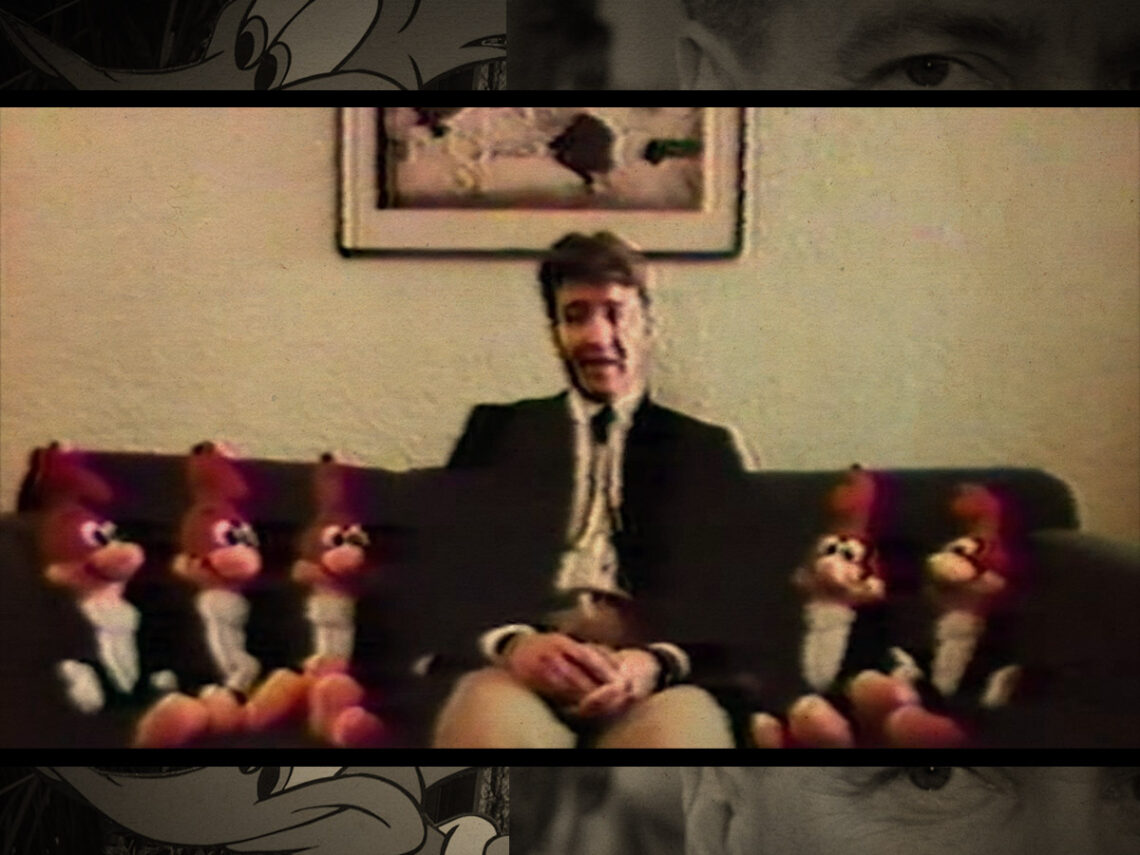
The five Woody Woodpecker dolls that were David Lynch’s best friends
Say what you like about David Lynch and his surreal, dream-like movies, but the man lived the gimmick.
There is no shortage of things to say about the auteur. For every five people saying that he’s a total screaming genius whose movies hold up a mirror to the dark side of modern culture that’s only slightly more distorted than you’d think, there are several others who are a lot less forgiving. Even speaking as a pretty die-hard David Lynch fan, there are moments when I have to accept they may have somewhat of a point.
Sometimes his works can be a little more than a bunch of weird things strung together to look weird, or use the abuse of women as a storytelling crutch, and are also whiter than a bukkaked snowman, a problem that haunts even his masterpieces like Mulholland Drive. Yet the one thing you can’t say about his work, for better or worse, is that it’s a pose.
Lynch really was that strange and unique in real life. Few things prove this quite like his five best friends from the start of his career. Five pals of his that stayed with him through his rise to prominence, whom he met at a petrol station in 1981. The kind that might look a little silly on the surface, but, as he assured us in a trailer he made for Eraserhead in 1982, they “aren’t just a bunch of goofballs, they know that there is plenty of suffering in the world”.
The kind of words any of us might say about our stranger friends, except these friends weren’t human. They were five identical Woody Woodpecker dolls.
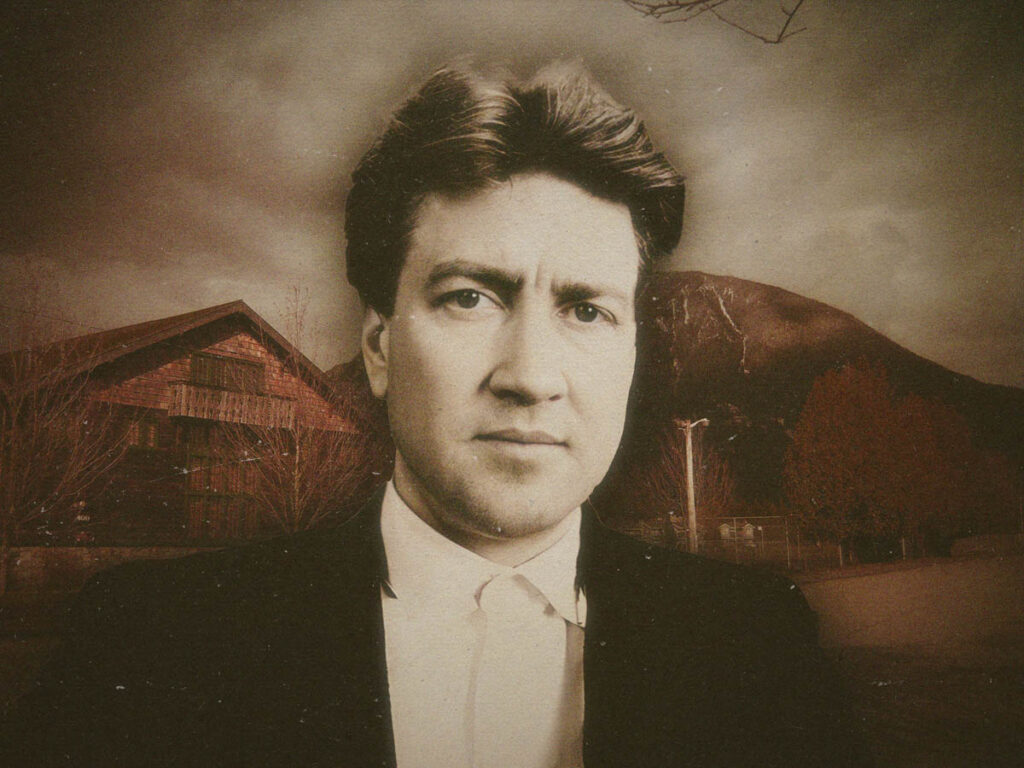
Lynch did genuinely “meet” them in 1981, which does make the whole “meeting them at a gas station” part of the story slightly more plausible (if any part of this can be considered plausible). In a 2017 interview with The Telegraph, he went deeper into how they met and precisely what they meant to him, saying that he’d seen them in the gas station, went to leave, but then just after pulling away from the station, “I screech on the brakes, I do a U-turn, go back, and I buy them, and I save their lives. I named them Chucko, Buster, Pete, Bob and Dan, and they were my boys, and they were in my office.”
Back in the Eraserhead trailer, clearly made when their relationship was at its peak, he said that the dolls “spent many years with little iron hooks in their backs up on Sunset Boulevard. But they tell me that there’s this all-pervading happiness underneath everything, and the more time I spend with them, the more I believe it”. Which is, strangely enough, the ethos of David Lynch in a nutshell.
Whether it was the same diner on Sunset Boulevard that he went to every day for a burger and a milkshake, or old Hollywood movies or, yes, five Woody Woodpecker dolls, David Lynch believed in few things more than he believed in everyday Americana.
He believed in the hope and simple joy that they brought millions, but unlike the majority of those millions, he didn’t shy away from the equally simple fact that Americana, and American culture as a whole, has a dark side. That’s what pictures like Blue Velvet are wrestling with, the fact that the dream of a white picket fence, all-American suburbia still appeals to him despite having a pronounced dark side. One that not even his five best friends are immune to.
Tragically, Lynch’s friendship with his boys has a dark ending. In the Telegraph article, he said, “They were my dear friends for a while, but certain traits started coming out, and they became not so nice… They are not in my life anymore.”
Yes, you can look at Lynch’s movies and say that they’re confusing, or pretentious, or anything you want. The one thing you can’t say is that they were an act. He really was just like that, and we won’t see anything remotely similar for a long, long time.