‘The Monster Club’: how hand-painted animation brought a grindhouse horror classic to life
A cursory glance at modern movie discourse shows just how much people hate the special effects and computer animation of modern filmmaking.
On the surface, they have a compelling argument. Just look at recent comic book superhero movies, or the finale of Stranger Things. Both projects that have had the GPD of small continents thrown at them yet, in the cold light of day, look washed out, lifeless and fake.
It really does make you wonder where the eye-watering sums of money raised to make these works have gone for entire scenes of the biggest motion pictures around to look like a bunch of actors in busted wigs standing under a fluorescent light in front of a green screen.
Especially when, throughout motion picture history, there are incredible examples of special effects and animation made at a fraction of a percentage of the budget spent on these movies. We’ve all seen that still-unnerving clip from Sh! The Octopus of a witch’s face is changing in front of our very eyes. An effect made in 1937, achieved with nothing more than a lighting change and some heavy make-up and still convinces to this very day.
In fairness, that would have been the height of special effects technology in 1937, with all the money in Hollywood of the time thrown at making it work. So let’s look at something that could actually have been achieved on a budget. Something which the 1981 British horror film The Monster Club absolutely did not have much of. What little it did have probably went on securing the services of legendary actors Vincent Price, Britt Ekland and Donald Pleasance.
Thus, when the time came for the spooks, they had to get creative with it.
How did hand-painted animation save The Monster Club?
So, first things first, the main thrust of The Monster Club is that there is a nightclub. For monsters. With me so far? Good.
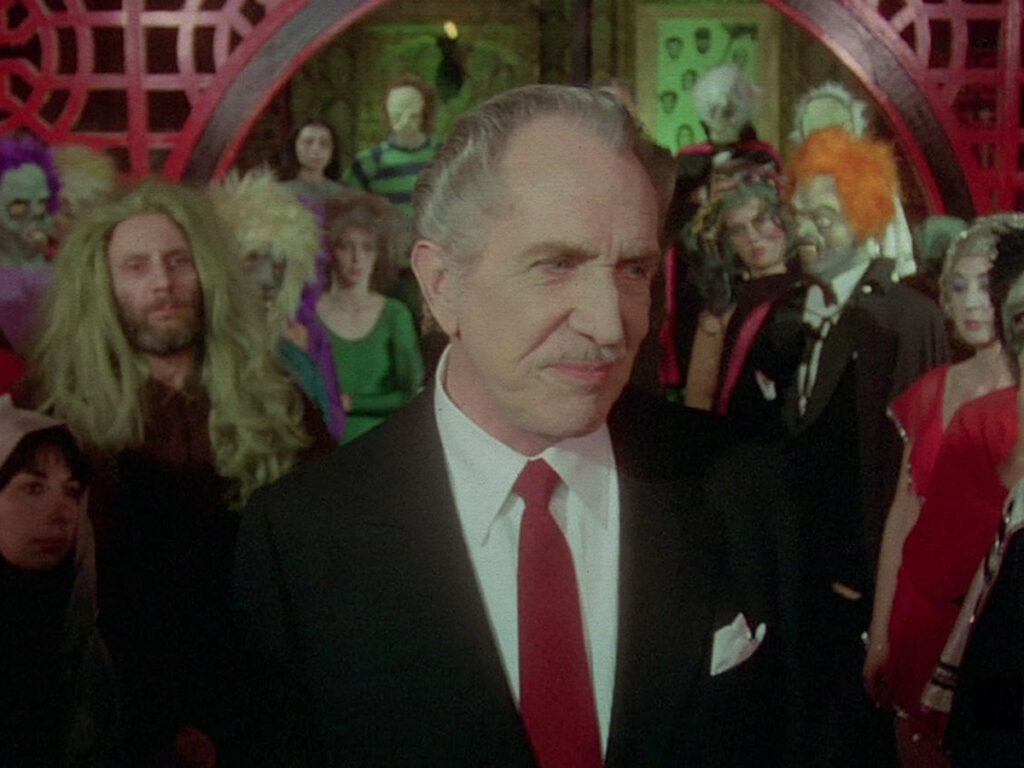
The movie concerns Vincent Price playing a starving vampire who feeds on a writer and, in return for his kindness, takes him out to the club and gives him the lowdown on all the ghouls and ghosts of England’s paranormal underworld. He tells the story of three regulars of the club that give the film its anthology structure, but what we’re really here for are the segments in between the stories.
After all, they’re the stuff going on in the club and, considering they could probably only afford big Vinnie for about three hours tops, they had to fill out the rest of the film somehow. They do so with a bunch of performers at the club, the best of the lot by a long shot being Stevie Vann’s band Night playing the song ‘The Stripper’. This song had an interlude performed by an actual burlesque dancer named Suzanna Willis, but one that went slightly further than most.
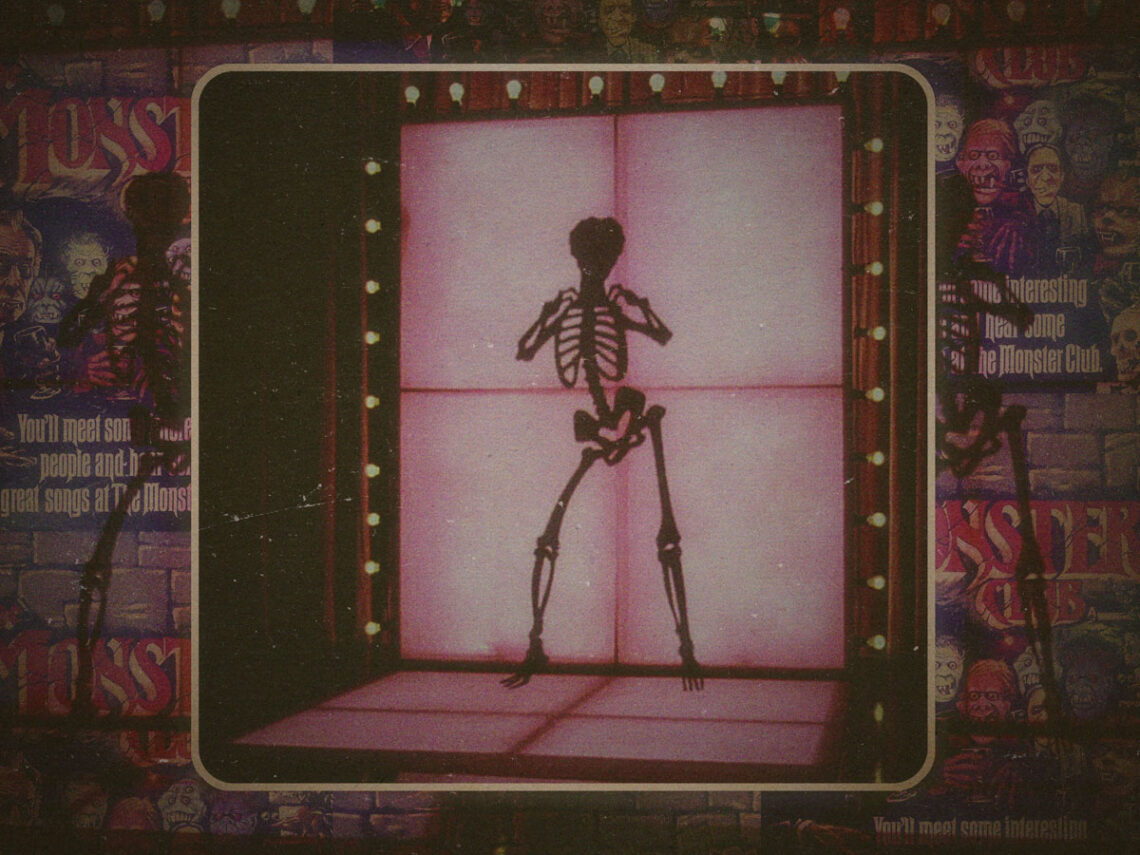
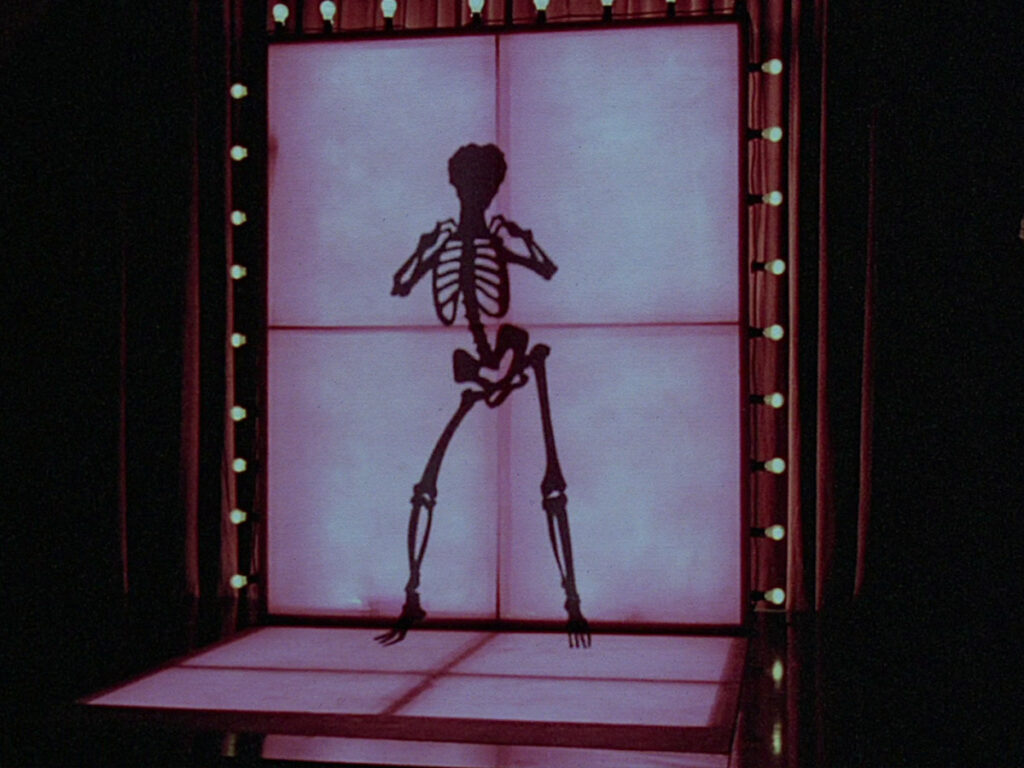
After stripping to her skivvies, Willis is suddenly thrown into shadow as she first removes her underwear. Then she starts removing her skin until she’s nothing more than a skeleton shaking what her mama gave her for a baying audience of ghouls and monsters. This was achieved by the climactic part of the dance, replacing Willis with a hand-painted animation that still creaks a little today, but has more charm in a frame than most modern productions do in entire scenes of VFX.
Now, is this really a modern problem? Obviously not, no.
Modern VFX and computer animation can be some of the most astonishing things put to screen in decades. Look at the worm riding scene in Dune: Part Two or pretty much everything on screen in Andor. However, those are productions that, like all these other pictures, knew exactly what they wanted to put on screen, and took the time and effort to make sure those specific visions were realised.
True greatness comes with time, effort and care. Money alone is not enough to make great art and never has been.