


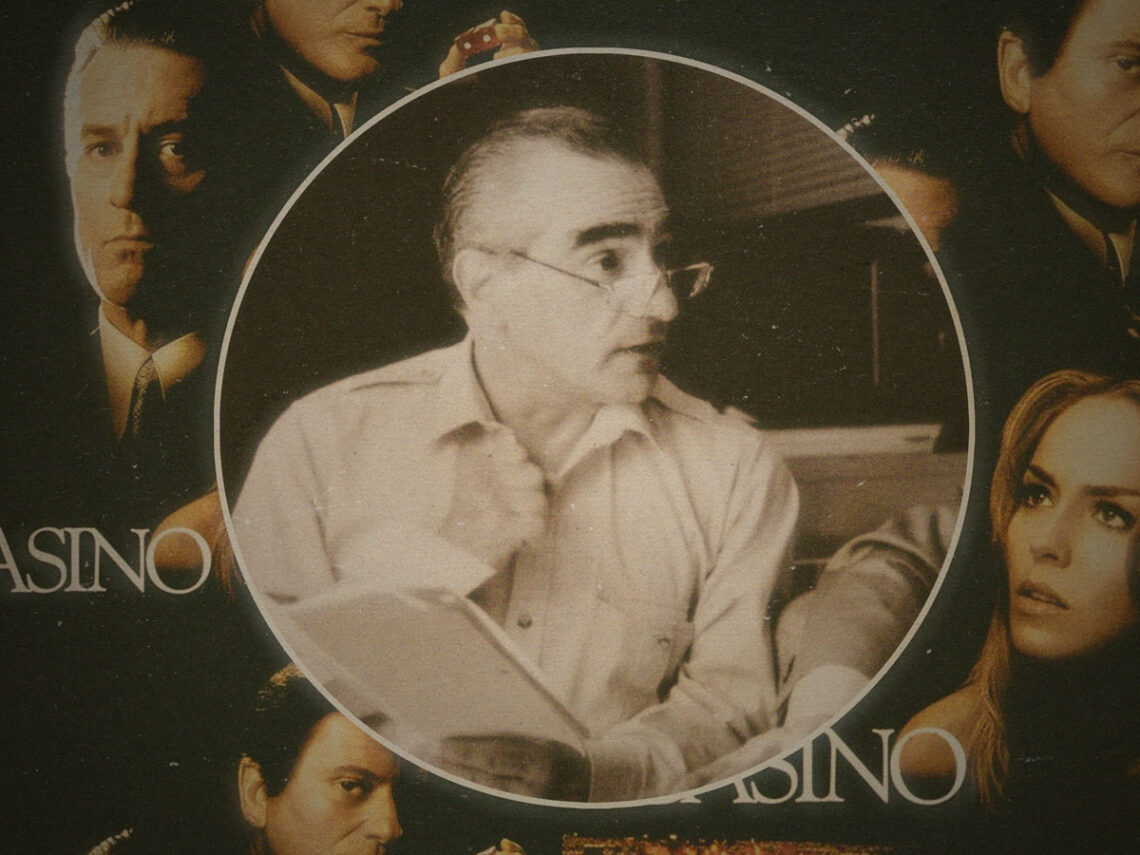
Who was the real gangster who inspired Martin Scorsese movie ‘Casino’?
Maybe one day I’ll be able to do something a tenth as well as Martin Scorsese tells a crime story.
The truly infuriating thing is that that’s selling Scorsese’s sheer skill as a filmmaker desperately short. He is so much more than a purveyor of crime dramas, just look at Shutter Island, The Last Waltz, After Hours and Killers of the Flower Moon if, for some baffling reason, you need proof of that fact. Yet it is also pretty undeniable that the run of gangster films that begins with 1990s Goodfellas and runs through to 2019s The Irishman are also some of the best in the entire genre.
One of the reasons for this is how Scorsese himself rarely lets these films fall into the genre tropes that so often cloud crime dramas. The likes of the aforementioned Goodfellas, The Wolf of Wall Street (which is absolutely a crime drama and that’s a hill I will die on), and particularly The Departed are told with an unflinching realism. These aren’t romantic gangster flicks like The Untouchables or even the glory days of noir thrillers like The Maltese Falcon.
These stories feel like real life, principally because they often are. Goodfellas was the story of real-life mafia informant Henry Hill, adapted from Wiseguy, a book written about his life by crime reporter Nicholas Pileggi. The Departed, though an adaptation of the 2002 Hong Kong masterpiece Infernal Affairs, was also based on the Boston Winter Hill Gang.
Most of all, though, is 1995’s Casino, another team-up between Scorsese and Pileggi to bring the life story of Frank ‘Lefty’ Rosenthal to life, a professional gambler who got mixed up in mafia-run Las Vegas in the 1970s.
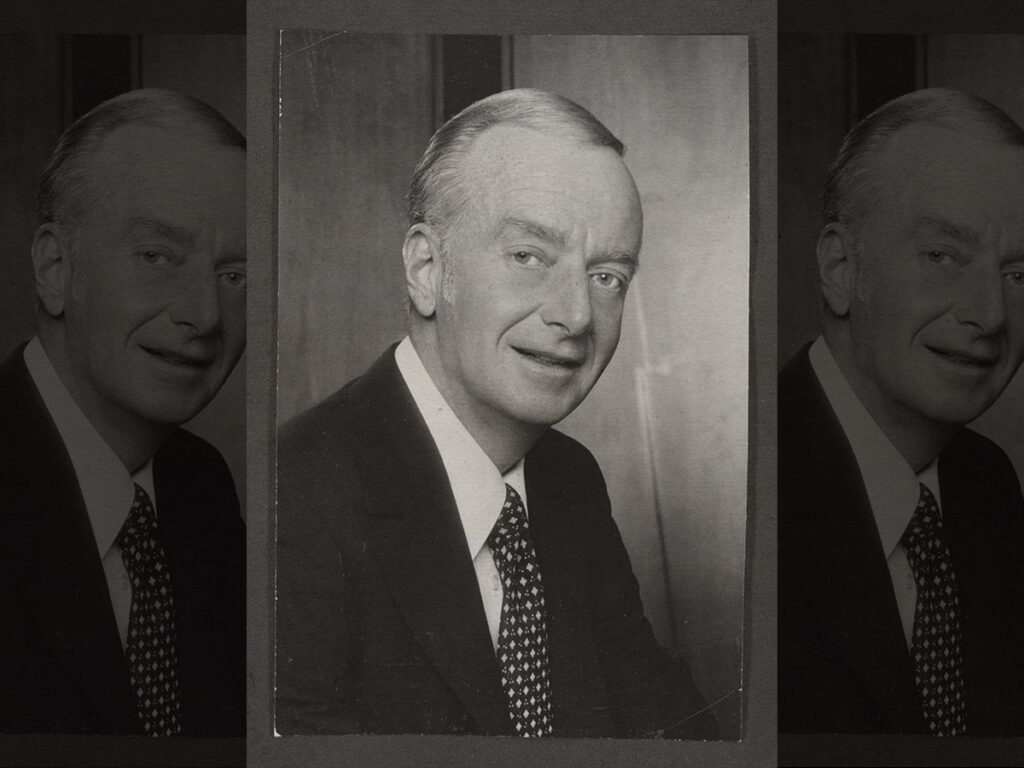
So, who inspired Scorsese to make Casino?
Frank Rosenthal was born on the west side of Chicago on June 12th, 1929.
He was never a natural student, but what he was a natural at was sports. Not playing them, but understanding them. Which at the time could get you a much more reliable paycheck than any contract with the Bulls, Bears or Cubs. Thus, Rosenthal skipped class on more than a few occasions to hang out at Wrigley Field, where he developed a sixth sense for sports betting.
I don’t want to blow your mind here, but hanging out in the sports betting scene of Chicago in the 1950s brought you close to the world of organised crime. By his mid-1920s, Rosenthal was working for the Chicago Outfit as the head of their illegal gambling ring, running the biggest in the whole United States at the time. Through this, he also began fixing sports matches on behalf of the Chicago Outfit. This involvement in more severe criminal activity brought the law’s attention, and Rosenthal, now known as Lefty, fled Chicago.
After a stint in Miami, he settled in the Mob haven of Las Vegas, Nevada, in 1968. He spent the next two decades running casinos for the mob until an assassination attempt in 1982. It was never proved that the mob was behind the attack but all signs point towards their involvement, especially considering the heat that Rosenthal’s involvement in the Vegas scene was bringing on them from law enforcement. Perhaps they also knew what was only confirmed after Rosenthal’s death in 2008.
That Rosenthal had been an FBI informant for decades. The kind of poetic ending that Scorsese himself would have been proud of.